Archaeologists in southern Italy expected to find standard family burial patterns at a Bronze Age site. Instead, they uncovered genetic proof of the oldest confirmed father-daughter incest, shedding new light on ancient social practices.
Subscribe
Ancient Civilizations
Historical Sites
3,700-Year-Old Bones Reveal the Oldest Known Case of Father-Daughter Incest

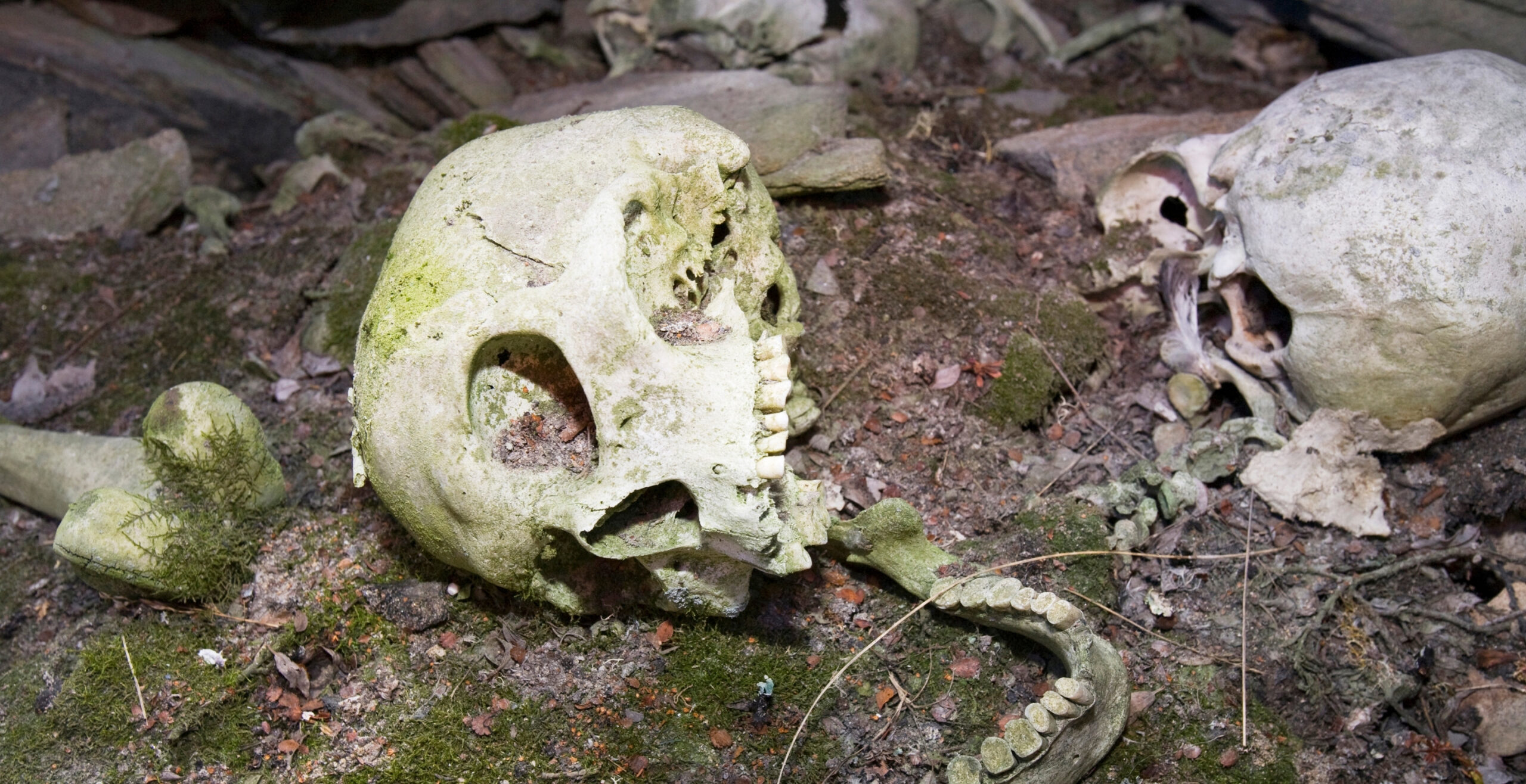
Photo by Vice News
Key Takeaways:
- Archaeologists discovered 3,700-year-old remains in southern Italy.
- Genetic evidence confirms the earliest known father-daughter incest.
- Researchers initially expected typical family burial clues, not incest.
- The site dates to the Bronze Age, showing complex societal dynamics.
- This finding challenges prior assumptions about ancient family structures.
An Unexpected Discovery
Archaeologists at a Bronze Age burial site in southern Italy were initially looking for common hallmarks of family ties—parents buried near their children, extended kin resting side by side. The routine project soon took an unprecedented turn when DNA results revealed a shocking truth: the bones belonged to a father and daughter, representing the oldest documented case of incest.
Tracing the Genetic Evidence
In modern archaeology, DNA testing provides critical insight into relationships once impossible to confirm. Researchers subjected these ancient remains to extensive genetic analysis, only to uncover incontrovertible proof of father-daughter lineage. This confirmation defied all initial expectations and placed this find among the most significant revelations in recent archaeological memory.
Challenging Assumptions
Because ancestral burial sites typically reflect local traditions, the team entering the site presumed they would observe standard generational patterns. The discovery of incest—particularly one so ancient—challenged those assumptions. It forced the team to reevaluate how certain cultural and social norms might have evolved or existed millennia ago.
Historical Implications
Experts note that such a revelation reveals more than a single shocking act. It points to the complexities of human relationships and hidden practices, even in eras long revered for more conservative values. The earliest confirmed father-daughter incest case offers a window into an unexplored aspect of Bronze Age society.
Looking Ahead
Though the discovery is unexpected, it helps archaeologists refine the questions they ask about ancient populations. Researchers may now look for similar genetic markers in other burial sites, exploring if—and how—this taboo could have affected the social fabric of early communities. As more is revealed, each insight underscores the evolving nature of our knowledge about humanity’s deep past.