In Montrose, Colorado, a volunteer court-watcher saw a man sentenced to 10 days behind bars without an attorney. Advocates argue this practice puts poor defendants at a distinct disadvantage, particularly when no official records are kept of the proceedings.
Subscribe
Uncategorized
A Colorado court sends poor people to jail without access to lawyers, advocates say. It doesn’t record the proceedings – Sun, 15 Feb 2026 PST

Key Takeaways:
- Defendants facing jail time are entitled to legal representation under the Constitution.
- In Montrose Municipal Court, at least one defendant was reportedly sentenced without a lawyer.
- Volunteer court-watchers play a critical role in uncovering potential legal oversights.
- The court does not record its proceedings, raising concerns about transparency.
- Advocates fear the poor are disproportionately affected by this lack of representation.
Setting the Scene
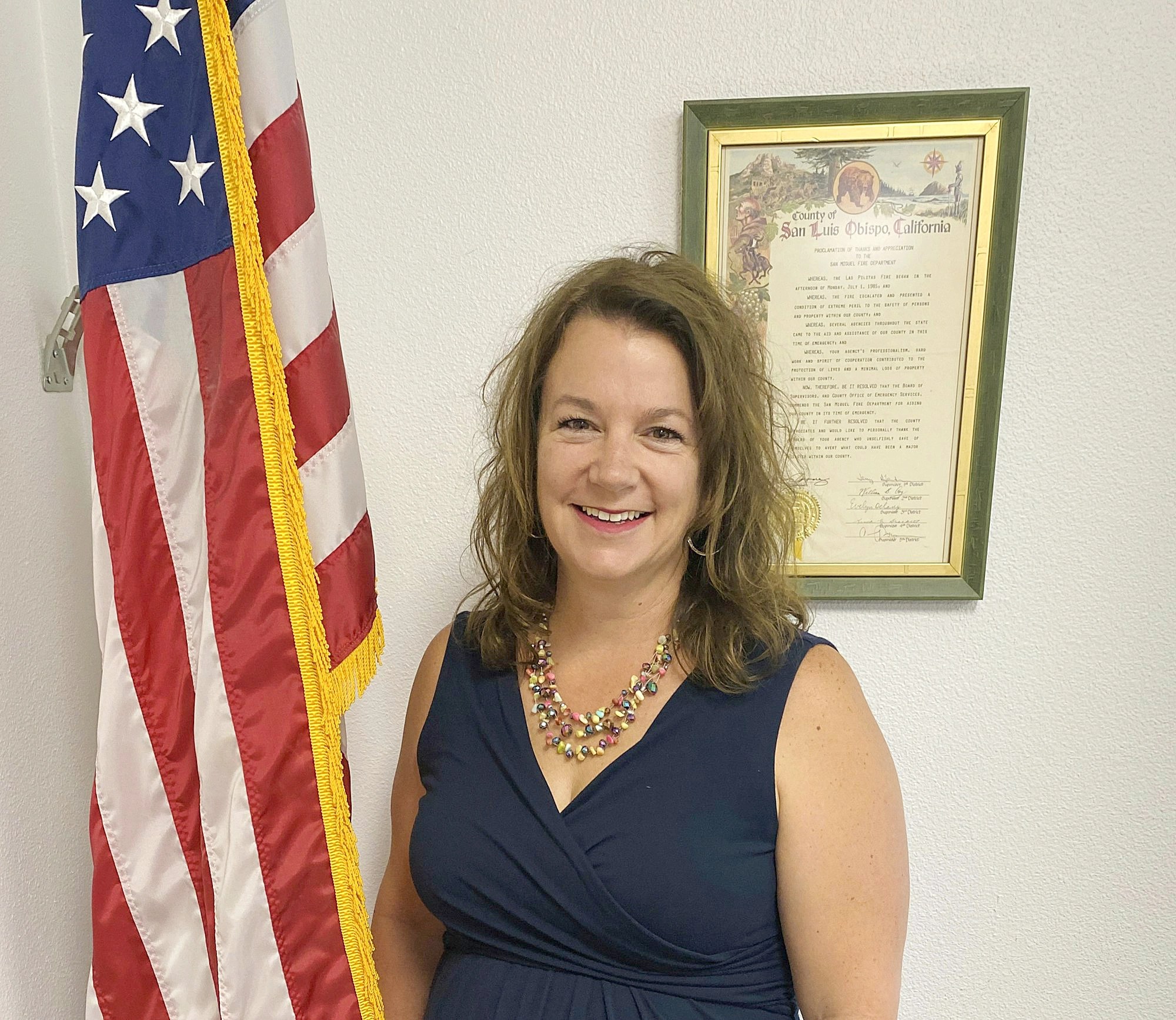
Jennifer Jones, a volunteer court-watcher, was in Montrose Municipal Court one day in early January when something caught her attention. She observed a man in his 60s, charged with multiple counts of trespassing and camping, receive a 10-day jail sentence. Though he faced incarceration, there was no lawyer by his side. This detail stood out to Jones because the Constitution guarantees legal representation for anyone facing jail time.
A Fundamental Right Denied
Advocates say this incident reflects a broader concern: poor individuals in Montrose are being sentenced to jail without the benefit of counsel. As Jennifer Jones’ experience suggests, these defendants may not fully understand their rights or have the means to secure an attorney. Despite constitutional protections, the informal nature of the proceedings leaves room for potentially unjust outcomes.
The Role of Volunteer Court-Watchers
Without official records, volunteers like Jones become key observers of what transpires in the courtroom. These community members provide a window into legal hearings that otherwise proceed quietly. In this instance, Jones’ presence brought to light that the man could not defend himself adequately, raising questions about fairness and due process within the municipal court system.
The Absence of Court Recordings
A striking aspect of Montrose Municipal Court is its decision not to record proceedings. With no transcripts or audio files, there is little evidence to review if a sentence is questioned later. This lack of documentation particularly affects individuals who cannot afford attorneys, as it compounds their limitations in challenging a jail term. For many advocates, it underscores a need for transparency—and sparks a call to reevaluate how local courts handle the rights of their most vulnerable defendants.