For the first time in a century, a gray wolf has ventured into Los Angeles County—a three-year-old female named BEY03F. Wildlife experts believe her journey may signal a promising recovery for the species.
Subscribe
Wildlife Protection
A Gray Wolf Visited Los Angeles County for the First Time in a Century, Marking a Major Milestone in the Species’ Recovery

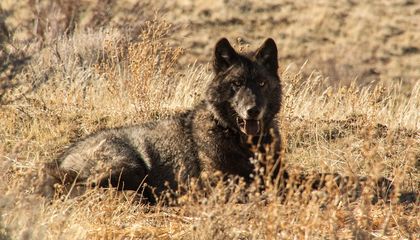
Photo by Smithsonian Magazine
Key Takeaways:
- First confirmed sighting of a gray wolf in Los Angeles County in a century
- The wolf, identified as BEY03F, is three years old
- She is likely searching for a mate
- Her visit marks a major milestone in gray wolves’ recovery
- Originally reported by Smithsonian Magazine in February 2026
The Historic Return
A gray wolf has been spotted in Los Angeles County for the first time in 100 years, marking what conservationists consider a significant step forward for the species. The return of any gray wolf to this region highlights a notable resurgence after decades of absence, raising hopes for broader ecological recovery.
Meet BEY03F
Experts have identified the wolf as BEY03F, a three-year-old female believed to be looking for a mate. Her age and solitary status suggest that she may be dispersing from another region in search of suitable territory. Although details of her journey remain limited, her presence alone speaks volumes about shifting wildlife patterns.
A Milestone in Recovery
According to Smithsonian Magazine, the event underscores the gray wolf’s steady comeback. Once common throughout California, the species faced decimation due to habitat loss and conflicts with humans. Now, wildlife advocates view the reemergence of a wolf in Los Angeles County as a strong indicator that ongoing conservation efforts are showing results.
Implications for the Future
While the long-term impact of BEY03F’s visit remains unknown, it offers renewed momentum for wolf research in Southern California. Conservationists hope that this lone wolf’s appearance signals a healthier ecosystem and a more tolerant environment for the species. For now, experts remain watchful, celebrating the milestone and the promise it holds for gray wolves and the region’s biodiversity.