Greenland stands at a crossroads, balancing its historic ties to Denmark with a rising push for independence. Former Prime Minister Mute B. Egede’s bold statement captures the territory’s growing sense of identity, while discussions about past policies and a new wave of tourism reshape Greenland’s future.
Subscribe
Adventure Tourism
Historical Sites
International Politics
Policy Analysis
Political Movements
A special holiday show all about Greenland

Key Takeaways:
- Greenlandic leaders emphasize an independent identity, distinct from Denmark or the US
- Denmark’s parenting test disproportionately separated Inuit families
- Denmark formally apologized for forcing Indigenous women and girls to use contraceptives beginning in the 1960s
- A new international airport in Nuuk aims to serve increasing tourist arrivals
- The abandoned village of Qoornoq is experiencing a cultural and historical revival
Greenland’s Evolving Identity
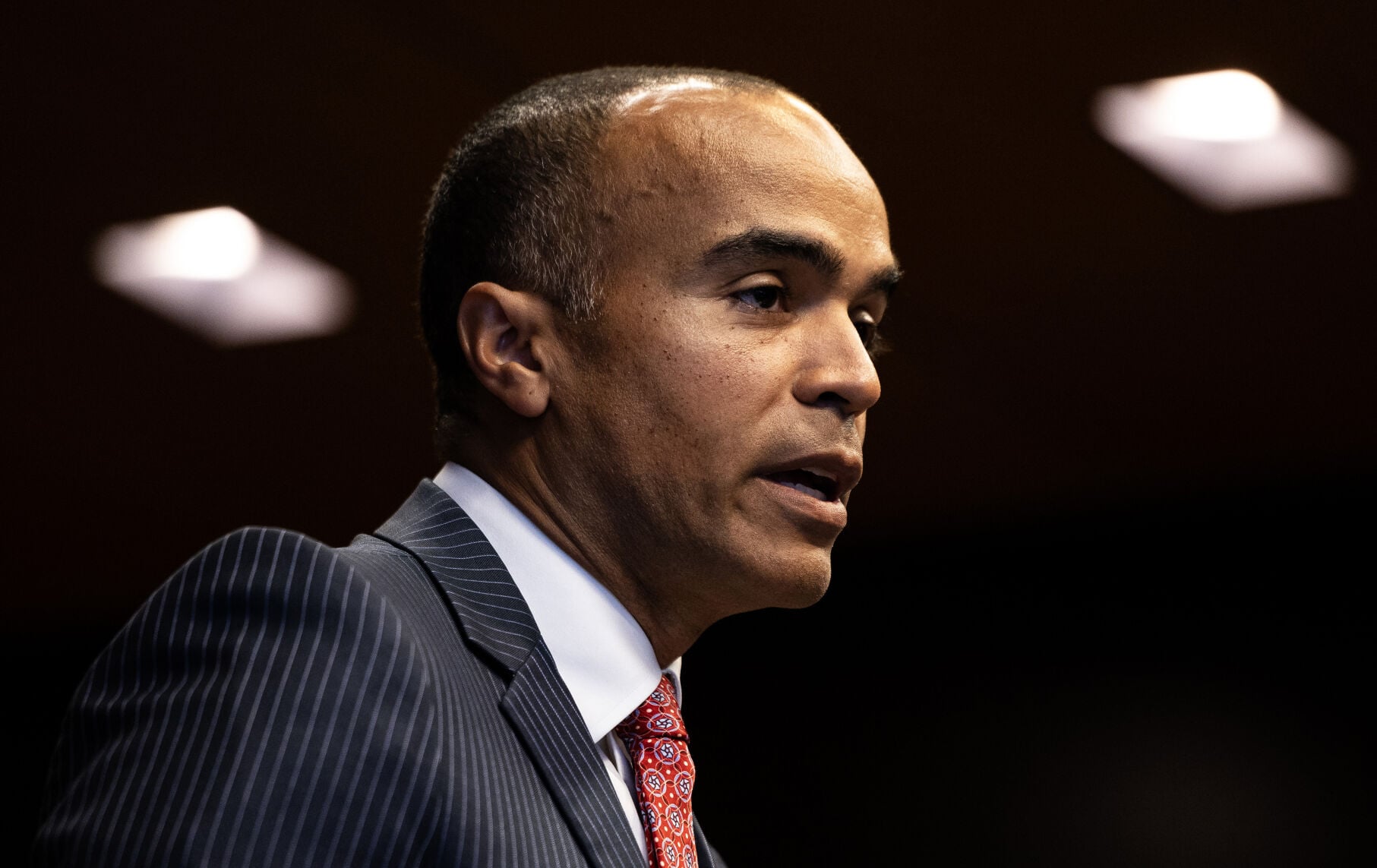
Greenland has long maintained a unique relationship with Denmark, dating back centuries. Still, public discourse on independence has recently intensified. Former Greenlandic Prime Minister Mute B. Egede summed up the emerging sentiment this year, declaring, “We do not want to be Danish, we do not want to be American. We want to be Greenlandic.” While many share Egede’s vision of a fully independent Greenland, others see continued benefits in maintaining a close bond with Denmark, reflecting a careful balance between progress, cultural preservation, and economic realities.
Controversial Policies and Their Impact
Discussions over Greenland’s future are shaped, in part, by unresolved issues from Denmark’s past policies. A controversial parenting test administered by the Danish government led to the separation of numerous Inuit families, creating a deep rift that remains an emotional rallying point for Greenlanders. Equally troubling is Denmark’s former practice of forcing Indigenous women and girls from Greenland to use contraceptive devices, beginning in the 1960s. The Danish government’s official apology for these actions has begun to address historical injustices but continues to fuel broader conversations about Greenland’s autonomy.
Nuuk’s Global Gateway
Alongside these significant political and social developments, Greenland is expanding its infrastructure to welcome a growing influx of travelers. Construction is underway on a new international airport in Nuuk, the capital city. This major undertaking is designed to handle an expected rise in tourists, reflecting Greenland’s potential as an emerging destination for adventure-seekers, cultural enthusiasts, and those drawn to its majestic Arctic landscapes.
Qoornoq’s Rebirth
Amid modernization efforts, the abandoned village of Qoornoq is witnessing a resurgence of interest. Once left behind, Qoornoq has become a place where Greenland’s heritage converges with renewed curiosity and pride. As visitors explore the site, Qoornoq’s revival highlights Greenlanders’ enduring connection to the land and their efforts to honor and sustain a culture that remains rooted in resilience and hope.