A preliminary study suggests that veterans with chronic musculoskeletal pain may benefit from accepting their pain rather than avoiding it. By embracing discomfort while maintaining meaningful activities, they could potentially reduce the link between pain intensity and alcohol use severity.
Subscribe
Chronic Illness Management
Coping Strategies
Therapy Options
Acceptance of Chronic Pain May Reduce the Link Between Pain Intensity and Alcohol Use Severity Among Veterans with Recurring Musculoskeletal Pain, Study Suggests


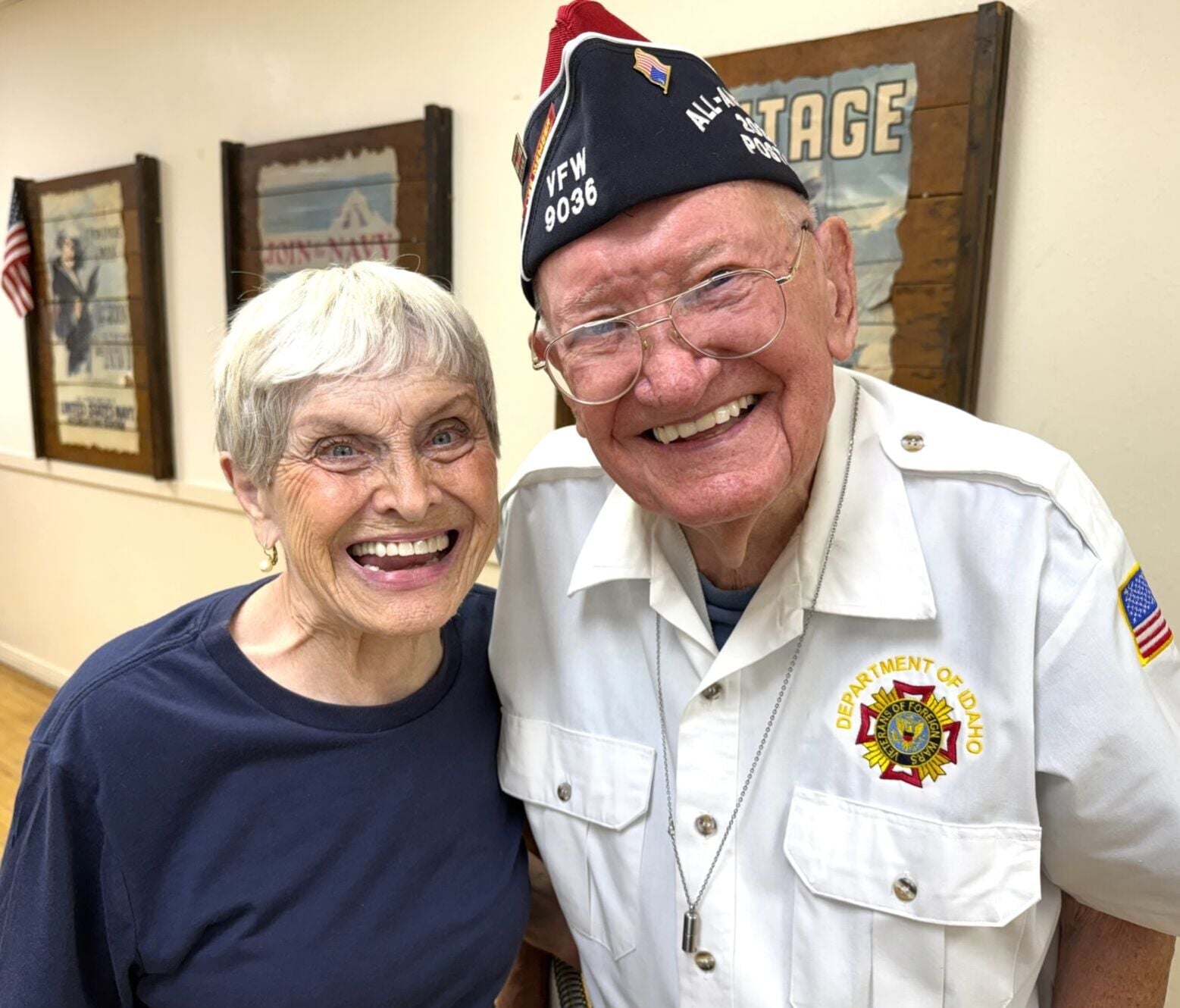
Photo by Newswise
Key Takeaways:
- Acceptance of chronic pain might help lessen alcohol use severity in veterans
- Veterans with recurring musculoskeletal pain are the main focus of this study
- The study highlights how continuing valued activities strengthens pain acceptance
- Findings are preliminary, indicating a need for further research
- Publication date: June 12, 2026
Pain Acceptance and Its Role
In this preliminary study, “accepting chronic pain—being willing to experience pain while maintaining valued activities—may be protective against higher alcohol use severity among veterans with chronic musculoskeletal pain.” Researchers define pain acceptance as a willingness to continue daily activities in spite of discomfort.
Veterans and Chronic Musculoskeletal Pain
Veterans often experience recurring musculoskeletal pain that can affect mobility and quality of life. According to the report, this pain intensity sometimes leads to increased alcohol use. However, the study suggests that veterans who practice pain acceptance might experience a reduced inclination to drink.
Possible Protective Factor
As the report indicates, “study suggests acceptance of chronic pain may reduce the link between pain intensity and alcohol use severity among veterans with recurring musculoskeletal pain.” By managing pain through acceptance, individuals face less psychological distress, which can play a role in curbing alcohol consumption.
Further Implications
The findings are described as preliminary, emphasizing the need for further investigation into how pain acceptance interventions can support veterans with chronic pain. Researchers believe that even small shifts in approach—such as focusing on continuing valued activities—could have a protective effect on alcohol use and overall well-being.