Race-neutral policies in America’s transportation system have contributed to entrenched segregation, according to the ACLU President’s opinion piece. Deborah Archer warns that ignoring race in future highway bill negotiations will further embed structural divides in the nation’s infrastructure.
Subscribe
Analysis and Opinions
Policy Analysis
Political Movements
ACLU President: Race Must Be A Factor In Looming Highway Bill Negotiations | Opinion

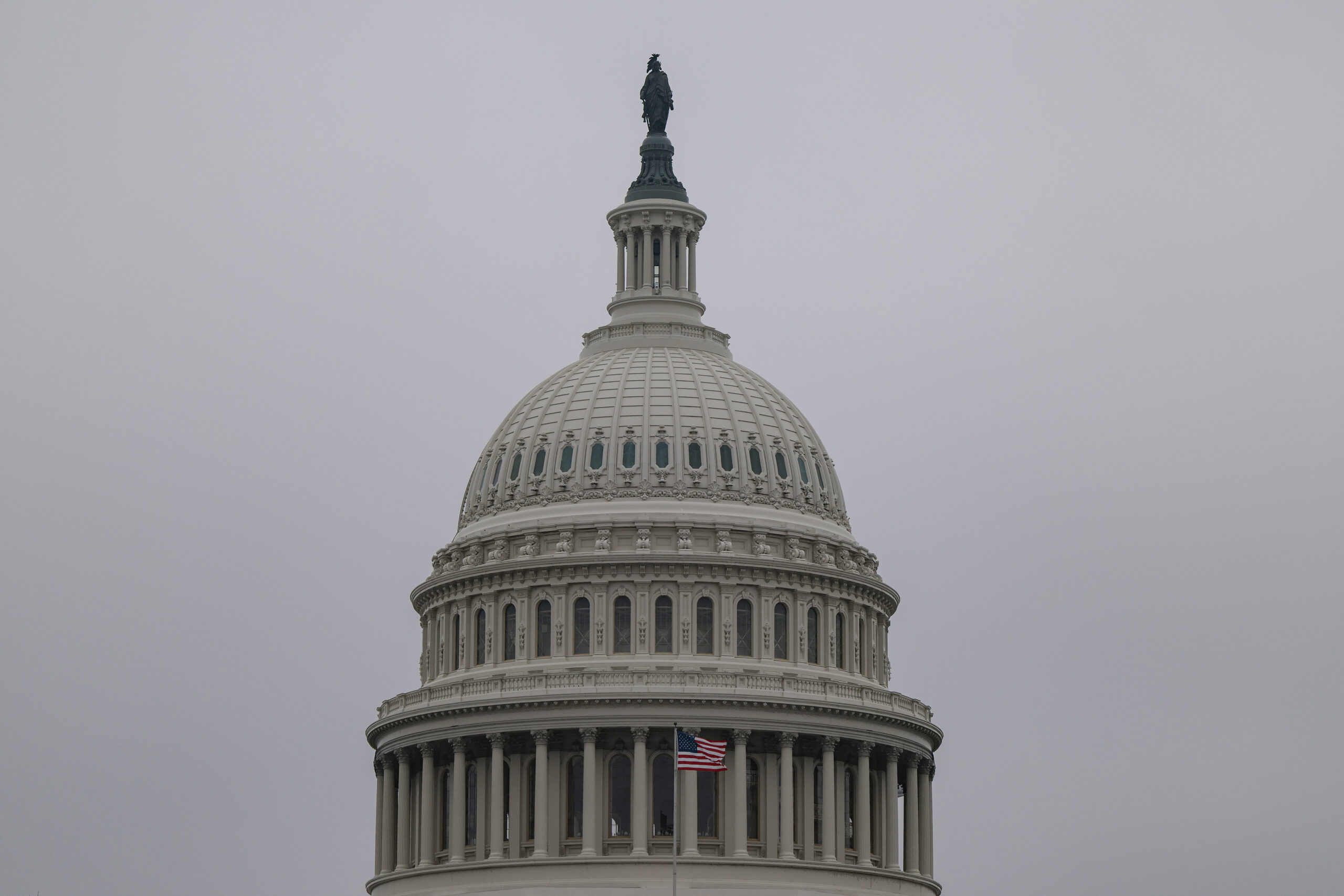
Photo by Newsweek
Key Takeaways:
- Race must be a core consideration in new infrastructure legislation.
- Past “race-neutral” policies contributed to entrenched segregation.
- Congress is at a crucial juncture with upcoming highway bill negotiations.
- The ACLU advocates for equitable legislation to address racial disparities.
- Neglecting race in policy decisions perpetuates structural inequalities.
Introduction
Deborah Archer, President of the American Civil Liberties Union (ACLU), argues that race should be a pivotal factor in negotiations for the looming highway bill. In her opinion piece published by Newsweek, Archer notes that historically “race-neutral” transportation and housing policies have embedded segregation into the very foundation of America’s roads and neighborhoods.
Historic Patterns
For decades, many American communities have been shaped by infrastructure decisions promoted as race-neutral. Archer’s stance, consistent with the ACLU’s advocacy work, highlights how these seemingly impartial policies often led to very real racial and economic disparities on the ground. The resulting segregation, as she puts it, is literally “embedded in concrete and asphalt.”
Implications for Legislation
While legislative debates on the upcoming highway bill are heating up, Archer believes that factoring race into the conversation should not be optional. By failing to account for the ways decisions about where highways are built — or how housing developments are zoned — affect communities of color, lawmakers risk perpetuating a broken system. The call for a racial lens is meant to ensure that future infrastructure investments benefit all Americans, not just a privileged few.
ACLU’s Call to Action
The ACLU, which stands at the forefront of civil liberties and social justice advocacy, emphasizes that action now can reverse entrenched inequalities. Archer’s point underscores the need for a conscious, intentional approach to infrastructure lawmaking, with provisions that address past harms. By acknowledging race as a factor in policy creation, Congress can open pathways for more equitable living conditions.
Looking Ahead
With debates underway and legislative deadlines approaching, lawmakers face a critical juncture. Archer and the ACLU warn that a failure to include race in upcoming highway bill negotiations may replicate the very issues that have marginalized some communities for decades. The hope is that by reckoning with historical disparities, this bill can serve as a progressive step toward dismantling long-standing barriers and fostering inclusivity in the American landscape.