Afghan-born activist Nasrine Abou-Bakr Gross understands the challenges women in her homeland confront simply to read and learn. Her family legacy—her parents were the first couple to graduate from high school in Afghanistan—fuels her passion for ensuring that every woman has the opportunity to pursue education.
Subscribe
International Politics
Middle East
Activist talks reality for Afghan women

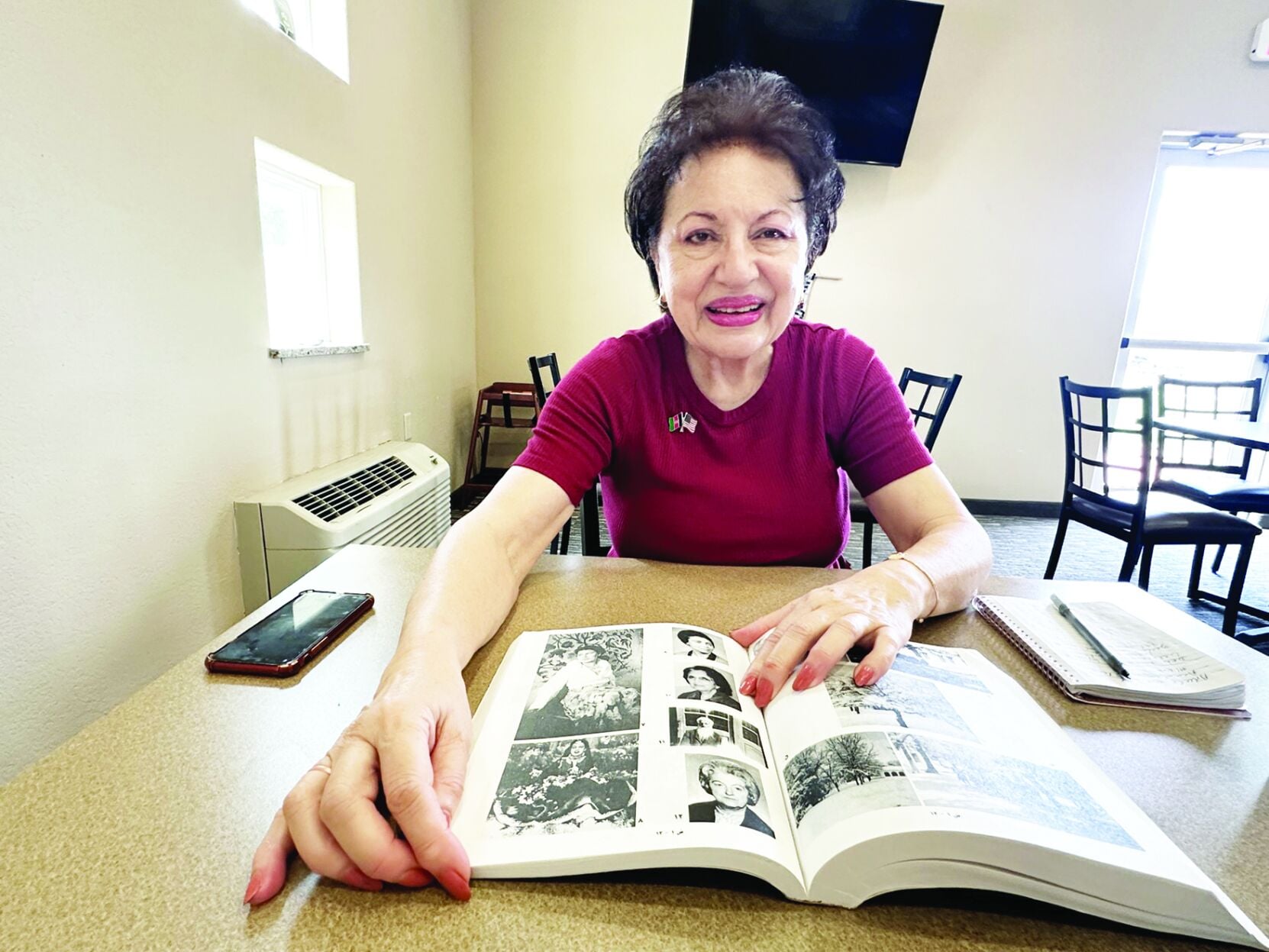
Photo by Communitynewspapergroup
Key Takeaways:
- Afghan women face daily barriers to accessing literacy and education.
- Nasrine Abou-Bakr Gross’s parents were trailblazers in Afghan schooling.
- Education is seen as a critical stepping stone for societal progress.
- Economic and social pressures compound the difficulties women face.
- Gross continues her activism to champion universal education in Afghanistan.
A Determined Voice
Nasrine Abou-Bakr Gross grew up witnessing firsthand the obstacles Afghan women encounter as they strive to learn. She knows that oppression runs deep, affecting opportunities for basic literacy and personal growth. In a country where each textbook can represent a step toward freedom, her advocacy underscores the importance of continuing education efforts despite persistent challenges.
A Pioneering Legacy
The roots of her mission trace back to her parents, who hold a landmark distinction: they became the first couple to graduate from high school in Afghanistan. This notable achievement was far more than a personal milestone; it laid the groundwork for Gross’s unwavering belief that education is a primary force against oppression and inequality.
The Importance of Literacy
Because literacy grants women the means to learn their rights and assert their voices, its absence can have severe consequences. The Taliban’s historical restrictions on women’s access to education, alongside other social hurdles, add urgency to the need for solutions that break down the barriers to schooling. Gross highlights every woman’s right to learn, seeing education as both a societal necessity and a catalyst for broader empowerment.
Carrying the Mission Forward
Gross remains committed to sharing the stories of Afghan women who have fought bravely for an education. By shining a light on pressing problems, such as limited literacy resources, she hopes to inspire more international support. Her message is simple: investing in women’s learning is not just about cultivating individual success—it strengthens entire communities.
An Ongoing Mission
Though the path forward is fraught with obstacles, activists like Gross believe that unwavering dedication can help shift the societal landscape in Afghanistan. Any progress, small or large, contributes to the collective hope that one day every Afghan woman will freely pursue the education she deserves.