In the aftermath of fierce wildfires in Los Angeles last year, social media platforms were flooded with misleading information. These false claims, which spread quickly, ultimately had a tangible impact on how California crafted its policies.
Subscribe
Analysis and Opinions
Policy Analysis
After the LA fires, false narratives on social media impacted state policy
Key Takeaways:
- Misinformation circulated rapidly following the LA wildfires
- False narratives influenced decision-making at the state level
- Palisades Fire and Eaton Fire featured prominently in discussions
- Pacific Palisades and Altadena were key geographic focal points
- Swift spread of rumors underscores broader risks for future events
Background
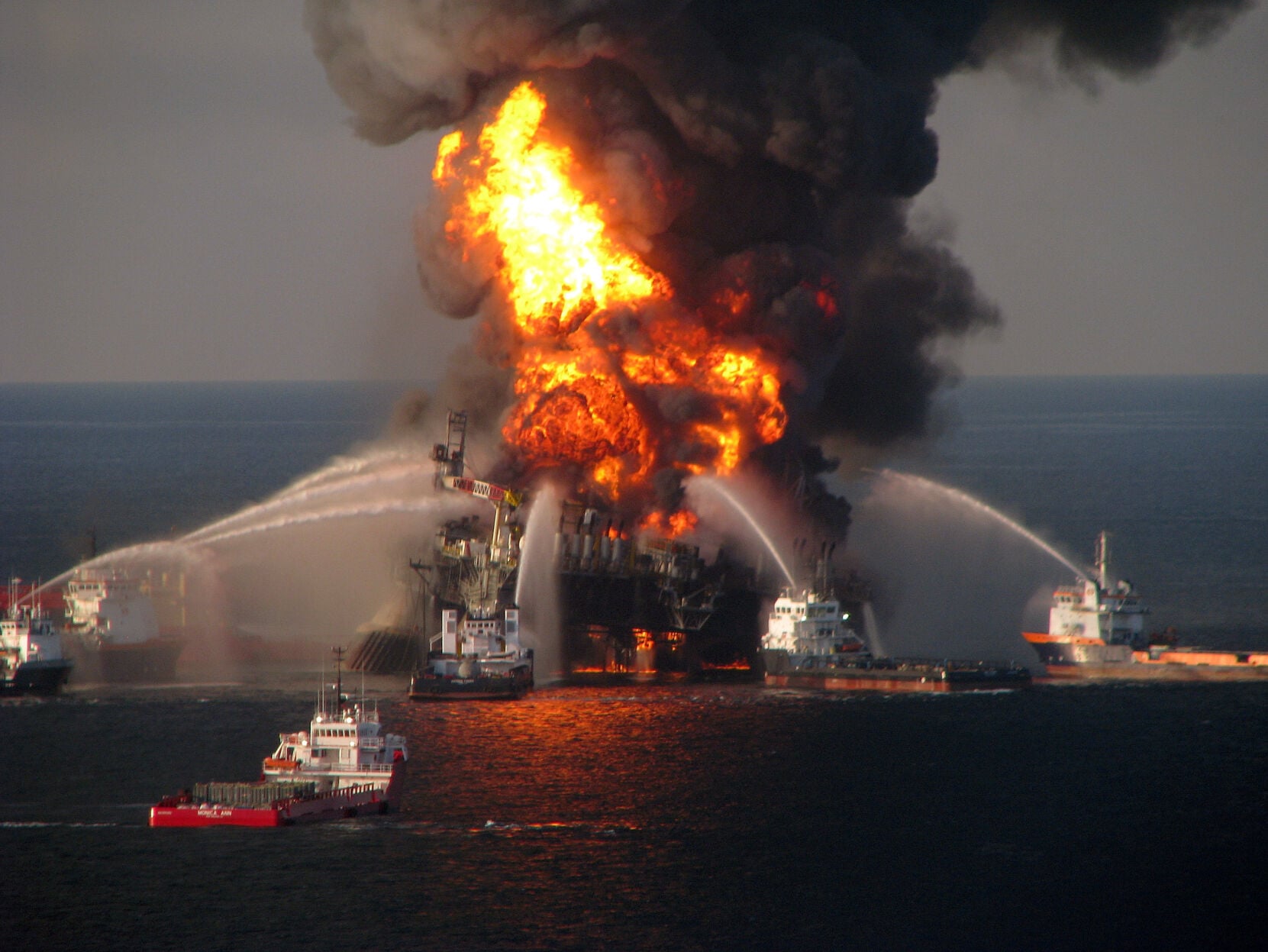
Wildfires that swept through parts of Los Angeles last year left a lasting impact not only on communities they affected but also on the public discourse surrounding them. Reports mention the Palisades Fire and the Eaton Fire among those that caused serious concern and prompted swift action from first responders. Yet, as firefighters worked to contain the flames, another battle was taking place across social media.
False Narratives on Social Media
Online platforms quickly became hosts to a range of claims—some accurate, many false. Misinformation circulated at a rapid pace, sparking heated debates in communities like Pacific Palisades and Altadena. These viral falsehoods sowed confusion and, in some cases, overshadowed verified reporting on the fires. Observers note that with the speed of modern communications, unverified rumors can spread more widely than confirmed facts.
Shaping State Policy
Although it is difficult to pinpoint exactly how each individual rumor swayed lawmakers, there is consensus that some narratives on social media made their way into legislative discussions. References to “false narratives” and “misinformation” were invoked in debates around new measures aimed at addressing emergency preparedness and public safety. By spotlighting the dizzying effect these untrue claims had on local communities, officials recognized the need for better safeguards and, potentially, stricter regulations on the flow of misinformation during crises.
Lessons for Future Crises
The experience of last year’s LA fires serves as a cautionary tale. While social media can be a vital platform for communication in emergencies, it can also amplify rumors that shape public opinion—sometimes to the point of influencing actual policy decisions. By understanding the dangers of misinformation, stakeholders in government, media, and communities alike can work toward establishing clear and reliable information channels for the next crisis.