An AI-powered analysis of Hubble’s older images has detected hundreds of new cosmic anomalies. These elusive objects, never before seen by human eyes, offer a fresh frontier in the pursuit of understanding our universe.
Subscribe
Space Technology
AI finds hundreds of never-before-seen ‘cosmic anomalies’ in old Hubble Telescope images

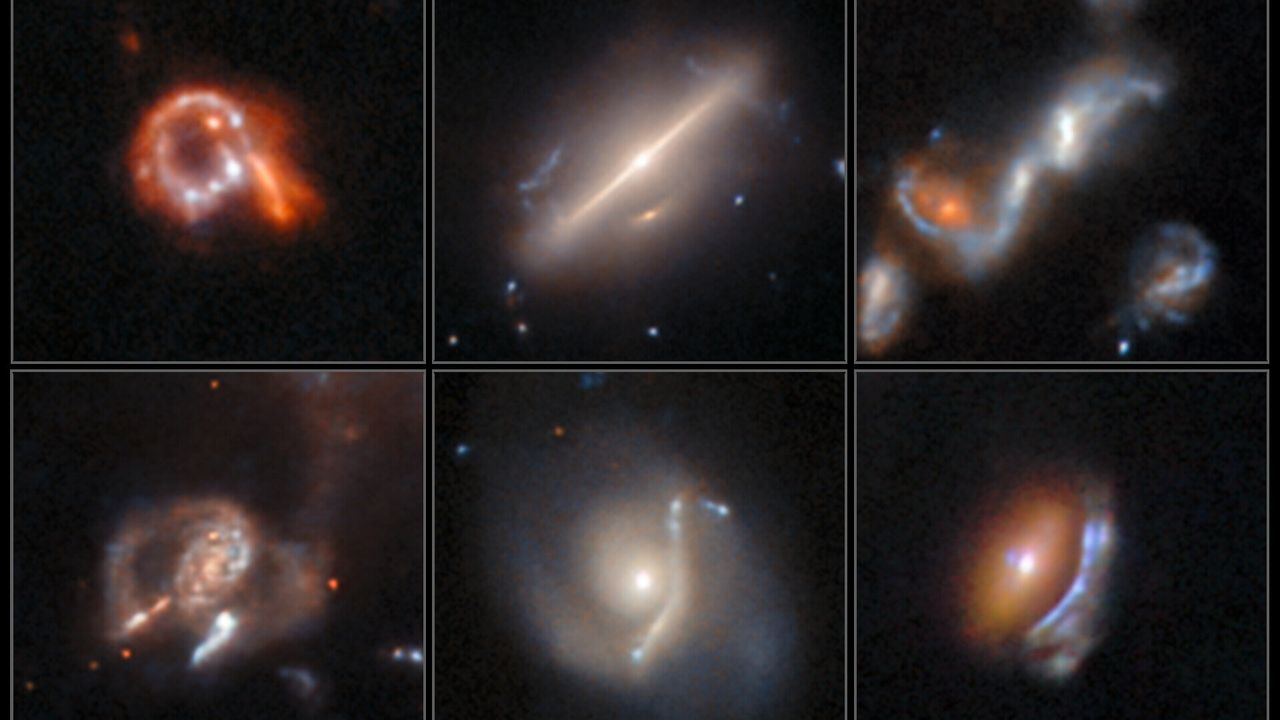
Photo by Space
Key Takeaways:
- AI-driven analysis reveals hundreds of cosmic anomalies
- Archival Hubble data holds uncharted discoveries
- Researchers confirm it’s the first time humans have seen these objects
- Findings underscore the potential of AI in astronomy
- Observations may inspire new research paths
Unearthing Hidden Anomalies
In a surprising breakthrough for astronomy, an artificial intelligence system has uncovered hundreds of never-before-seen “cosmic anomalies” buried in older images from the Hubble Space Telescope. Scientists say this is the first time humans have laid eyes on these unusual deep-space objects, which could point to undiscovered regions of our vast universe.
A Look at the Old Hubble Data
The Hubble Space Telescope has provided a wealth of images for decades, capturing everything from near-Earth phenomena to the farthest reaches of the cosmos. Although researchers continue to analyze new images, this recent discovery reminds us of the enormous potential hidden in earlier data. Hubble’s archives still contain untapped details, waiting to be unveiled by modern analytical methods.
AI’s Role in Space Discoveries
Sifting through massive data sets manually can be tedious and overwhelming, which is where artificial intelligence steps in. Advanced algorithms can examine subtle features, picking out anomalies that might otherwise go unnoticed. The process has allowed astronomers to detect patterns and variations that are virtually invisible to the human eye, accelerating discovery and opening new avenues for exploration.
What This Means for Astronomy
Identifying these never-before-seen space objects propels scientific knowledge forward and reaffirms the power of technology in pushing the boundaries of human understanding. As AI continues to refine its methods, astronomers anticipate even deeper insights into the formation, structure, and evolution of cosmic phenomena. Ultimately, these breakthroughs underscore Hubble’s enduring legacy and set the stage for future missions and technologies to delve even further into the secrets of our universe.