Although artificial intelligence can help speed up scientific research, experts caution that it cannot completely replace human scientists. The mixed outcomes of AI-driven studies underscore the enduring need for human intuition, creativity, and critical thinking.
Subscribe
Analysis and Opinions
Generative AI
AI may accelerate scientific progress — but here’s why it can’t replace human scientists

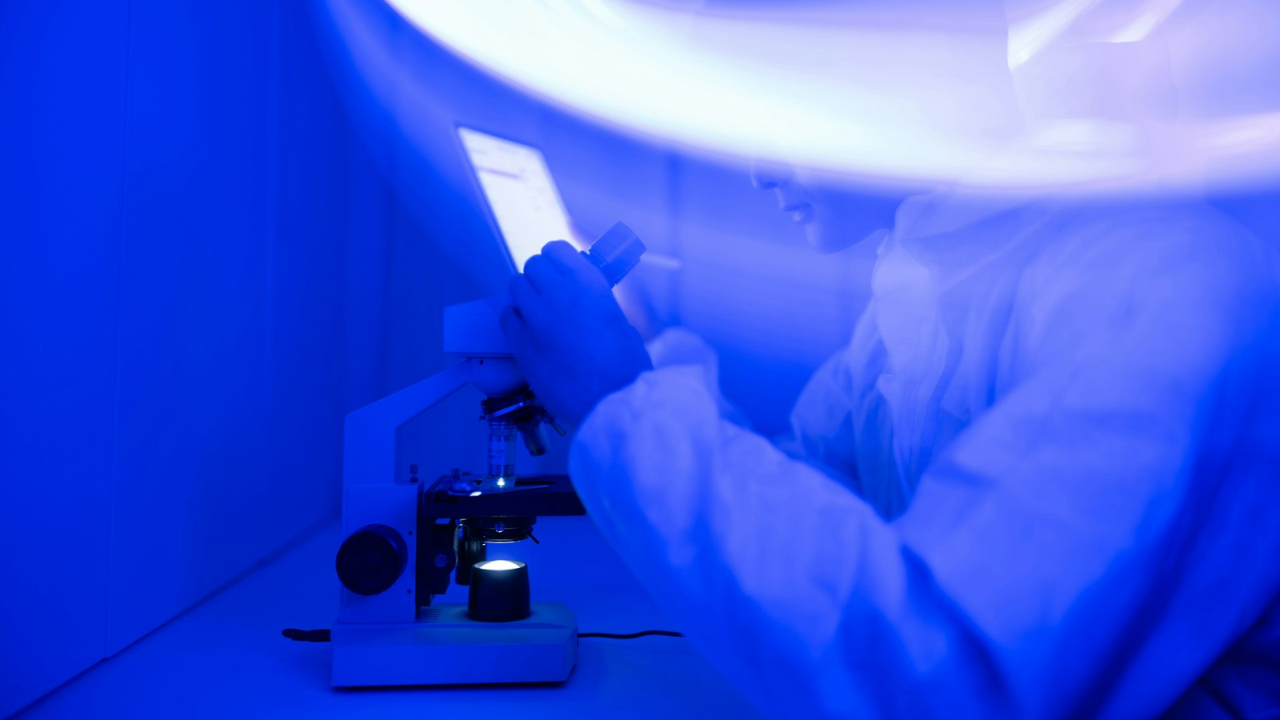
Photo by Livescience
Key Takeaways:
- AI can accelerate research through data analysis and repetitive tasks.
- Its achievements in science have been described as “mixed.”
- Human judgment and creativity remain irreplaceable.
- Policies and practices integrating AI must strike a balance between efficiency and insight.
- Future research may see AI and scientists working more closely together.
AI’s Growing Influence
Artificial intelligence has already shown promise in taking on various tasks once handled by human researchers. Advocates argue that AI can sift through vast data sets, highlight potential breakthroughs, and generally streamline scientific work.
The Mixed Track Record
“The achievements of AI-augmented science are mixed, but that doesn’t mean the technology can’t play a role in future endeavors,” the article notes. Despite the potential for faster data processing, real-world implementation often reveals inconsistent results, reminding observers that AI systems are not yet a one-size-fits-all solution.
Why Humans Still Matter
While algorithms and learning models can handle repetitive jobs, human scientists carry out crucial roles that depend on curiosity, creativity, and nuanced judgment. The ability to ask the right questions, interpret ambiguous findings, and follow unexpected lines of thought sets human researchers apart from AI programs.
Looking Ahead
As technology evolves, AI is forecast to work more closely alongside human experts rather than replace them. Future scientific endeavors may rely on AI to process massive data sets efficiently, leaving researchers free to shape the direction of discovery. The balance between what AI can do best and what remains uniquely human will continue to shape the scientific landscape for years to come.