Hundreds of thousands of abandoned coal mines across the United States could soon become essential assets in the clean energy revolution. Scientists at the Oak Ridge National Laboratory have developed a methodology to transform these hazardous sites into “water batteries,” offering a new lease on life for America’s industrial past.
Subscribe
Green Energy Solutions
America’s Abandoned Coal Mines Could Become Giant Underground Batteries


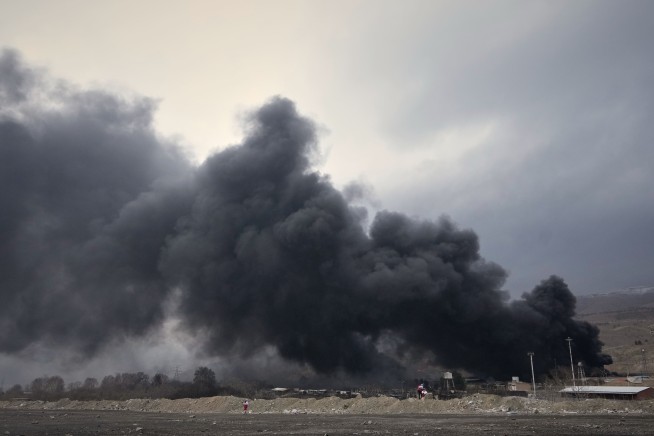
Photo by Oil Price
Key Takeaways:
- An estimated half a million old coal mines exist across the U.S.
- These sites currently pose dangers to health, safety, and the environment.
- Research from ORNL indicates they can be transformed into pumped hydro systems.
- By storing water at different levels, the mines can serve as large underground batteries.
- Turning neglected mining infrastructure into energy assets supports wider renewable adoption.
A Lingering Threat
As many as half a million abandoned coal mines dot the United States, a legacy of a once-booming industry that provided valuable resources but left behind environmental hazards. These deserted sites pose serious threats to public health, safety, and the surrounding ecosystems, with many abandoned since the 1970s before strict reclamation standards were introduced.
ORNL’s New Breakthrough
Scientists at the Oak Ridge National Laboratory (ORNL) have announced a methodology that could transform these liabilities into functional energy storage sites. The concept, often referred to as “pumped hydro” or “water batteries,” involves moving water between two reservoirs at different elevations. When energy is needed, water flows through turbines to generate electricity. In the case of abandoned coal mines, the existing tunnels and infrastructure could serve as reservoirs, significantly reducing construction costs.
Environmental and Public Safety Gains
Converting abandoned mines into underground energy storage not only addresses the urgent need for renewable power solutions but also focuses on environmental remediation. Once reclaimed and secured, these long-neglected structures could bring renewed hope to communities previously reliant on coal jobs and left with contaminated land. Ensuring public safety and cleaning up hazardous sites have been longstanding priorities, and this innovation helps achieve both.
Implications for the Renewable Revolution
As wind and solar power become more prominent, large-scale energy storage is crucial to smooth out fluctuations and ensure a stable supply of electricity. Underground “water batteries” could charge overnight when power demand and costs are low and release energy when demand surges. Such a development could strengthen America’s power grid and bolster clean energy adoption across the country.
Looking Ahead
While significant technical, financial, and regulatory challenges remain, the concept of repurposing old coal mines could offer a valuable blueprint for other regions grappling with post-industrial cleanups. If implemented on a broad scale, this plan could turn historical vulnerabilities into an energized asset, setting a precedent for imaginative environmental reclamation and forward-thinking energy solutions.