On February 23, 1942—barely two months after the attack on Pearl Harbor—the Japanese submarine I-17 emerged off the Central Coast and targeted a vital oil field at Ellwood. This unexpected move brought the war dramatically closer to home for Californians.
Subscribe
Global Conflicts
World Wars
Anniversary of World War II attack on the Central Coast | Our Storied History

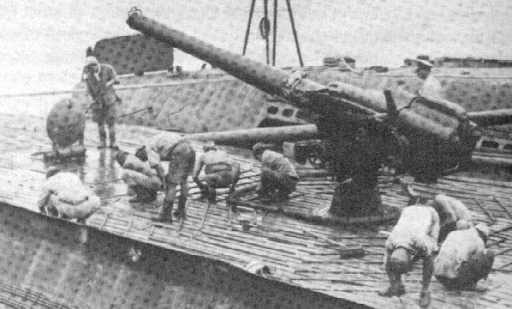
Photo by Santa Ynez Valley News
Key Takeaways:
- Attack Date: Occurred on February 23, 1942, only 69 days after Pearl Harbor.
- Submarine I-17: A Japanese vessel responsible for an early wartime strike on the U.S. mainland.
- Ellwood Oil Field: Renowned at the time for its petroleum infrastructure, it is now Sandpiper Golf Course.
- Coastal Vulnerability: The shelling exposed strategic weaknesses along California’s coastline.
- Part of the Pacific Theater: The event underscored the global nature of World War II combat.
A Wartime Shock on the California Coast
On February 23, 1942, the people of California’s Central Coast encountered a chilling surprise. Just 69 days had passed since the attack on Pearl Harbor, and most residents still reeled from that trauma. Suddenly, the flashes of artillery and the rumble of gunfire shattered the peace north of Santa Barbara, highlighting the nation’s exposed western flank.
Japanese Submarine I-17 Arrives
The Japanese submarine I-17 appeared in the dark waters off Ellwood with a mission to strike at the Barnsdall-Rio Grande Oil Field. The shelling, though brief, underscored how vulnerable American coastal sites could be. This unexpected appearance of enemy naval power so close to home rattled public confidence, leaving locals to wonder if more attacks loomed on the horizon.
Ellwood’s Strategic Importance
Why Ellwood? At the time, the oil field was a recognized industrial site, critical for fueling both domestic needs and the war effort. It made for a tempting target. Though coastal defenses existed, this attack exposed gaps in security. Today, that same stretch of coastline is home to the Sandpiper Golf Course—offering a stark reminder of how different the area once was.
The Broader Pacific War Context
This shelling at Ellwood was one of several incidents that signaled Japan’s reach into American coastal waters during the Pacific Ocean Theater of World War II. For local communities, it emphasized the possibility of warfare unfolding right at their doorstep. Nationally, the event contributed to a growing resolve to protect American shores, drawing attention to the strategic importance of defending the West Coast.