Anthropologists have identified DNA from a relative of the bacterium that causes syphilis, dating back some 5,500 years. This discovery provides the earliest known evidence of the pathogen’s genetic makeup and offers fresh insight into its evolutionary journey.
Subscribe
Ancient Civilizations
Infectious Diseases
Anthropologists Recover DNA of Syphilis-Causing Bacterium Relative From 5,500-Year-Old Human Remains, the Earliest Ever Found

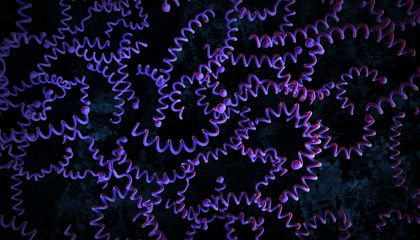
Photo by Smithsonian Magazine
Key Takeaways:
- Researchers uncovered the earliest known DNA from the syphilis-causing bacterium’s relative.
- The 5,500-year-old human remains yielded the oldest complete set of genetic data for this group.
- This find casts new light on the pathogen’s evolutionary path over millennia.
- These insights demonstrate the intersection of anthropology and genetics in studying ancient diseases.
The Discovery
Scientists have successfully recovered DNA from ancient human remains estimated to be 5,500 years old. This evidence points to an early form of the bacterium that causes syphilis, making it the earliest example of its genetic code on record.
Unlocking Evolutionary Clues
Through careful analysis, researchers identified what they describe as “the oldest complete set of genetic information from this bacterial group and shed light on its evolutionary history.” By mapping this genetic material, anthropologists can trace how the pathogen adapted and evolved over centuries, potentially explaining shifts in its characteristics and virulence.
Connecting Past and Present
These findings underscore the importance of looking to the distant past for clues about modern diseases. By comparing this ancient DNA with contemporary samples, scientists can pinpoint key genetic variations that reveal how certain bacterial strains may develop resistance or change their modes of transmission. This multidisciplinary approach—combining anthropology and genetic research—opens new doors for understanding how diseases emerge and spread.
Looking Ahead
As investigators continue to unearth insights from ancient remains, each discovery broadens our perspective on the deep roots of infectious diseases. While much remains to be uncovered, the work offers hope that, over time, a clearer picture of these pathogens’ trajectories will help us anticipate and perhaps better manage future outbreaks.