Apple’s new foldable iPhone is facing a significant design hurdle: eliminating the screen crease. Yet, despite these difficulties, the tech giant remains on schedule in its pursuit of a high-grade, ultra-thin glass display.
Subscribe
Flagship Models
Apple Struggling to ‘Kill’ the iPhone Fold Crease, But Still on Track

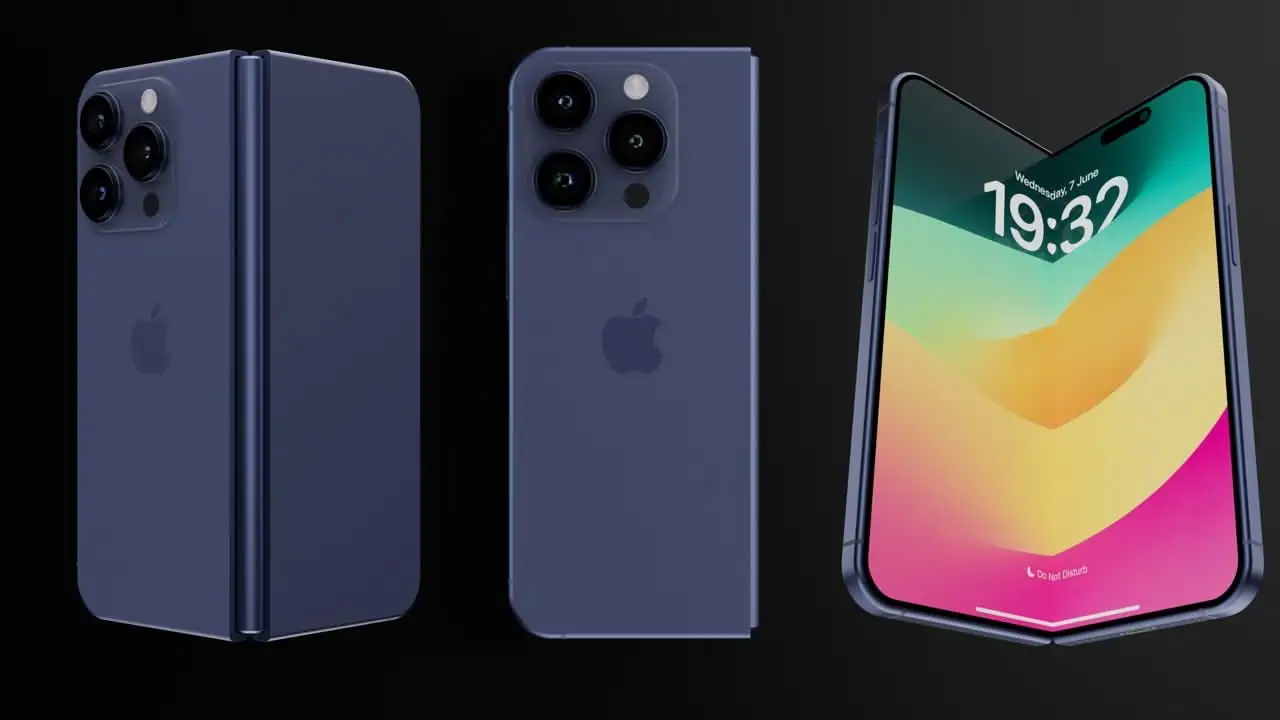
Photo by Androidheadlines
Key Takeaways:
- Apple is working on a foldable iPhone.
- A persistent fold crease is the main technical issue.
- The design relies on ultra-thin glass for a smooth display.
- Apple remains on track, despite ongoing technical challenges.
- These updates were first reported on December 22, 2025.
Apple’s Foldable Vision
Apple has officially set its sights on the rapidly growing world of foldable smartphones. While foldables have been edging into the mainstream, Apple’s approach, as reported by Androidheadlines, is to produce a device that aligns with the company’s focus on streamlined design and user experience.
The Crease Challenge
One of the biggest obstacles in developing such a device is the unsightly screen crease. Even though foldable technology has progressed quickly in recent years, the visible crease where screens bend remains a point of contention for manufacturers. Apple reportedly aims to “kill” that crease once and for all, but the process has proven more complex than anticipated.
Struggles and Progress
Despite the technical difficulties, Apple is said to be forging ahead with its development timetable. Industry watchers believe this determination underscores the brand’s commitment to innovate, especially in the face of competitive pressures from other foldable-phone makers.
Focus on Ultra-Thin Glass
Apple’s plan hinges on using ultra-thin glass that can deliver a near-seamless display when folded. Though details remain limited, insiders suggest that this engineering challenge—blending durability, clarity, and bendability—will significantly impact the final look and feel of the foldable iPhone.
Looking Ahead
Whether or not Apple can eliminate the crease entirely remains an open question, but the tech giant is clearly determined to push boundaries. As reported by Androidheadlines on December 22, 2025, Apple’s foldable project is still on track, offering a glimpse of what could be the next leap forward in smartphone design.