Archaeologists have made a groundbreaking discovery in Jerusalem, unearthing the longest remains of a wall dating back to the Hasmonean era. Completed just last week, the excavation sheds fresh light on how the city was fortified during the time of Hanukkah.
Subscribe
Ancient Civilizations
Historical Sites
Middle East
Archaeologists uncover intact section of ancient Jerusalem wall

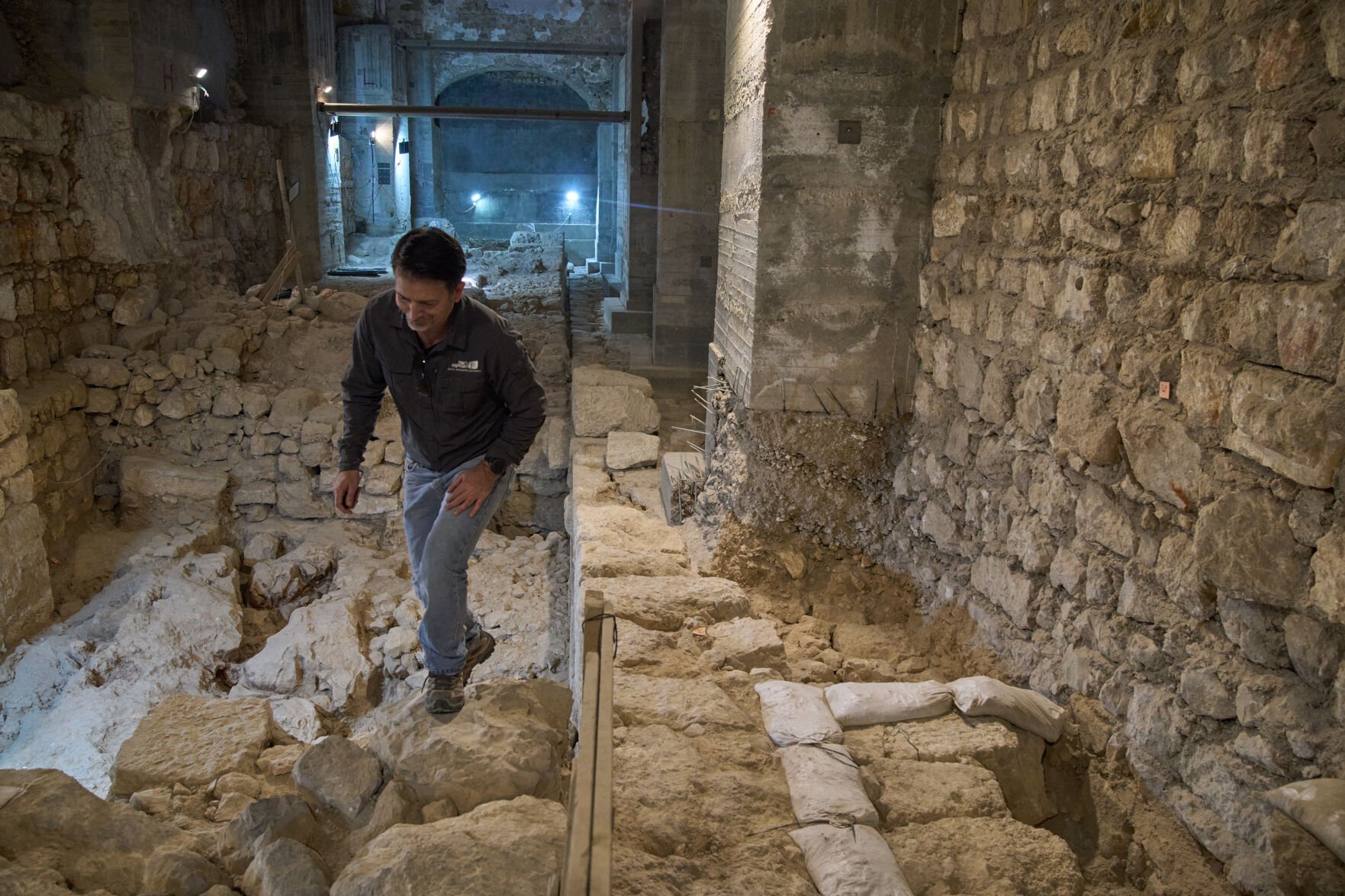
Photo by Crescent-news
Key Takeaways:
- Archaeologists uncovered the longest known section of this Hasmonean wall.
- The discovery dates to a period closely associated with Hanukkah.
- Excavation wrapped up last week, confirming the wall’s solid condition.
- This section highlights the religious and historical importance of the Hasmonean dynasty.
- The finding provides rare insight into Jerusalem’s ancient defensive structures.
Discovery and Historical Context
Archaeologists have revealed the most extensive remnants of an ancient wall once encircling Jerusalem at the time of Hanukkah. This significant find features a portion of the Hasmonean wall foundation, believed to be built a few decades after the era referenced in the partial historical records. Although details about its exact date remain incomplete in public announcements, experts note that the wall’s preservation offers rare insights into Jerusalem’s defenses.
Longest Known Section Uncovered
The team reports that the newly uncovered portion is, to date, the longest remains of such a Hasmonean structure. The original purpose was likely to secure and demarcate Jerusalem’s boundaries during a period of significant religious and political developments. Its survival through centuries underscores the robust engineering techniques employed by the Hasmonean builders.
Completion of Excavation
Authorities involved in the project confirmed that the excavation was completed last week. While the broader excavation details are not publicly disclosed, the timing underscores how recent—and groundbreaking—this archaeological milestone truly is. Researchers have publicly shared their excitement about the wall’s condition, noting that it allows for a deeper understanding of that pivotal era in Jerusalem’s history.
Significance for Religious and Cultural Heritage
Beyond its architectural value, this discovery holds substantial cultural and religious importance. The Hasmonean dynasty, often linked with the events commemorated during Hanukkah, played a major role in shaping Jerusalem’s storied past. By spotlighting one of the city’s crucial defensive structures, the find adds yet another layer to the tapestry of Jerusalem’s heritage.
At-a-Glance Summary
| Aspect | Detail |
|---|---|
| Discovery | Longest Hasmonean-era wall remains |
| Date of Excavation | Completed last week |
| Location | Old City area of Jerusalem, near historical sites |
| Cultural Context | Tied to the time of Hanukkah and the Hasmonean dynasty |
Looking Ahead
While no further excavation details are immediately available, experts anticipate that this discovery will encourage more in-depth study of Jerusalem’s Hasmonean period. It may also lead to new questions about the ways in which the ancient city was fortified and the role such walls played in the region’s broader historical narrative.