Snow shoveling might seem like a commonplace winter chore, but it can carry serious consequences. According to the National Safety Council, it causes thousands of injuries and as many as 100 deaths every year.
Subscribe
Safe Practices
Are heart attacks from shoveling snow common? | Fact brief

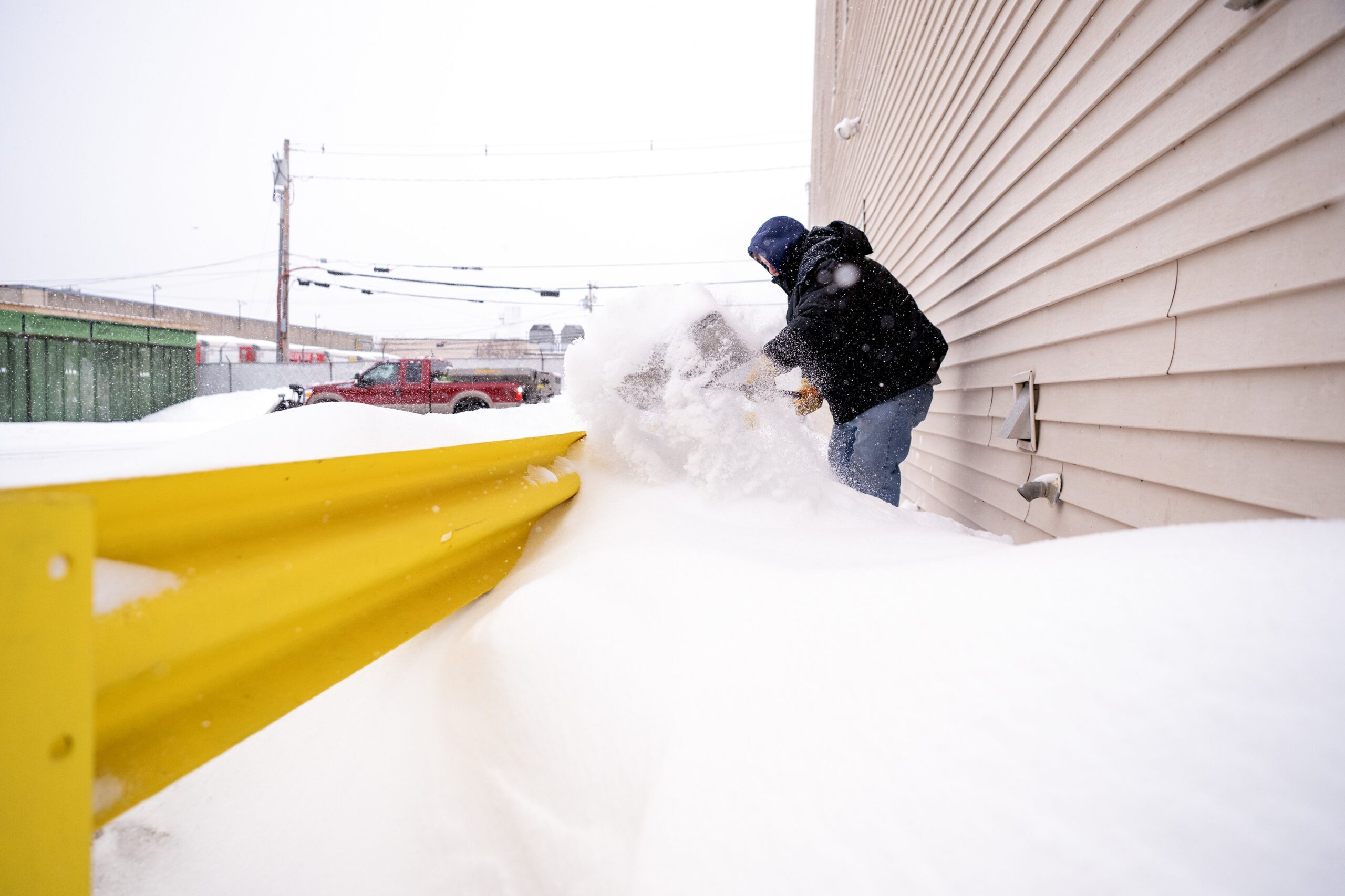
Photo by Lewiston Sun Journal
Key Takeaways:
- Shoveling snow can contribute to severe health risks, including heart attacks
- Thousands of injuries occur annually from this routine winter task
- Up to 100 deaths per year are linked to overexertion in cold conditions
- The National Safety Council highlights the importance of prevention and caution
Background on Snow Shoveling Risks
Shoveling snow is a demanding activity that many people take on without a second thought. However, according to the National Safety Council, it accounts for thousands of injuries each winter. These injuries range from muscle strains to more serious health emergencies.
Health Implications and Overexertion
One of the most serious concerns is the potential for heart attacks when individuals overexert themselves in cold weather. Shoveling is not just a matter of lifting snow; it involves repetitive motions, sudden exertion, and exposure to low temperatures, all of which can increase cardiovascular strain.
Safety Measures and Precautions
Experts recommend taking frequent breaks, staying hydrated, and being mindful of any early warning signs of fatigue or chest discomfort. While specific medical guidelines can vary, individuals are generally urged to consult their physician if they have concerns about their capacity to handle intense physical activity in cold conditions.
Community Awareness
Public advisories aim to raise awareness of these dangers. The National Safety Council’s data—showing up to 100 deaths nationwide each year—reminds everyone that winter chores should be approached with the same vigilance as any other strenuous activity. By remaining cautious and prepared, communities can ensure that an everyday task does not turn into a health emergency.