As President Donald Trump directs the release of UFO data, experts ask: if extraterrestrials exist, how might they view us? Theoretical physicist Avi Loeb notes that our own conduct may shape any alien perception. This shift moves the conversation from mere existence to deeper questions about humanity’s responsibility for its actions.
Subscribe
Analysis and Opinions
Breaking News
Space Technology
As Trump orders UFO data released, a question hangs: If aliens exist, what would they think of us?

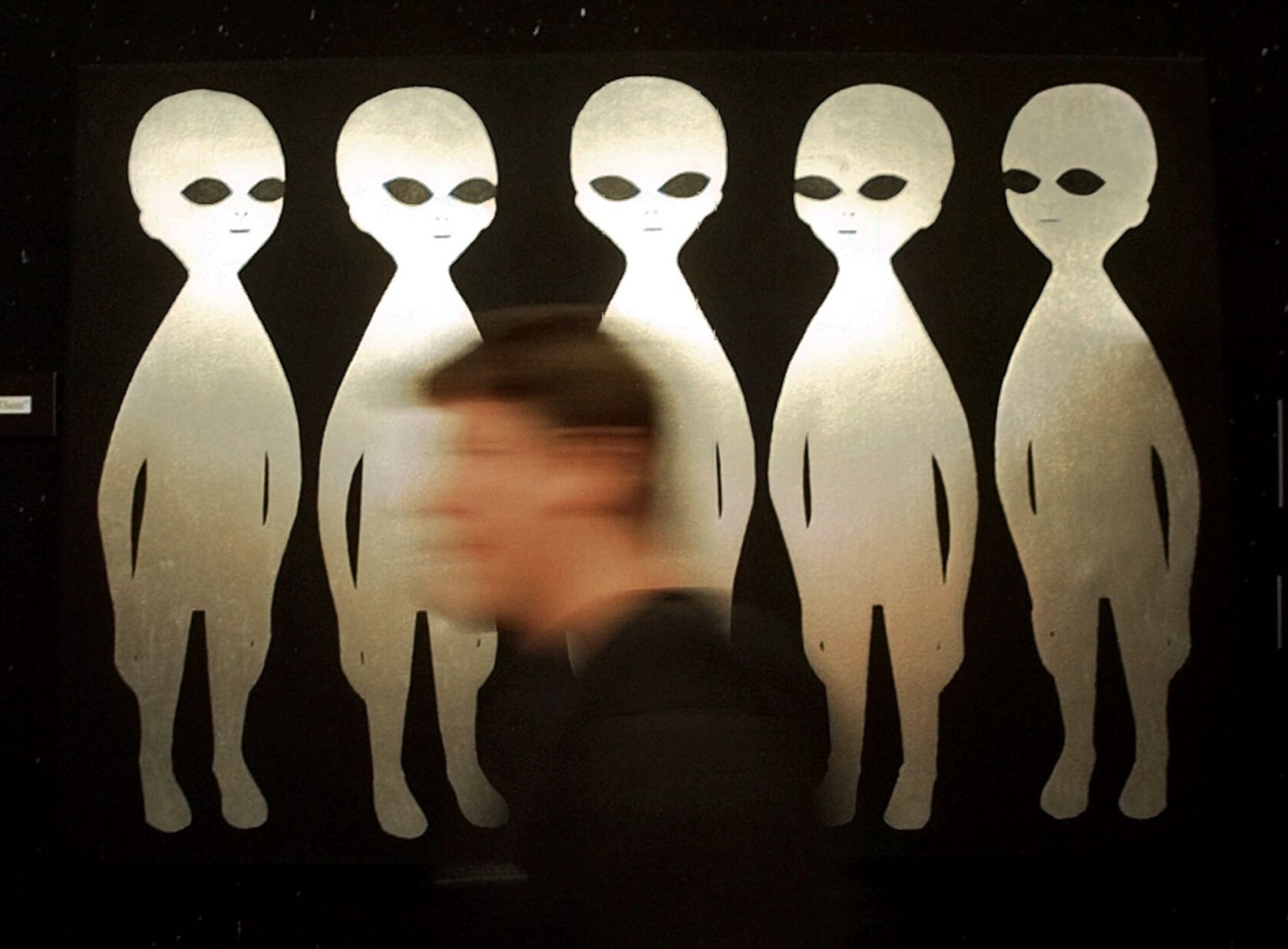
Photo by Heraldbanner
Key Takeaways:
- Trump orders release of UFO data
- Focus shifts from whether aliens exist to what they might think of humanity
- Theoretical physicist Avi Loeb stresses how our treatment of each other matters
- Human self-reflection becomes central to the UFO conversation
- Broader connections to politics, national security, and space exploration
The Call for UFO Disclosure
President Donald Trump’s directive to release previously confidential UFO data has reignited global fascination with the possibility of extraterrestrial life. Official documents, long the focus of speculation and rumor, are now poised to emerge into the public sphere. With this move, scientists and policymakers alike are bracing for new insights—and new debates—on the nature of unexplained aerial phenomena.
Asking a New Question
For generations, people have looked to the skies and wondered if aliens exist. However, this article poses a different riddle: “What would alien life from another planet think of us?” Instead of merely seeking proof of otherworldly visitors, the perspective widens to how Earth and its inhabitants might appear under interplanetary observation.
Avi Loeb’s Reflection
Theoretical physicist Avi Loeb offers a stark reminder that if advanced civilizations do exist, they may be keen observers of how we treat one another. While the details of the newly released data remain under wraps, Loeb’s point stands out: that humanity’s greatest revelation may come from seeing ourselves through extraterrestrial eyes.
Broader Implications
In addition to stirring public curiosity, the pending UFO disclosures span multiple realms—from national security concerns to lifestyle implications and technological leaps. Military leaders may look for possible threats or advanced capabilities, while scientists remain focused on the answers hidden in the night sky. Amid all this, the largest question lingers: if beings beyond Earth are watching, would our conflicts and achievements tell a story we are proud to share?
As the data emerges, so does a challenge: to reflect on human behavior and consider the example we set for any potential cosmic audience. The conversation about extraterrestrials is not only about whether they exist, but also about the identity we mold as a species—right here, on our shared planet.