Astronomers have revealed the brightest fast radio burst ever recorded, hovering at a distance of about 130 million light-years. This discovery was made possible by recent enhancements to the CHIME telescope, opening a promising new window into distant cosmic phenomena.
Subscribe
Breaking News
Space Technology
Astronomers spot brightest fast radio burst ever, just 130 million light-years away

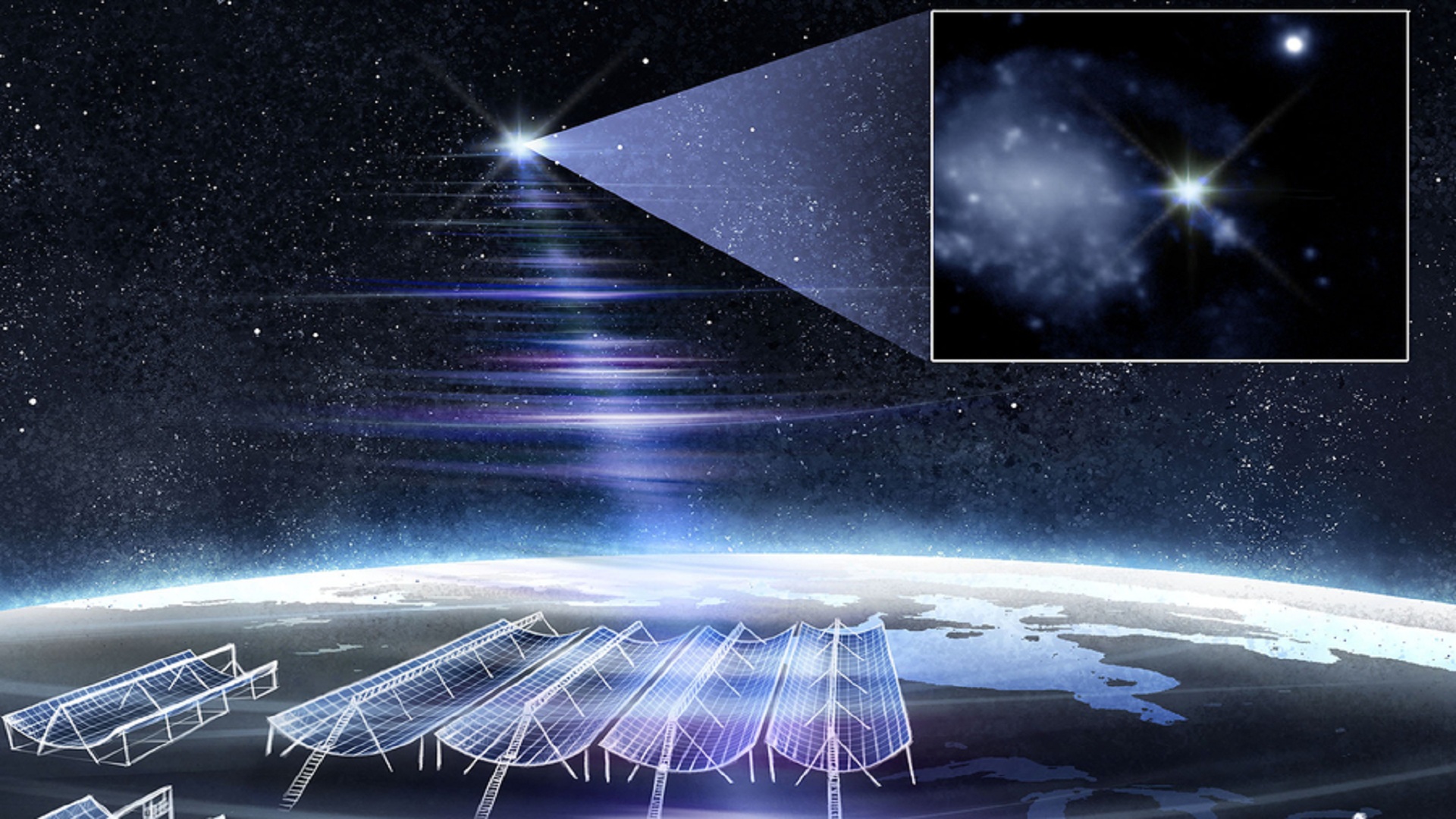
Photo by Interesting Engineering
Key Takeaways:
- Astronomers detected the brightest FRB ever observed.
- It is located nearly 130 million light-years away, relatively close by universal standards.
- Upgrades to the CHIME telescope were central to identifying this signal.
- This development highlights the importance of advancing astronomical technology.
- The finding was published by Interesting Engineering on August 22, 2025.
A Record-Breaking Burst
Fast radio bursts (FRBs) have long fascinated the astronomical community with their mysterious, transient nature. In an exciting turn of events, astronomers recently identified the brightest FRB on record, occurring approximately 130 million light-years from Earth.
A Primer on FRBs
FRBs are brief, intense spikes of radio waves that originate in distant galaxies. Their short duration makes them particularly challenging to detect, and many of their characteristics remain poorly understood. Each new observation offers valuable data, and a burst of unprecedented brightness provides especially potent clues for researchers.
CHIME’s Crucial Upgrade
The Canadian Hydrogen Intensity Mapping Experiment (CHIME) telescope has been at the forefront of FRB detections. Thanks to a deliberate upgrade, CHIME’s sensitivity and range of detection improved significantly. According to the news feed, this innovation was critical to spotting the record-breaking radio wave emission.
Implications for Astronomy
By capturing such a luminous FRB at a relatively “close” cosmic distance, scientists can gather clearer data about the event. This information further refines what we know about radio bursts, paving the way for new contributions to the ongoing study of our universe.
Looking Ahead
The detection of this exceptionally bright FRB conjures optimism in researchers eager to understand these energetic radio flashes. As observatories continue to refine their technologies, fresh discoveries involving the cosmos’ most powerful signals appear more likely than ever.