Facing a growing budget crisis and pushback from local unions, the Austin City Council is set to vote on a major efficiency overhaul. This measure comes on the heels of Proposition Q’s defeat and intensifying calls for stricter fiscal discipline at City Hall.
Subscribe
Breaking News
Policy Analysis
Austin council to vote on efficiency overhaul amid budget crisis, union concerns

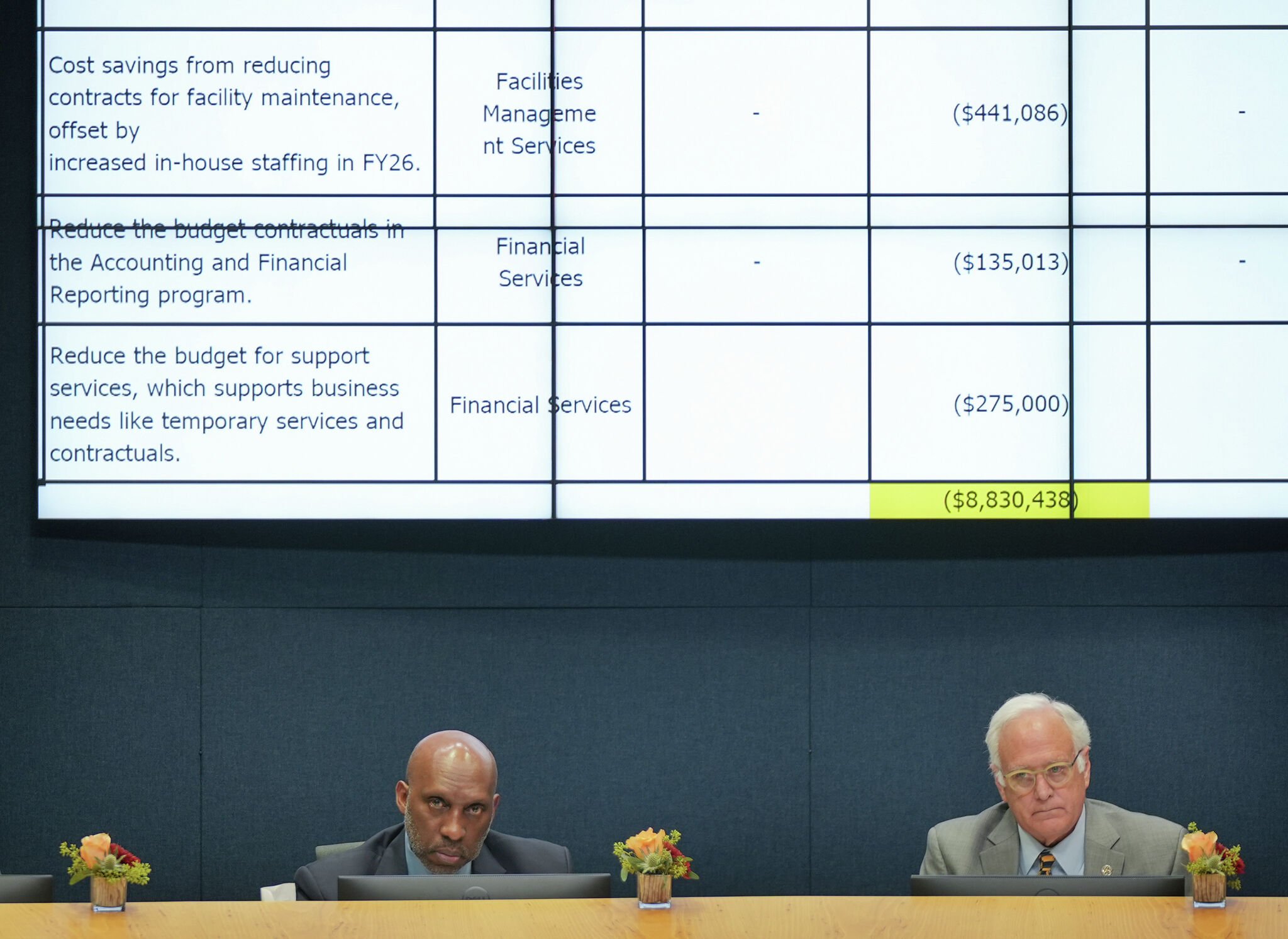
Photo by Austin American-statesman
Key Takeaways:
- The Austin City Council will vote on an efficiency overhaul.
- A budget crisis prompted the proposal.
- Local unions, including AFSCME, have voiced concerns.
- Proposition Q’s recent defeat plays a major role in the current debate.
- Advocates for the measure emphasize the need for greater fiscal discipline at City Hall.
Council’s Plan for Efficiency Overhaul
The upcoming vote by the Austin City Council seeks to establish a wide-ranging efficiency overhaul aimed at addressing operational inefficiencies in local government. According to the Austin American-statesman, the plan emerges as a direct response to budgetary concerns and increasing scrutiny from elected officials and the public.
Budget Crisis in Focus
City leaders have acknowledged the pressure of balancing critical services with limited resources. The push for efficiency is intended to stabilize funding, with council members emphasizing broader fiscal accountability in the face of current economic strains.
Union Concerns and Pushback
Local unions, notably AFSCME, have expressed reservations about how the proposed changes might affect city workers. While the measure’s supporters insist that the goal is to optimize resources, union representatives worry about potential repercussions on labor conditions and city staffing.
Prop Q’s Defeat and Its Repercussions
Earlier, Proposition Q was presented as a potential solution to municipal governance challenges but ultimately did not pass. The defeat of that proposal has amplified calls for a new approach, sparking renewed determination among some city leaders to explore more rigorous oversight.
Calls for Greater Fiscal Discipline
With Proposition Q no longer an option, the council’s current plan stresses the importance of curbing unnecessary expenditures at City Hall. Advocates for the overhaul argue that such steps are necessary to restore public trust and align city spending with core responsibilities.
The Road Ahead
As consequences of the budget crisis continue to loom, the vote represents a pivotal moment. Attention now turns to Austin’s Audit and Finance Committee and local stakeholders to shape how the proposed efficiency measures will be implemented, signaling potential shifts in how operations are managed and funded across the city.