Four men, once charged in Austin’s “yogurt shop murders,” await a pivotal court decision that could finally clear their names. A Travis County judge is expected to exonerate them, marking a turning point for this decades-old case.
Subscribe
Breaking News
Austin yogurt shop murders case returns to court 34 years later: What to know

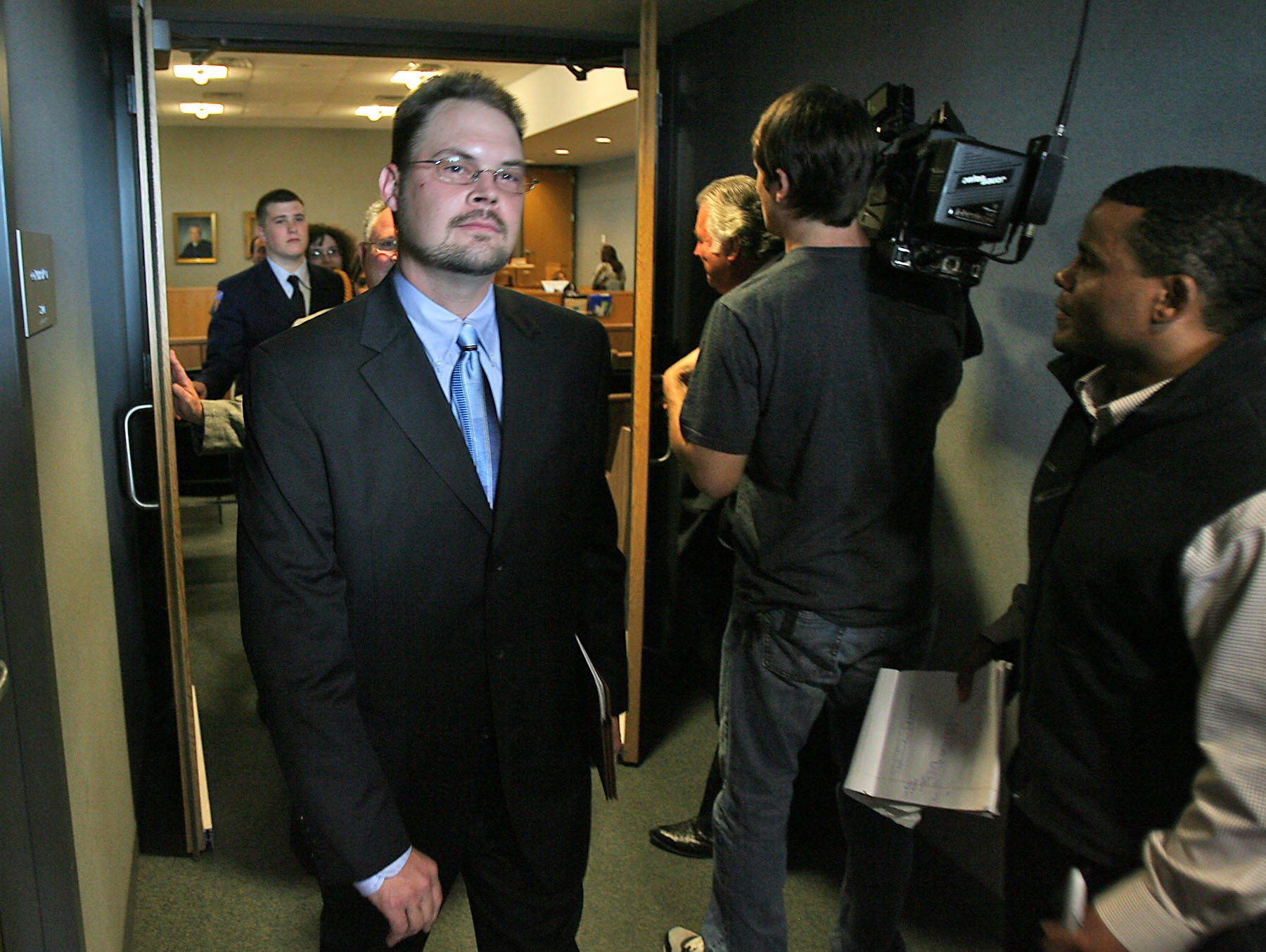
Photo by Austin American-statesman
Key Takeaways:
- The “Austin yogurt shop murders” took place 34 years ago.
- Four men were falsely accused in connection with the crime.
- A Travis County judge intends to exonerate the men.
- The murders happened at an “I can’t believe it’s yogurt” store on West Anderson Lane.
- This long-running case reflects broad concerns about wrongful accusations in the criminal justice system.
Background of the Yogurt Shop Murders
The events date back 34 years to a crime that came to be known as the “Austin yogurt shop murders.” Centered on a now-infamous “I can’t believe it’s yogurt” location on West Anderson Lane, this tragedy shocked the city and became a focal point of public anxiety.
The Falsely Accused
In the wake of the murders, four men were brought into the spotlight as suspects. Over time, mounting evidence and shifting testimonies highlighted serious discrepancies in the accusations levied against them. Despite earlier allegations, they have since been identified as falsely accused, prompting a renewed call for an official exoneration.
Return to Court: The Exoneration
At the Blackwell-Thurman Criminal Justice Center in Travis County, a judge is expected to formally exonerate these four individuals. The court proceeding, set for Thursday, could end years of speculation and suspicion that have surrounded the case. Legal experts and community members alike are awaiting the final decision with anticipation.
Impact on Austin
With decades of unresolved questions, the impact of this case on the city’s collective memory cannot be overstated. It shaped local discussions about safety and justice, leaving the community grappling with lingering uncertainty. Many hope that clearing these men’s names will help strengthen public trust in the legal process, even as it reopens old wounds for survivors and the broader community.
Looking Ahead
If the judge proceeds with the expected exoneration, it will mark a significant moment in Austin’s local history. Observers see it as a reminder of how justice can be delayed—but not always denied. This outcome also stands as a testament to the legal system’s challenges in handling complex cases over lengthy periods, affirming the importance of continuous review and rigorous oversight in criminal investigations.