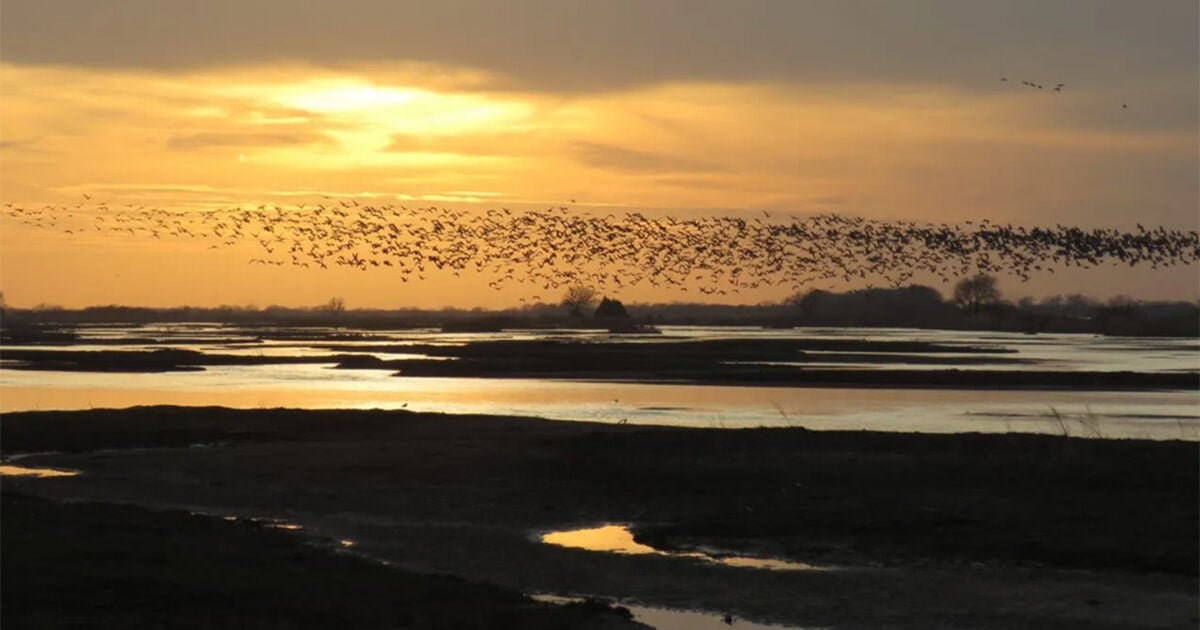
The University of Nebraska–Lincoln’s decision to discontinue its atmospheric sciences department has raised alarms among experts. By ending a vital training ground for meteorologists and geologists, Nebraska may risk losing essential expertise to monitor violent storms and safeguard precious groundwater.
Subscribe
Analysis and Opinions
Breaking News
Bad for ag: Axing of UNL’s atmospheric sciences department will harm Nebraska, researchers say

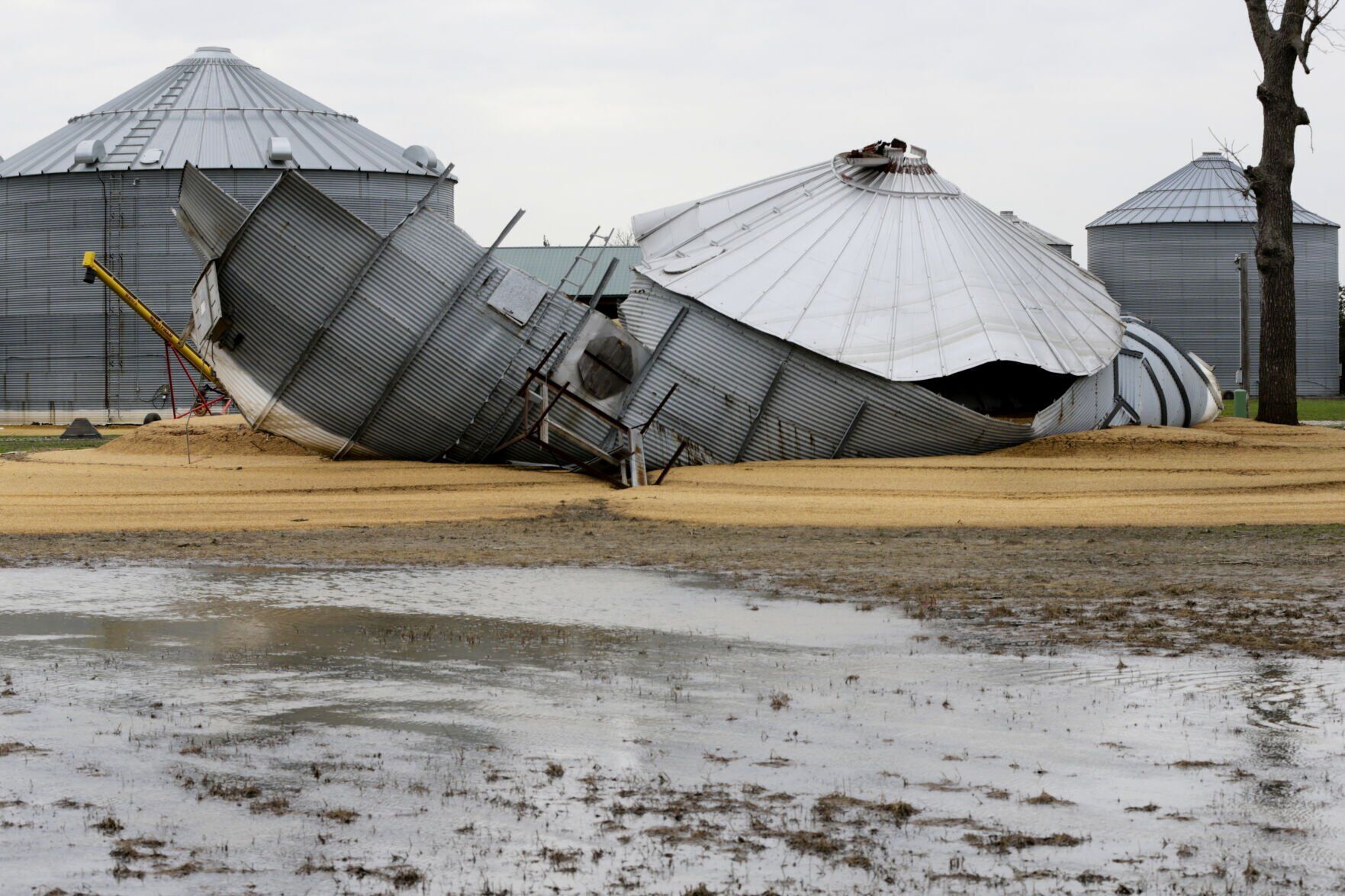
Photo by Fremonttribune
Key Takeaways:
- UNL is closing its atmospheric sciences department.
- Researchers warn the move will harm Nebraska’s agriculture.
- Homegrown experts in meteorology and geology will no longer be trained at the flagship campus.
- Severe weather monitoring and groundwater research hinge on specialized knowledge.
- The closure could leave the state vulnerable to future environmental threats.
Department Closure Sparks Concern
The University of Nebraska–Lincoln’s flagship campus is eliminating its atmospheric sciences department, igniting widespread alarm among researchers. Many say the decision will have far-reaching consequences for Nebraska, a state frequently grappling with severe weather and reliant on accurate forecasts.
Role of Meteorology and Geology
Meteorologists and geologists trained by UNL have long been critical in monitoring tornados, storms, and groundwater levels. By shutting down the program, Nebraska loses a crucial source of experts who understand local weather patterns and the state’s complex geology.
Impact on Agriculture
Agriculture stands as one of Nebraska’s economic backbones. Experts emphasize that farmers depend on precise weather predictions to safeguard crops and manage resources. Groundwater studies are equally vital, especially in areas vulnerable to drought. As one researcher put it, the decision to eliminate the department will be “bad for ag,” underlining the importance of meteorological and geological expertise for future crop yields and soil health.
Researchers’ Concerns
Local scientists caution that without a pipeline of homegrown meteorologists and geologists, Nebraska will struggle to respond effectively to sudden weather disasters and conserve water resources. According to the researchers speaking out, eliminating the program removes the opportunity for in-state training, forcing aspiring professionals to pursue education elsewhere—or forego it entirely.
Future Outlook
Nebraska has traditionally turned to local professionals for weather and groundwater expertise. With the closure of UNL’s atmospheric sciences department, the state may now face a shortage of scientists who grasp the unique demands of its climate and terrain. To many, this development raises concerns about Nebraska’s preparedness in an era of increasingly volatile weather.