Iranian archaeological marvels like Persepolis and Pasargadae face growing threats from antiquities traffickers. An urgent call from an opinion contributor presses the White House to act now by shutting down financial and trade channels that enable looting and illicit trade.
Subscribe
Analysis and Opinions
Ancient Civilizations
Historical Sites
International Politics
Middle East
Policy Analysis
Before looters move in, strengthen Iran sanctions on antiquities trafficking

Key Takeaways:
- Iran’s ancient cultural heritage stands at serious risk.
- The call focuses on strengthening sanctions against antiquities trafficking.
- Treasury and customs authorities play a critical role in enforcing tighter controls.
- Persepolis and Pasargadae are two threatened heritage sites.
- Swift government intervention is urged to protect the nation’s artifacts.
A Threat to Iran’s Cultural Legacy
Iran is home to some of the world’s most remarkable ancient sites, including Persepolis and Pasargadae. However, these treasures are increasingly vulnerable to looters looking to profit from the illicit trade in antiquities. As tensions in the region continue, there is a growing concern that destructive criminal activity could escalate, causing irreversible harm to cultural landmarks that have stood for centuries.
Why Sanctions Must Strengthen
According to a recent opinion piece, the White House should move quickly to shut down any financial and trade channels accessible to antiquities traffickers. The call to action underlines the crucial role that U.S. sanctions can play in limiting the ability of smugglers to move stolen artifacts across borders. By making it more difficult to finance these illegal operations, policymakers can take a concrete step to preserve a civilization’s heritage.
The Role of Government Agencies
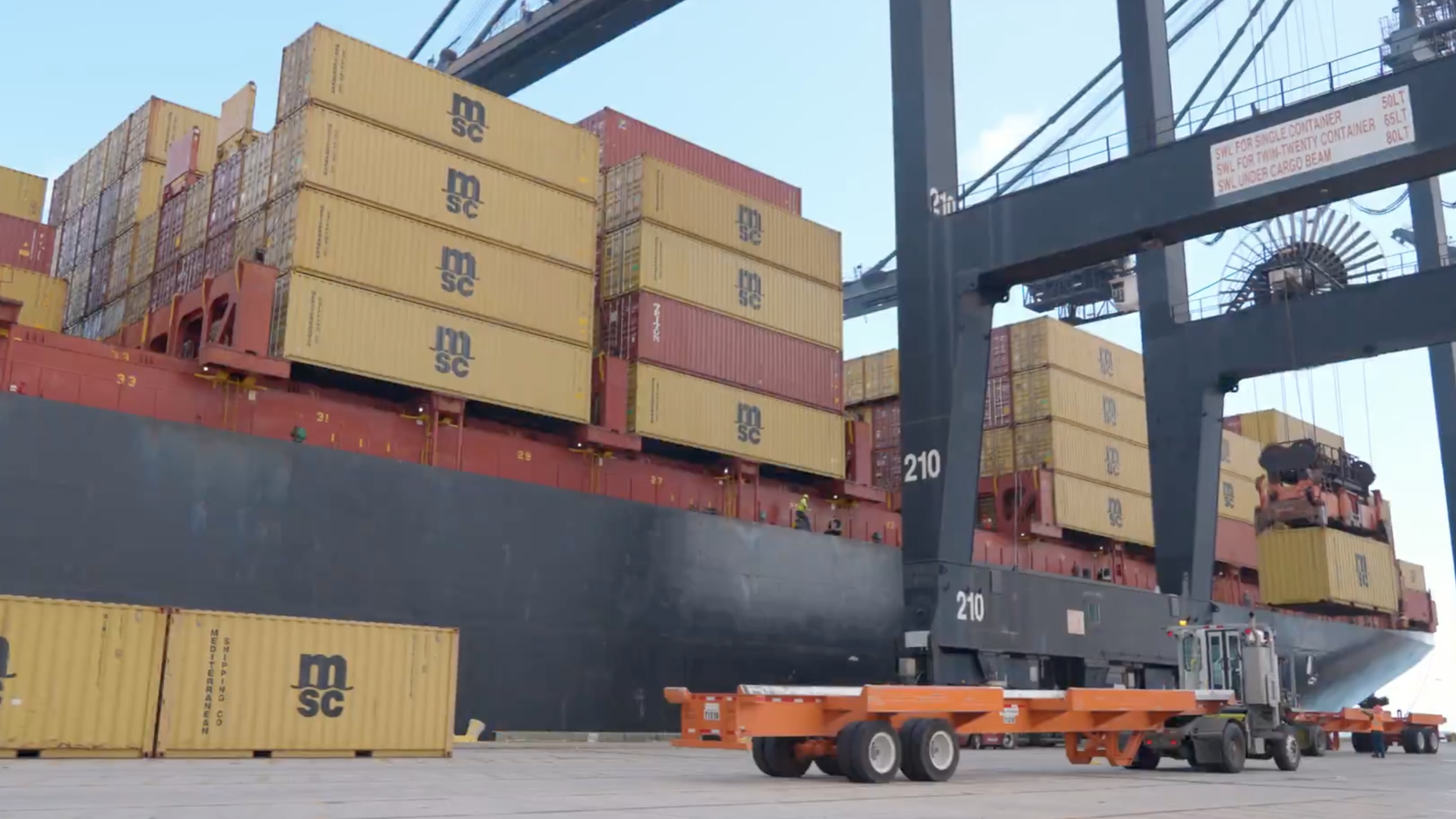
Treasury and customs authorities are key players in this effort. Their enforcement capabilities enable them to track suspicious transactions and intercept illegal shipments before the artifacts ever reach the black market. The article mentions the Islamic Revolutionary Guard Corps (IRGC) in the broader context of Iran’s security apparatus, suggesting that multiple layers of authority could either facilitate or hamper the movement of illicit goods.
A Race Against Looters
Time is of the essence. The urgency expressed in the article reflects a fear that looters will strike ancient sites before stricter sanctions can be enacted and enforced. Once smuggled away, priceless artifacts are likely lost to collectors and black markets, making the cultural rupture permanent. By addressing the situation proactively, the White House and allied agencies can help safeguard Iran’s historical identity for generations to come.