A new bill aims to ban the use of sewage sludge containing PFAS, also known as “forever chemicals,” from being spread on farm fields. This legislation, which earned initial support from a state Senate panel, highlights a growing concern about the health and environmental risks posed by PFAS.
Subscribe
Environmental Laws
Policy Analysis
Bill would ban spreading sludge containing PFAS on fields

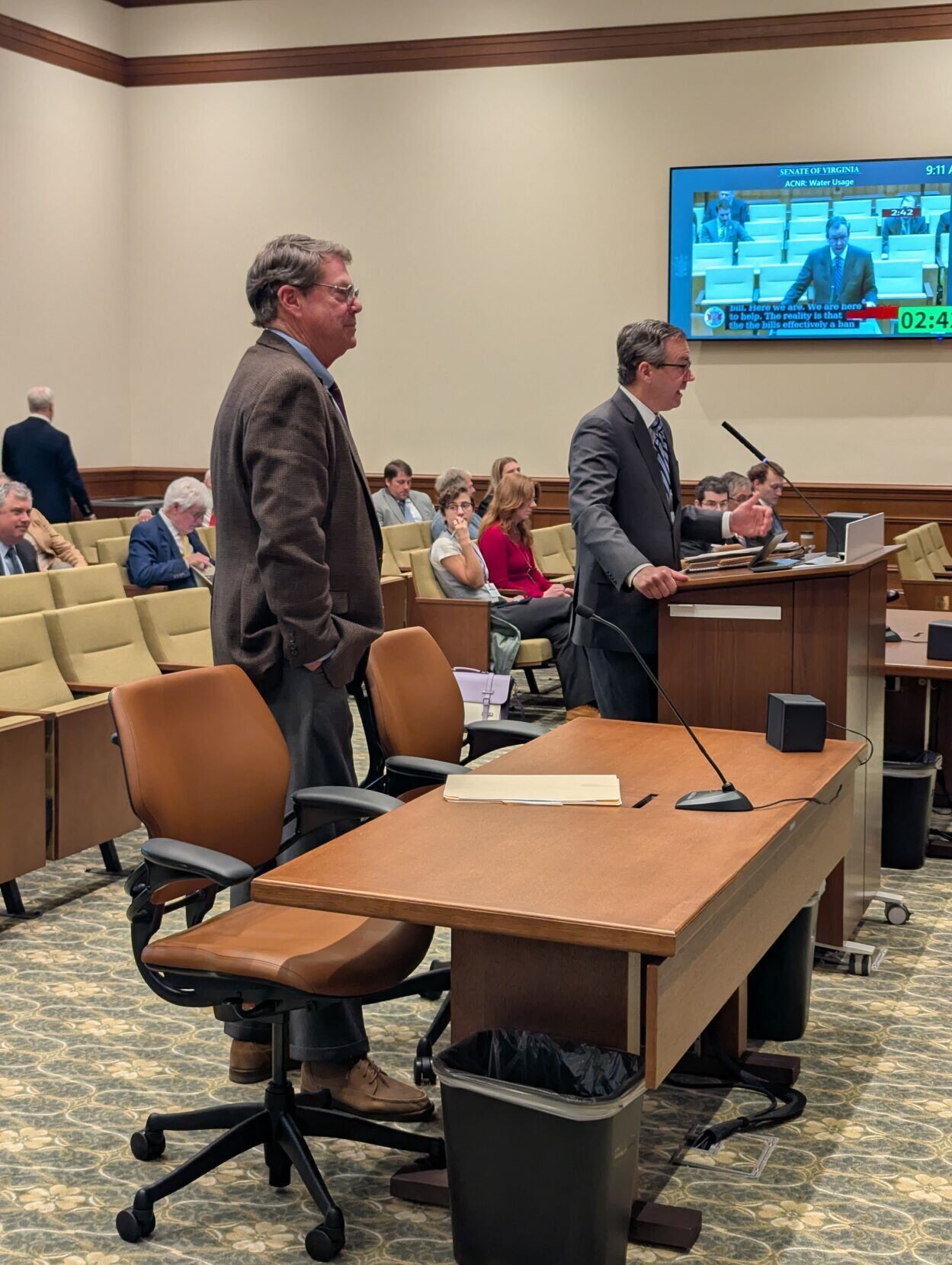
Photo by Starexponent
Key Takeaways:
- A bill would prohibit the use of PFAS-laden sludge as fertilizer
- PFAS, often called “forever chemicals,” are known for their persistence in the environment
- State Senate panel approval signals positive momentum for the legislation
- Agricultural practices could be significantly affected by the proposed ban
- The measure reflects rising political and public awareness of environmental contaminants
Legislative Push for PFAS Ban
A proposed bill to ban the use of sewage sludge as fertilizer when it contains PFAS—commonly referred to as “forever chemicals”—has taken a step forward. According to a recent report, a state Senate panel gave the measure a “thumbs-up,” bringing it closer to becoming law. The bill specifically targets PFAS contamination, which lawmakers and environmental advocates worry can seep into farmland and water supplies.
What Are “Forever Chemicals?”
PFAS are called “forever chemicals” due to their ability to persist in the environment over long periods. While the bill does not detail the full scope of PFAS-related health risks, its language clearly focuses on preventing any detectable levels of these contaminants from entering fields through sewage sludge.
Potential Effects on Agriculture
Sewage sludge, often used as a fertilizer, plays a significant role in boosting soil nutrient content. By restricting sludge that contains PFAS, the bill could reshape how certain farms manage their soil and could prompt alternative fertilization strategies.
Future Steps
Though the state Senate panel has given its initial endorsement, the legislation will likely undergo further scrutiny and debate. If it becomes law, it may set a precedent for managing “forever chemicals.” For now, the proposal serves as a clear signal: lawmakers are taking growing environmental concerns about PFAS seriously and moving toward stricter regulations.