Plastic pollution has become one of the most pressing environmental issues of our time. With global plastic production expected to surge from 311 million metric tons in 2014 to potentially over a billion by 2050, the need for sustainable alternatives is more critical than ever (expected surge in plastic production). The search for solutions has led to the development of bioplastics and other innovative materials that could potentially replace conventional plastics.
Subscribe
Plastic Waste
Bioplastics and Other Alternatives: Can They Replace Traditional Plastic?

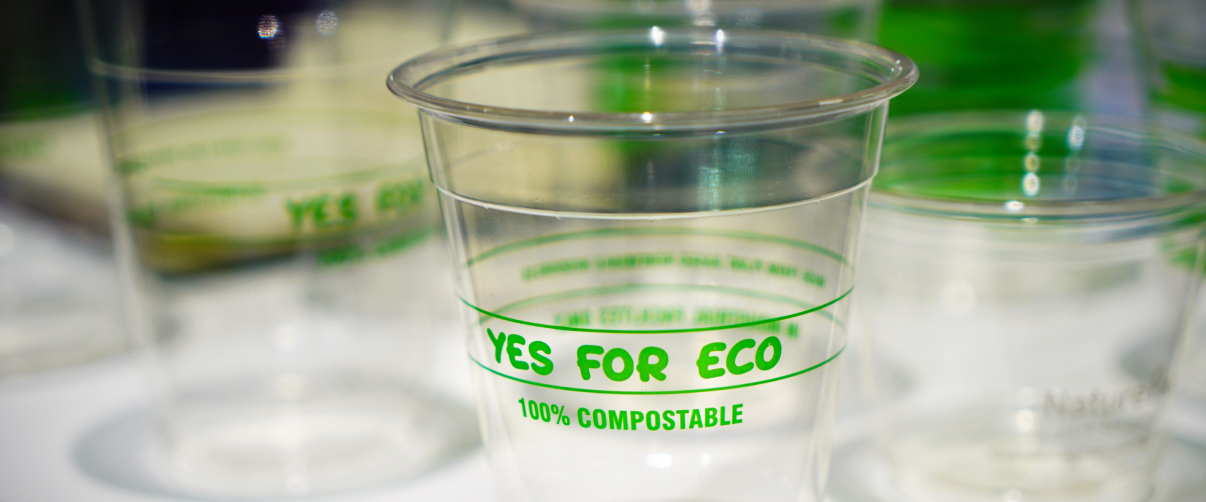
Image: @shutterstock 1617481993
Bioplastics: An Overview
Bioplastics are derived from renewable plant sources such as corn, sugarcane, and even algae. Unlike traditional plastics made from nonrenewable fossil fuels like crude oil and natural gas, bioplastics use components like starch, cellulose, and lactic acid to create materials that can reduce our carbon footprint. The process involves extracting plant-based sugars, which are then fermented into lactic acid to create polymers (bioplastics production).
There are various types of bioplastics, including:
- Cellulose-based bioplastics: Made from the cellulose found in plant cell walls.
- Starch-based bioplastics: Derived from natural polymers in plants and are fully biodegradable.
- Protein-based bioplastics: Sourced from proteins like casein or gluten, used in niche applications such as medical sutures.
- Organic Aliphatic Polyesters: Such as polylactic acid (PLA), used in various fields due to their biodegradability (types of bioplastics).
Potential Benefits of Bioplastics
Bioplastics offer several environmental advantages over petrochemical-based plastics. They have the potential to reduce greenhouse gas emissions throughout their lifecycle, with some producing significantly fewer carbon emissions—approximately 0.828 metric tons of CO₂ per metric ton of bioplastics compared to 2.4 metric tons for traditional plastics. This reduction supports global efforts to mitigate climate change impacts (emissions comparison).
Moreover, bioplastics can help decrease our dependency on finite fossil resources and contribute to a circular economy. They open up possibilities for job creation and diversification of agricultural markets, offering economic benefits alongside environmental ones (economic benefits).
Challenges and Limitations
Despite their promise, bioplastics face significant challenges. One of the primary issues is that not all bioplastics are biodegradable or compostable. Some bioplastics behave like conventional plastics in the natural environment, sometimes taking years to decompose, especially if not properly managed.
Compostable bioplastics are designed to break down under specific conditions found in commercial composting facilities, which involve high temperatures and controlled moisture levels. These conditions are difficult to replicate in the natural environment or backyard compost piles. Therefore, the lack of appropriate infrastructure and facilities for processing compostable plastics limits their effectiveness in reducing plastic pollution.
Additionally, the production of bioplastics often involves the use of agricultural resources, raising concerns about land use, water consumption, and the impact on food supply chains. The environmental footprint of cultivating feedstock for bioplastics can sometimes offset the benefits they provide.
Cost is another hurdle. Bioplastics generally are more expensive to produce than traditional plastics, which can hinder widespread adoption. Moreover, scaling up production to meet global demand poses significant challenges (cost and scalability issues).
Alternative Approaches
Experts argue that recycling and reusing existing plastics may be more effective than solely focusing on developing new bioplastics. A study by the Pew Charitable Trusts, “Breaking the Plastic Wave,” calls for a $600 billion overhaul to increase plastic recycling and reduce waste by 80% over the next two decades. This approach emphasizes eliminating unnecessary plastic packaging, improving recycling technologies, and expanding recycling infrastructure, especially in lower-income regions where most ocean plastic originates.
Extended Producer Responsibility (EPR) is highlighted as a strategy to shift the burden of recycling from governments to producers. By holding companies accountable for their products’ end-of-life impact, EPR encourages the development of more sustainable practices and materials.
Corporate and Legislative Initiatives
Some corporations are taking steps toward sustainability. For instance, Coca-Cola has introduced the PlantBottle, a container partially made from plant-based materials. However, it’s important to note that it still predominantly relies on oil-based plastic, and the marketing can give a misleading impression of being a comprehensive solution.
Companies like PepsiCo are also exploring ways to reduce virgin plastic content and invest in recycling technologies. These initiatives reflect a growing corporate awareness of the need to address plastic pollution (corporate efforts).
On the legislative front, the Biden administration released a report in 2023 aiming to replace 90% of current plastics with bioplastics within two decades. In Europe, policy frameworks are being developed to raise awareness and adoption of bioplastics, with the EU accounting for 26.5% of global bioplastic production capacity.
Conclusion
While bioplastics present a promising alternative to traditional plastics, they are not a panacea. The challenges associated with their production, disposal, and scalability mean that bioplastics alone cannot solve the world’s plastic pollution problem. A multifaceted approach is required—one that includes reducing single-use plastics, improving recycling infrastructure, implementing extended producer responsibility, and promoting sustainable practices across industries.
The transition toward more sustainable materials is essential, but it must be accompanied by systemic changes in how we produce, consume, and dispose of plastics. Only through collective efforts can we hope to address the environmental impacts of plastic pollution and move toward a more sustainable future.