Families fighting type 1 diabetes may soon see relief from a high-stakes financial burden. A bipartisan bill aimed at lowering the cost of insulin offers fresh hope, highlighted by the story of a Mississippi toddler who relies on pricey monthly supplies.
Subscribe
Health Insurance
Healthcare Reforms
Policy Analysis
Bipartisan Bill to Lower Insulin Costs Has Diabetes Advocates Hopeful

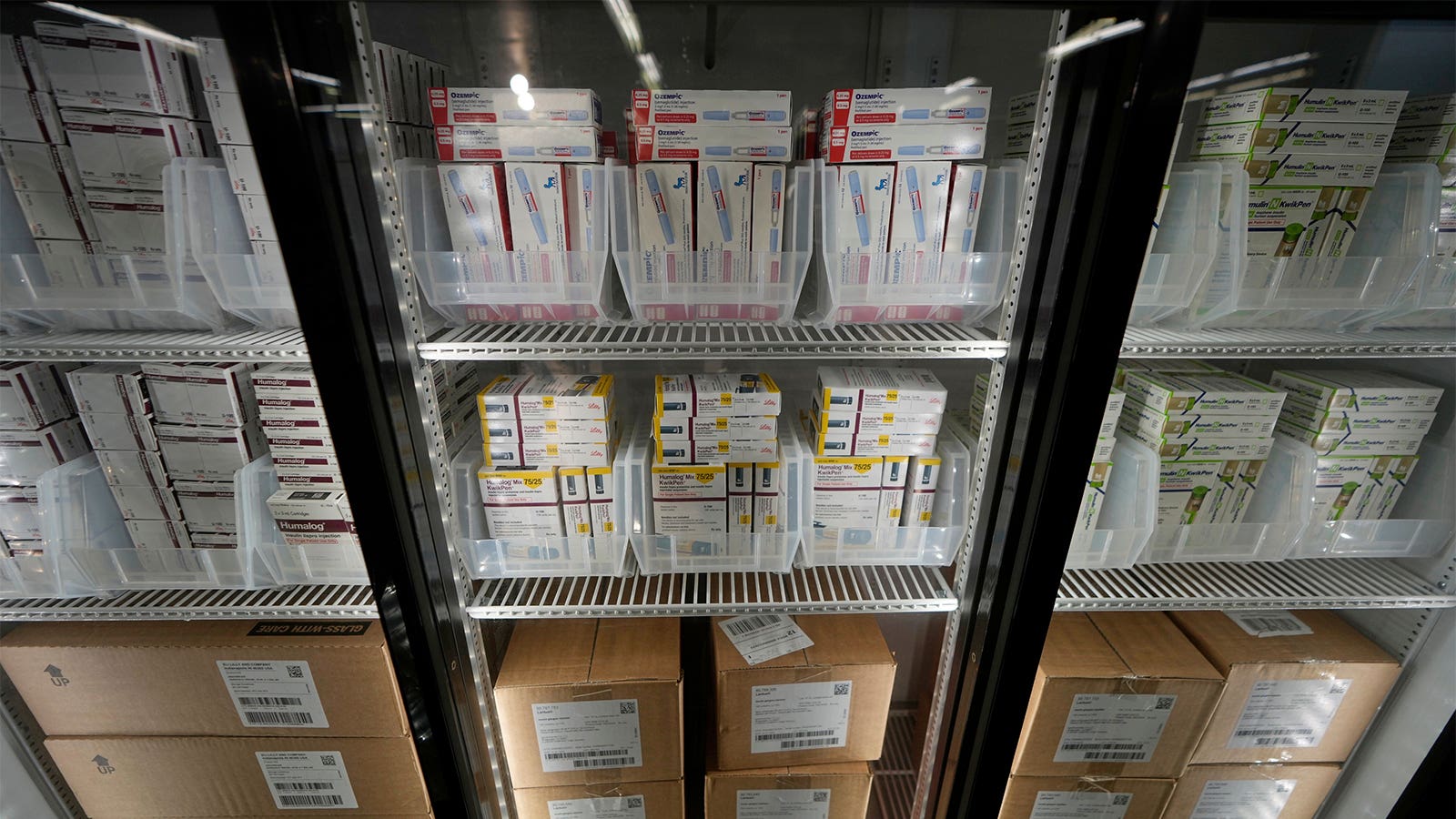
Photo by Medpagetoday
Key Takeaways:
- A bipartisan measure is in the works to reduce insulin costs.
- Two-year-old Bain Brandon’s insulin needs highlight the daily financial strain.
- Even with health insurance, insulin can be prohibitively expensive.
- Advocates say the bill could be a lifesaver for millions with type 1 diabetes.
- Hopes are pinned on a legislative breakthrough in Congress.
The Cost of Lifesaving Medication
Insulin remains an essential treatment for diabetes patients, yet it can carry steep financial demands. As reports of rising prescription prices persist, families across the nation are grappling with the pressure of monthly budgets stretched thin by medical requirements.
Bain’s Story
Two-year-old Bain Brandon of Mississippi has type 1 diabetes and depends on insulin every day. According to his family, “the price tag isn’t cheap”—even with health insurance. They juggle a 1-month supply of insulin vials along with a 3-month supply of backup pens to assure Bain gets the vital care he needs.
A Bipartisan Push in Congress
A new bill, backed by members from both major political parties, aims to address these painful costs. While full details have yet to be outlined, diabetes advocates remain optimistic that solutions are within reach. They see this legislative effort as a critical step toward easing the financial strain for families like the Brandons.
The Broader Picture
Bain’s experience reflects a nationwide reality. Across the United States, many individuals who need insulin face hefty out-of-pocket expenses. In turn, healthcare specialists and patient communities have called on lawmakers to recognize the urgency of the issue.
What Comes Next
With advocates and families watching closely, the outcome of this bipartisan commitment may shape the future of insulin affordability. For families like the Brandons—and for countless others—lower insulin costs would mean more than just financial relief: it could be the difference between precarious budgeting and peace of mind.