Bird migration in northeast Wyoming has taken an unexpected turn this winter, with warmer temperatures delaying the usual departure of summer birds. In turn, Arctic species that often arrive with colder conditions are also taking their time, reflecting a broader shift in regional wildlife patterns.
Subscribe
Global Warming Effects
Wildlife Protection
Birds in flight: Warmer temperatures stall bird migration to northeast Wyoming

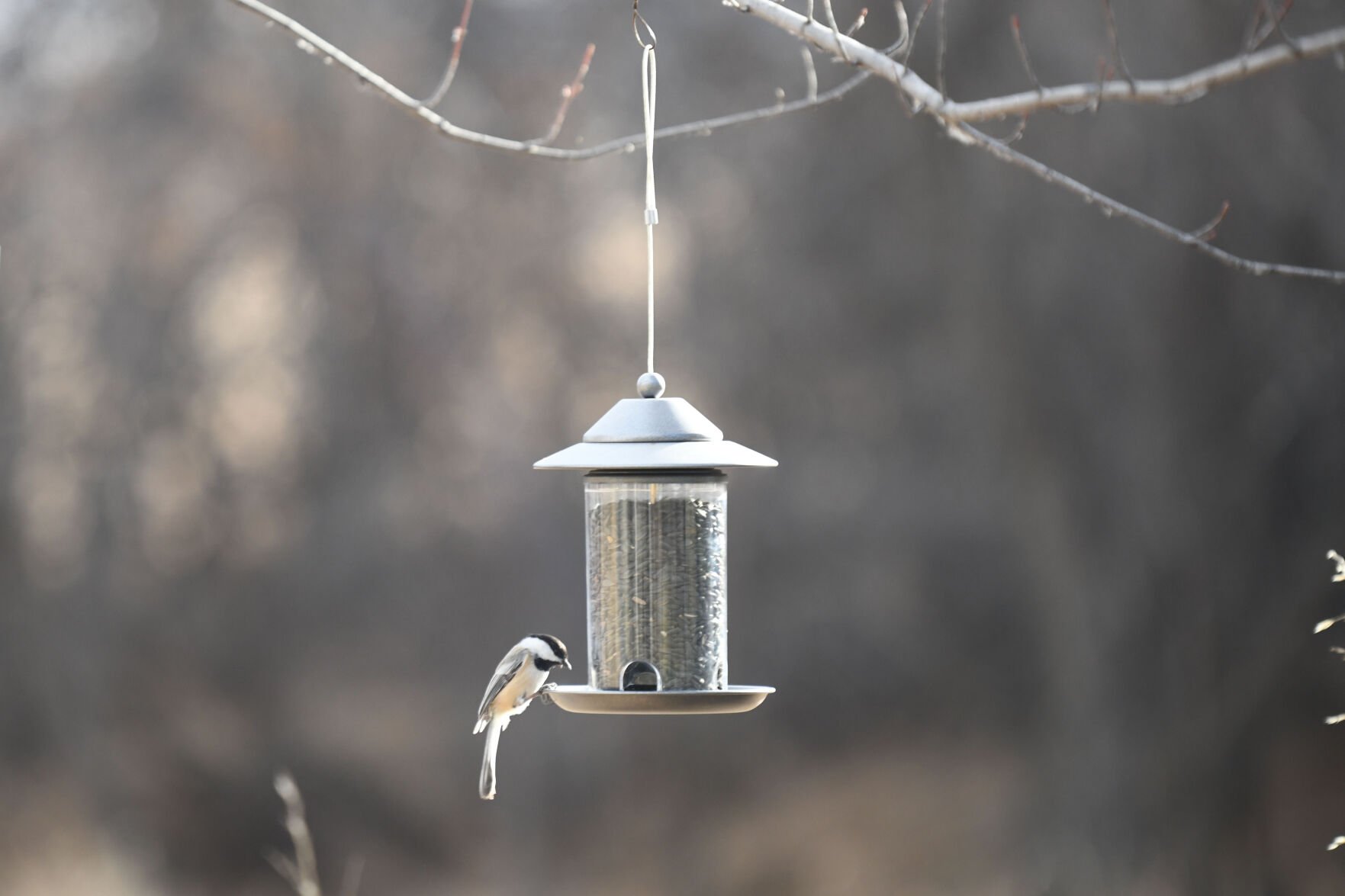
Photo by Thesheridanpress
Key Takeaways:
- Warmer winters in northeast Wyoming have stalled typical bird migration.
- Many of Wyoming’s summer birds fly south later than usual.
- Arctic bird species, normally winter arrivals, are also delayed.
- The Bighorn Audubon Society and Wyoming Game and Fish Department monitor these shifts.
- This story was originally reported on 2026-01-10 by The Sheridan Press.
Overview of Warmer Winters
Mild winter weather in northeast Wyoming has caused an unusual hold on bird migration, prompting concern among local wildlife observers. “As temperature drops and snow falls, many of Wyoming’s summer birds fly south to warmer climates,” the original report notes. This year, however, those drops have come later, disrupting the normal cycle of arrivals and departures.
The Arctic Connection
In the absence of consistently cold conditions, species from the far north are not arriving at their usual pace. According to the original story’s description, “In their wake comes a variety of birds from as far north as the Arctic,” yet these northern visitors seem to be taking longer to appear. Wildlife enthusiasts are watching closely to see if the numbers of Arctic species change as winter wears on.
Monitoring and Conservation Efforts
Local organizations like the Bighorn Audubon Society and the Wyoming Game and Fish Department continue to track bird movements. Although the full details of their findings were not publicly shared in the report, their ongoing observations remain vital to understanding how temperature fluctuations can influence migratory routes. Their research provides important insights, helping communities stay informed about the region’s shifting biodiversity.
Looking Ahead
As milder stretches of weather persist, experts and hobbyists alike aim to see whether future winters will follow a similar pattern. With a variety of migratory species in flight, northeast Wyoming’s skies offer a glimpse into how climate nuances can reshape long-held natural rhythms. By keeping an eye on local data, organizations and residents hope to adapt and better protect the birds that travel through the region each year.