A small herd of six American bison recently took their first steps on 38 acres of restored prairie in Kane County, Illinois, marking their first appearance in the region in two centuries. Conservationists and community members view this as a milestone for restoring native wildlife and recognizing Indigenous heritage.
Subscribe
Wildlife Protection
Bison return to Kane County after 200 years, a crucial step for conservation and Indigenous connection

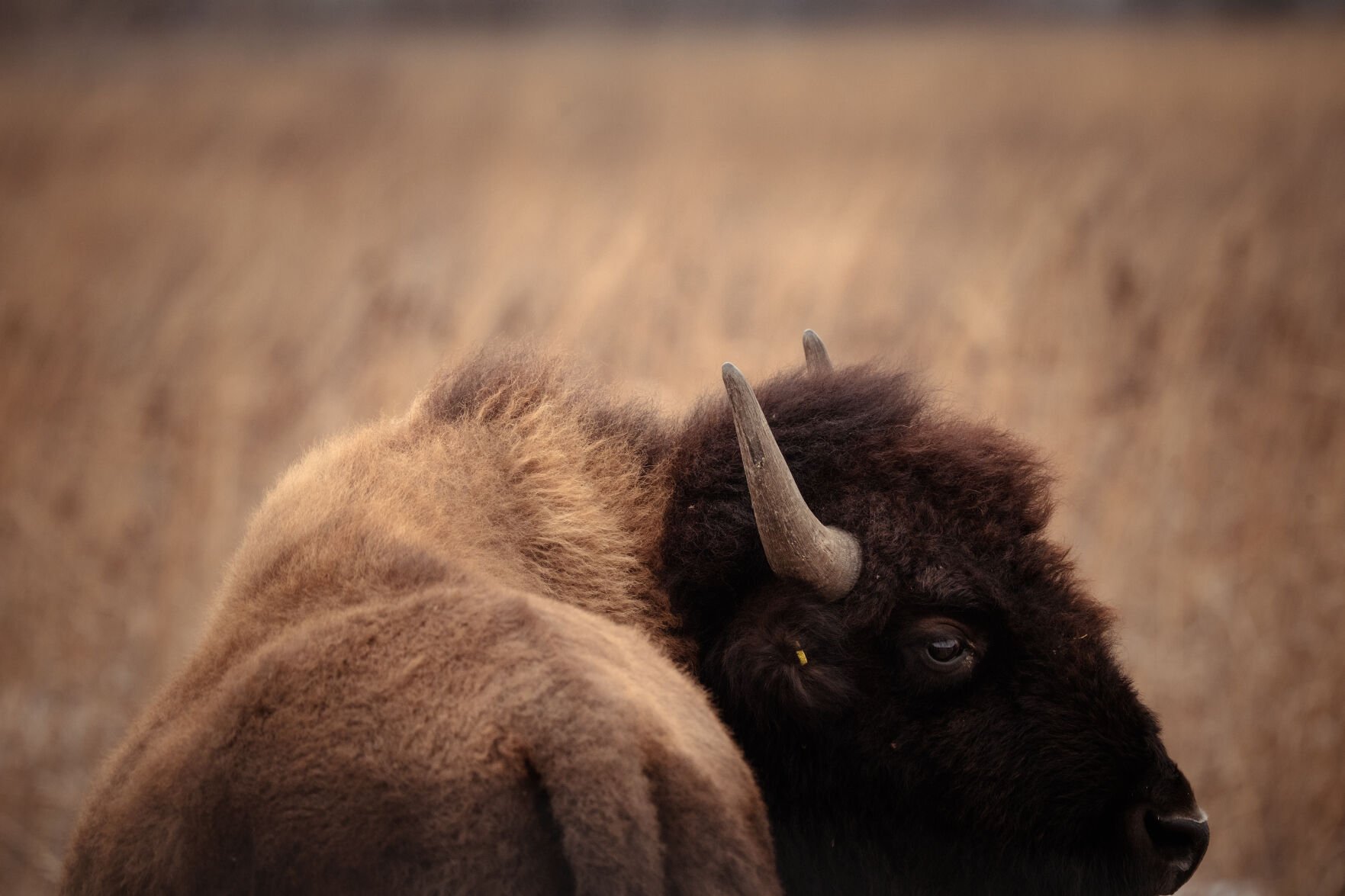
Photo by Pantagraph
Key Takeaways:
- Bison have returned to Kane County after 200 years
- Six American bison now inhabit 38 acres of restored prairie
- The Kane County Forest Preserve District oversees this effort
- The move is considered vital for local conservation efforts
- Reintroducing bison fosters Indigenous connections to the land
The Return of the Bison
Earlier this month, a small herd of six American bison made history by stepping onto 38 acres of restored prairie in Kane County. Their arrival marks the first time in two centuries that these iconic animals have roamed this part of Illinois, symbolizing a pivotal moment for wildlife enthusiasts and local residents alike.
Ecological Significance
Bison have long been praised for their ability to help manage and balance prairie ecosystems. Conservation experts often credit them with preventing the overgrowth of certain plant species and promoting the diversity of native flora. By grazing on the restored grasslands, these six bison are expected to enrich the habitat, making it more resilient for other wildlife.
Cultural and Indigenous Connections
Beyond their ecological role, bison hold important cultural significance for many Indigenous communities. Their reintroduction to Kane County, described by local officials as a crucial step, resonates with efforts to reconnect modern conservation practices with longstanding cultural bonds.
A Shared Effort
The Kane County Forest Preserve District played a key part in restoring the prairie that now hosts the new herd. In undertaking this project, the district coordinated resources and expertise to ensure a safe, sustainable environment for the bison. Officials plan to monitor the animals closely to track their health and the state of the prairie as time goes on.
Looking Ahead
As these bison settle into their restored habitat, researchers and conservationists will observe how their presence shapes the local landscape. They hope to gather data that will guide future efforts to restore native populations and habitats across the region. For now, the sight of America’s largest mammal roaming the prairies of Kane County stands as a powerful reminder of nature’s ability to rebound when given the chance.