For years, “bigger is better” has been the guiding principle of home construction. Yet an emerging viewpoint challenges this assumption, suggesting that a carefully planned layout may be more significant than raw square footage in today’s market.
Subscribe
Market Trends
Building Smart in Today’s Housing Market: Why Planning Matters More Than Square Footage


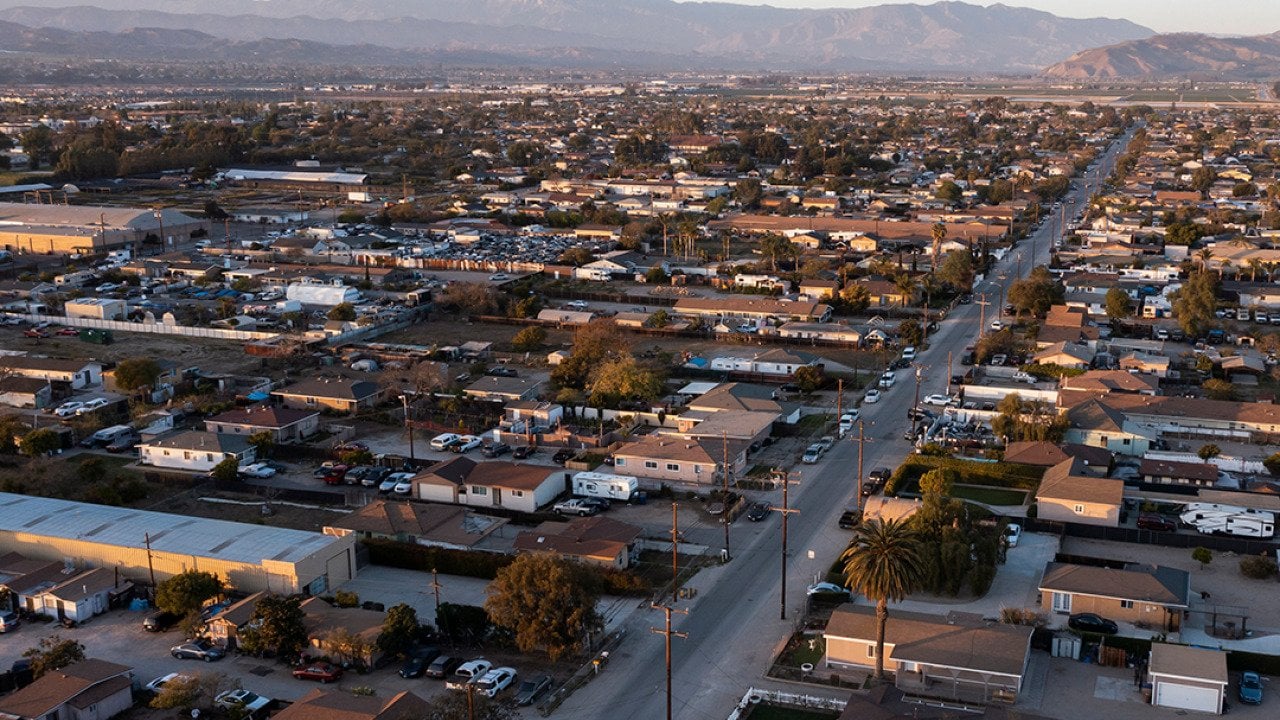
Photo by Thedailynewsonline
Key Takeaways:
- The real estate sector traditionally values large properties above all else.
- Many homebuyers have been “conditioned” to focus on total square footage.
- Recent conversations highlight planning and design as powerful alternatives.
- Economic drivers like mortgage interest rates add urgency to more thoughtful construction.
- A shift toward “building smart” may inform future real estate trends.
The Traditional ‘Bigger Is Better’ Mindset
In the world of real estate, there is a real sense that bigger is better. This mindset has been the gold standard for quite some time, influencing how people buy, sell, and build homes. Large floor plans became symbols of status, suggesting that the more square feet you had, the more value and distinction you held in the market.
Why Planning Matters
Today’s housing market, however, is increasingly concerned with function and purpose. Many of us are conditioned to believe that total square footage is the most crucial element of a home. Yet thoughtful planning—designing each room for actual usability—can produce a living space that feels more expansive and efficient, even if technically smaller. Homeowners and builders alike are beginning to realize that a house that suits their exact needs may prove more advantageous than a sprawling, underutilized floor plan.
Confronting the Square Footage Standard
Behind this reevaluation are growing economic factors. Mortgages, down payments, and fluctuating interest rates can place financial stress on households. By focusing on quality over quantity, homeowners might limit unnecessary expenses while ensuring that each inch of their space is purpose-driven. The traditional appeal of “bigger is better” is now sharing the spotlight with considerations like cost-effectiveness, energy efficiency, and the possibility of customizing a layout to fit real-world living habits.
Looking Forward
As the market shifts, the idea of building smart—prioritizing planning over total surface area—may gain traction. Whether it’s a newly built property or a renovation, understanding how each square foot can be used effectively aligns with a more sustainable, budget-conscious approach to housing. For many buyers, this represents a welcome change, replacing the pursuit of sheer size with the pursuit of a home truly built for life’s demands.