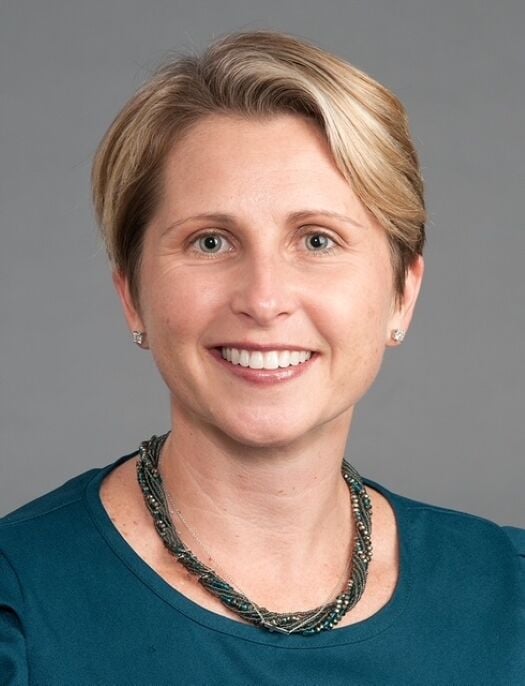
Caribbean nights are warming at an alarming pace, disrupting traditional cooling patterns and posing serious risks for local communities. In a new episode of Net Zero Speaks, Professor Michael A. Taylor outlines cost-effective strategies for tackling rising heat, flash flooding, and coastal erosion throughout the region.
Subscribe
Climate Change Policies
Global Warming Effects
Sustainable Living Practices
Caribbean Climate Scientist and IPCC Author Michael A. Taylor on Planet Classroom

Key Takeaways:
- The Caribbean is experiencing warmer nights, which impairs overnight cooling.
- Extreme heat, flash flooding, and coastal erosion threaten island communities.
- Water security is a top priority, guided by Taylor’s “Triple C” strategy: Conserve, Capture, Care.
- Local and immediate adaptation efforts can be highly impactful.
- Taylor emphasizes simple, cost-effective approaches rather than relying solely on distant climate targets.
Challenges Facing Caribbean Communities
Caribbean communities have long contended with fierce tropical weather. But according to Professor Michael A. Taylor, a Coordinating Lead Author of the IPCC 1.5°C Special Report, shifting climate patterns are carving out new, immediate threats. Rising night temperatures, extreme heat, and flash flooding now figure prominently in the region’s risk profile, alongside longstanding issues like coastal storms and erosion.
The Reality of Rising Night Temperatures
“The science shows that the nights are warming faster than the days,” Taylor explains. With temperatures failing to drop sufficiently after sunset, communities lose the natural cooling period they depend on for relief. This accelerated warming can disrupt sleep and strain public health systems, underscoring the need for urgent interventions.
Coastal Storm Risk and Flooding
Beyond the threat of persistent heat, flash flooding and the growing intensity of tropical storms further imperil local infrastructure. Taylor notes that as sea levels continue to rise, coastal erosion could erode real estate and tourism-based economies across the Caribbean. Preparedness, therefore, must address storm surges, potential inundation, and the loss of valuable coastal land.
Taylor’s “Triple C” Framework
A central component of Taylor’s strategies is summarized by his “Triple C” principle for water security: Conserve, Capture, and Care.
• Conserve: Encouraging individuals to reduce water wastage in their homes and communities.
• Capture: Implementing methods to harness rainwater and other local resources when available.
• Care: Maintaining and protecting existing water supplies, including water sources and distribution systems.
Localized, Low-Cost Adaptations
Unlike long-term climate targets that may feel abstract, Taylor’s recommendations are designed to be immediately actionable and cost-effective. From smaller household interventions—like installing rain barrels, improving water storage, and adopting efficient cooling practices—to broader community undertakings, these measures can be quickly deployed.
A Call to Action
Taylor’s message is clear: the ingredients for Caribbean climate resilience are already within the region’s grasp. By embracing practical, local-level solutions—whether they address the dangers of rising night temperatures or the erosion of coastal lands—communities stand a better chance at safeguarding their future. Ultimately, Taylor underscores that building resilience begins at home, one immediate step at a time.