Iraq’s massive West Qurna 2, which provides 10% of the nation’s crude, has shifted operations after U.S. sanctions forced Russia’s Lukoil out. Now, Chevron is eyeing the field, but the American oil giant insists on more favorable terms before it fully commits.
Subscribe
International Politics
Mergers and Acquisitions
Middle East
Policy Analysis
Chevron Eyes Lukoil’s Iraqi Oilfield—but Only on Better Terms
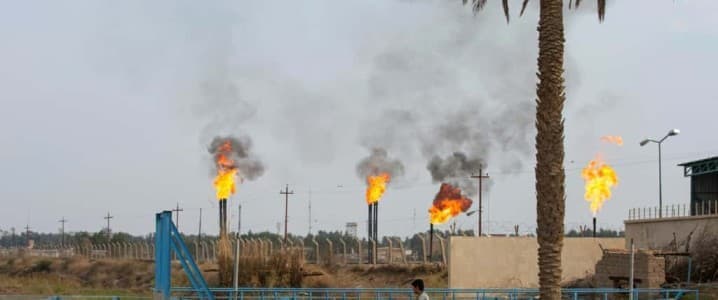
Photo by Oil Price
Key Takeaways:
- U.S. sanctions removed Lukoil’s role in West Qurna 2
- West Qurna 2 accounts for 10% of Iraqi oil output and 0.5% of global supply
- Lukoil’s 75% stake underscores the scale of the operation
- Baghdad temporarily stepped in to keep production flowing
- Chevron is considering a new deal but demands improved conditions
The Sanctions Factor
U.S. sanctions imposed on Russian oil companies—Lukoil and Rosneft—fundamentally changed the landscape of Iraq’s West Qurna 2 oil project. Unable to continue operations in the face of these restrictions, Lukoil was effectively forced out of one of the largest fields in Iraq. This policy move created a swift power shift, leaving the giant oilfield in urgent need of a new operating partner.
Why West Qurna 2 Matters
With daily production exceeding 400,000 barrels, West Qurna 2 accounts for roughly 10% of Iraq’s total oil output—not to mention 0.5% of global crude. The field’s strategic importance cannot be overstated: countries around the world rely on stable Iraqi oil supplies, and any operational disruption in West Qurna 2 could ripple through international markets.
Baghdad’s Interim Role
Following Lukoil’s exit, the Iraqi government stepped in to maintain production and oversight at West Qurna 2. Baghdad’s quick temporary takeover reflected both the field’s economic significance to the country and the broader need to preserve a key source of revenue amid global uncertainties.
Chevron’s Potential Entry
Chevron, one of the largest American oil corporations, has shown interest in acquiring the stake left behind by Lukoil. Talks indicate that Chevron is reluctant to finalize a deal without a renegotiation of terms that better fit its strategy. The notion of “better terms” underscores the high-stakes environment, highlighting everything from legal protections to profit-sharing arrangements that are pivotal for a project of this magnitude.
Looking Ahead
The possible arrival of Chevron in West Qurna 2 could mark a new era for Iraqi oil production, potentially introducing new capital and technology that might help safeguard the field’s output. At the same time, the shift underscores the global impact of sanctions, where actions taken against one major producer can reverberate globally and reshape energy alliances, production, and pricing. How Baghdad and Chevron navigate these negotiations will determine the short- and long-term future of one of Iraq’s most vital energy assets.