China, the world’s top crude oil and LNG importer, has strategically built up oil stockpiles, diversified supply routes, and promoted electrification. These measures make it notably more resilient to disruptions, especially those arising from the crisis in the Middle East.
Subscribe
Global Conflicts
International Politics
Policy Analysis
China Stockpiles Soften the Blow of the Global Oil Shock
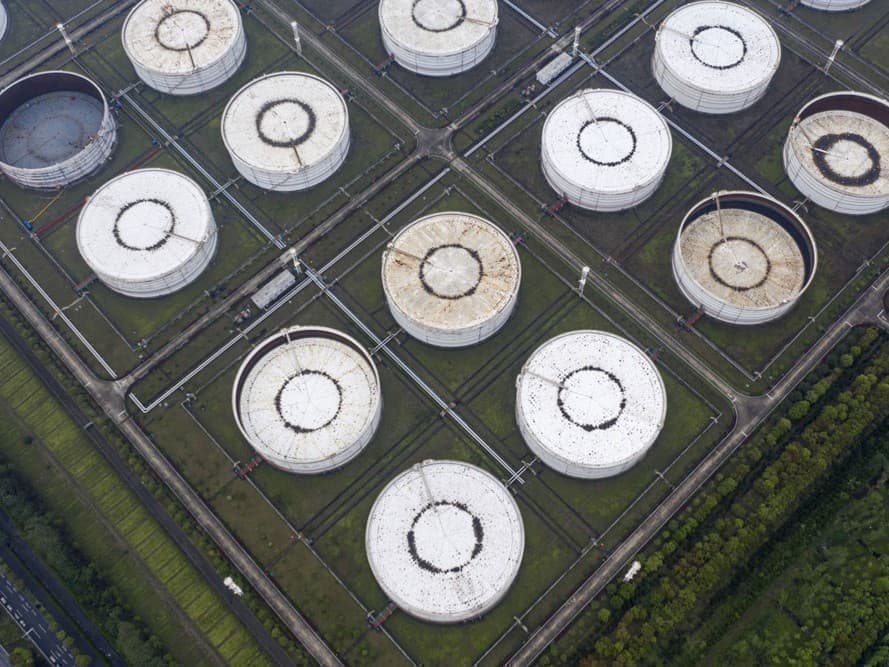
Photo by Oil Price
Key Takeaways:
- China’s position as the world’s largest crude oil and LNG importer shapes its global energy influence.
- Months of oil stockpiling have strengthened its ability to cope with supply shocks.
- Long-term diversification of oil and gas sources reduces China’s vulnerability to regional unrest.
- Rising transportation electrification helps cut fuel demand.
- Tensions in the Middle East highlight how China’s approach is insulating it from severe disruptions.
China’s Energy Footprint
China is widely recognized as the world’s top importer of crude oil and LNG. This status underscores the nation’s far-reaching impact on global energy markets and sets the stage for how it manages potential disruptions.
Stockpiling for Security
For months, China has been amassing large volumes of crude oil in storage. This accumulation cushions the country against abrupt global supply shocks, allowing it to maintain a steady flow of resources even if outside sources become uncertain.
Diversifying Supply Sources and Routes
Recognizing the risks tied to single-source dependence, China has spent years developing alternative oil and gas supply sources and routes. This careful planning means that any single chokepoint has less of an impact on overall energy security, a critical step in remaining self-reliant.
Advancing Electrification
China has also turned to electrification in its transportation sector to help lower the demand for road transportation fuels. By boosting the share of electric vehicles, China reduces its reliance on gasoline and diesel imports, further insulating itself from global oil price volatility.
Facing Middle East Tensions
Recent events in the Middle East underscore the global importance of the Strait of Hormuz, a major chokepoint for oil and gas shipments. While a significant disruption there threatens worldwide supplies, China’s proactive measures—stockpiling, diversification, and electrification—soften the blow.
Why China Is More Resilient
Taken together, these strategies—accumulating oil reserves, widening supply pathways, and investing in alternative energy—create a powerful buffer against geopolitical uncertainties. As the Middle East grapples with crises, China’s resilience offers a crucial lesson in forward-thinking energy policy.