U.S. Rep. Chip Roy is recognized for criticizing GOP leaders, including President Donald Trump and Attorney General Ken Paxton. He insists his loyalty lies with Texas and the Constitution—a stance he believes should guide the state’s chief legal officer.
Subscribe
Analysis and Opinions
Political Movements
Chip Roy is known for calling out GOP leaders. He says that’s what Texas needs in an attorney general.

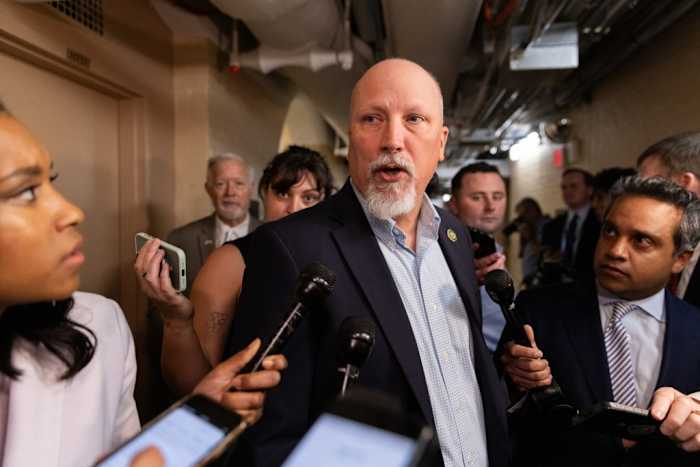
Photo by Ksat
Key Takeaways:
- Chip Roy is known for calling out prominent GOP figures.
- He has challenged both President Donald Trump and Attorney General Ken Paxton.
- Roy’s guiding principle is loyalty to Texas and to the Constitution.
- He believes this commitment defines what Texas needs in an attorney general.
Chip Roy’s Outspoken Stance
U.S. Rep. Chip Roy has made a name for himself by taking on big names in the Republican Party. Whether it’s questioning President Donald Trump or criticizing current Attorney General Ken Paxton, Roy maintains that his primary duty is to the people of Texas.
Breaking Party Lines
Despite being a Republican himself, Roy has not hesitated to push back when he feels core values are at risk. He has publicly criticized actions and statements by party leaders, noting that the attorney general’s focus should remain squarely on upholding Texas law and protecting constitutional principles.
Loyalty to Texas and the Constitution
Roy emphasizes his belief that personal or party allegiances should not overshadow the responsibilities of any elected official in Texas. He repeatedly returns to the idea that serving the people of the state, rather than a party line, should be paramount for the attorney general. In his words, “My loyalty is to Texas and to the Constitution.”
Implications for the Attorney General’s Office
By calling out both President Trump and Ken Paxton, Roy is positioning himself as a leader willing to challenge the highest levels of power. His insistence on fidelity to constitutional values highlights his vision of an attorney general who would prioritize Texans’ interests above political rivalries.
A View on Texas Politics
The Texas political landscape continues to evolve, and Roy’s demands for accountability—a willingness to call out even the most influential figures—showcase a broader trend. Voters and officials alike are paying attention, underscoring the importance of the office of attorney general and the role of principle in public life.