Winter often seals our homes more tightly than usual, which can lead to a faster buildup of dangerous gases. Carbon monoxide detectors play a pivotal role in keeping families safe as heaters and fireplaces become more essential in cold weather.
Subscribe
Safe Practices
Cold Weather Fire Risks: How Families Can Stay Safe This Winter

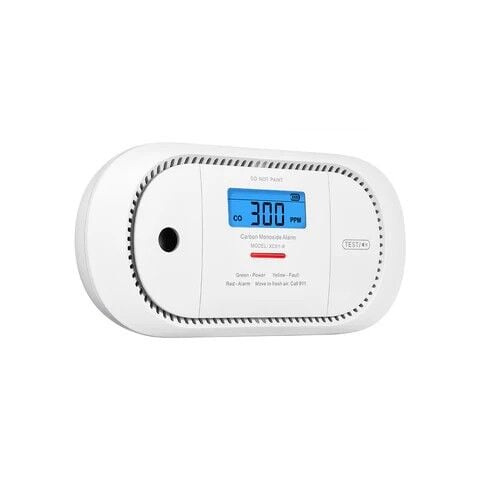
Photo by Thedailynewsonline
Key Takeaways:
- Carbon monoxide detectors are crucial in colder months.
- Homes are sealed tightly in winter, trapping gases.
- Heaters and fireplaces see more usage, raising risks.
- Dangerous gases can accumulate quickly without ventilation.
- Vigilance and proper devices help families stay safe.
Why Carbon Monoxide Matters
Carbon monoxide detector devices become especially important when cold weather arrives and families begin relying on heaters and fireplaces. As temperatures drop, indoor heating becomes essential, but it also comes with an invisible threat: the buildup of potentially lethal gases.
Sealed Homes and Hidden Dangers
During winter, most homes remain closed as tightly as possible, preserving warmth but also limiting fresh air circulation. The article notes, “During winter, homes stay closed tightly to keep warmth inside. However, this also means dangerous gases can build up faster…” Proper ventilation is essential to prevent this unobserved threat from lingering.
Heaters and Fireplaces
Families often turn to heaters, fireplaces, or a combination of both to combat the cold. As usage increases, so do the potential risks associated with carbon monoxide. While these heat sources bring comfort, safety precautions like carbon monoxide detectors become vital for peace of mind during chilly months.
Staying Protected
A simple yet powerful step is installing and regularly checking carbon monoxide detectors. These devices help identify the presence of carbon monoxide before it becomes hazardous. By maintaining awareness and staying vigilant, families can ensure that winter’s warmth does not come with an unwelcome—and silent—danger.