Many children risk losing up to 20% in reading and 27% in math gains over the summer, according to Dartmouth College research. Free outdoor STEM lessons aim to reverse this “summer slide” and keep kids engaged without relying on screens.
Subscribe
Child Development
Education Resources
Parenting Tips
Combat “Summer Slide” and Screen Fatigue with Free Outdoor STEM Lessons

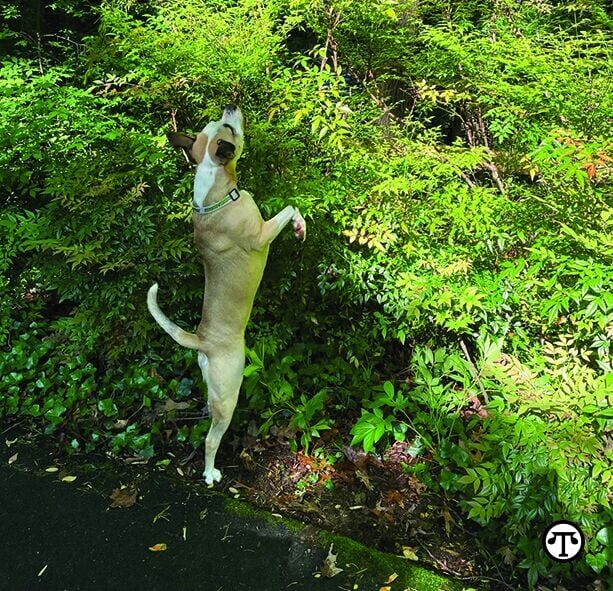
Photo by Samessenger.com
Key Takeaways:
- Research points to significant reading and math losses during summer.
- Younger children are especially at risk of falling behind.
- Free outdoor STEM lessons can help preserve academic gains.
- Reducing screen use promotes healthier, more engaging summer activities.
- Families can incorporate outdoor STEM to complement learning at home.
The Seasonal Learning Gap
Summer vacation often brings a welcome break from the classroom, but Dartmouth College research highlights an unintended consequence: the potential loss of 20% of reading gains and 27% of math gains for some students. Younger children can be particularly vulnerable to this so-called “summer slide,” making the break risky for their ongoing academic progress.
The Call for Outdoor Engagement
Many families are also concerned about children’s screen time outside of school. Devices provide entertainment and even educational apps, but relying on them exclusively can lead to “screen fatigue.” Outdoor activities that blend fun with hands-on learning offer a healthy and effective alternative during the summer months.
Free STEM Lessons and Their Benefits
Enter free outdoor STEM lessons. Designed to keep kids academically active, these programs encourage exploration of the world around them through practical experiments and nature-based observations. Participating families report that such experiences not only maintain academic momentum but also foster a deeper appreciation for science, technology, engineering, and math in everyday life.
Encouraging Families and Educators
Families can incorporate these lessons in local parks, nature trails, or even their own backyards. Engaging younger children with simple experiments—like measuring plant growth or observing wildlife—can sustain learning gains and build foundational STEM skills. For educators, providing resources that bridge formal classrooms and informal outdoor learning can ensure that the effort to fight summer slide continues well into the next school year.