Primary elections, once considered an afterthought, have come under fire for being overly partisan and marked by low participation. Many now see empowering independent voters as a vital step toward making these contests more representative and inclusive.
Subscribe
Analysis and Opinions
Policy Analysis
Voting Trends
Commentary: Empowering independent voters can fix primary elections

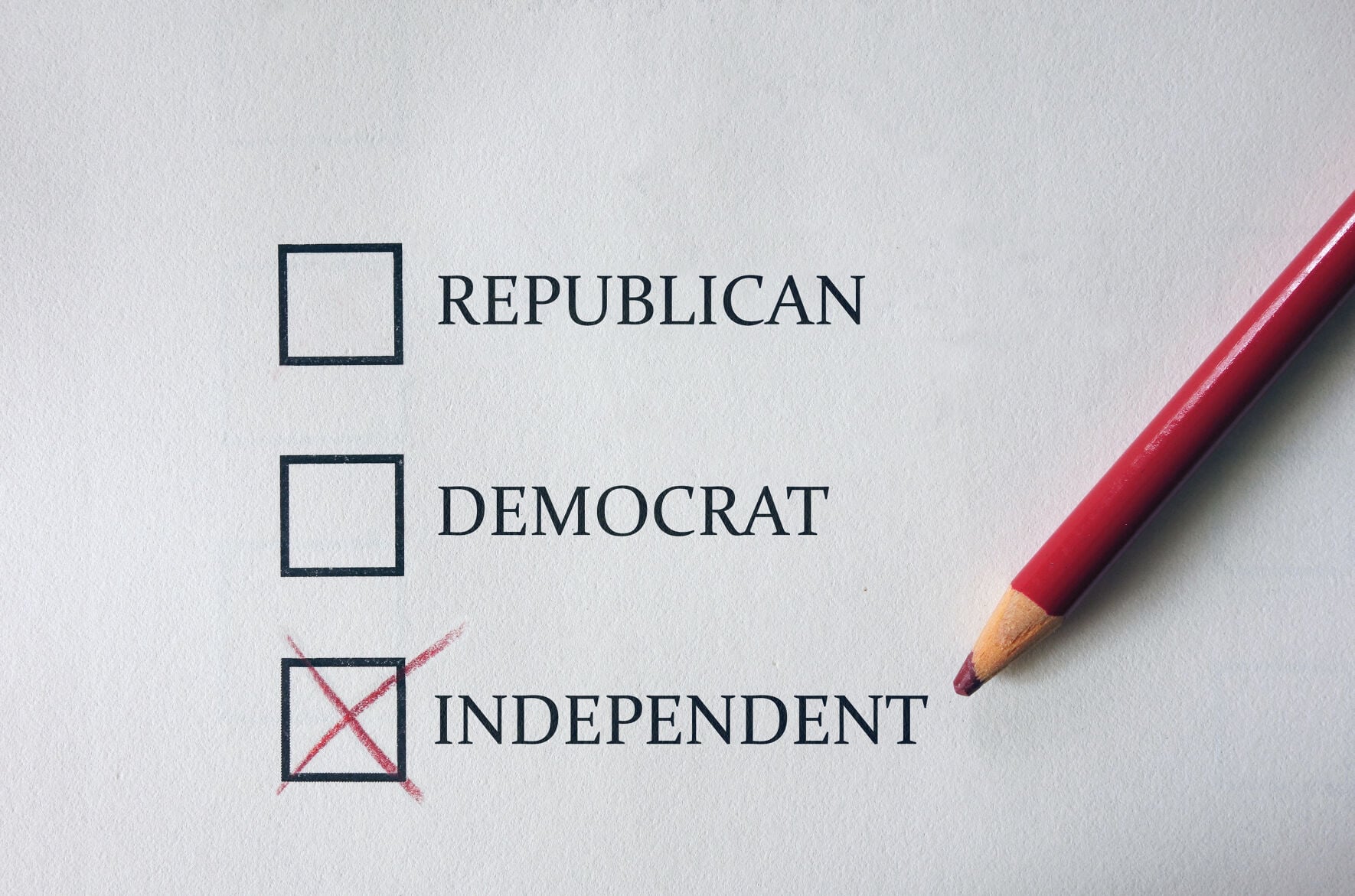
Photo by The Brunswick News
Key Takeaways:
- Conversations on primary elections have become more common.
- Current contests face scrutiny for partisanship and low turnout.
- Ideological domination is often cited as a major problem.
- Independent voters are seen as key to improving primary elections.
- There is a call to reconsider election rules and culture.
The Changing Conversation Around Primaries
Not long ago, talk of primary elections was limited and rarely part of mainstream political debate. Today, there is a growing recognition that the way these elections are conducted is less than ideal. According to recent commentary, the focus is on how current primary rules and culture are failing both voters and candidates alike.
Partisanship and Low Turnout
Observers have noted that primary elections tend to attract deeply partisan voters rather than the general electorate. With such low turnout, the influence of more moderate or diverse perspectives can be diminished. The commentary suggests that this system often leaves only the most passionate partisans to shape the slate of candidates who eventually proceed to general elections.
Independent Voters in the Spotlight
Proponents of primary reform argue that allowing or encouraging independent voters to participate could increase overall turnout and reduce extreme partisanship. They contend that many voters remain unrepresented because they do not identify strictly with one party. By empowering these independent voters, advocates believe that primary elections might better mirror the political views of a broader segment of the population.
A Culture Ripe for Reform
As the debate over primary elections grows, so does the sense of urgency to address what critics see as fundamental flaws in the system. The rules and culture surrounding these contests, once accepted without question, are increasingly under the microscope. Through a more inclusive approach that values the perspectives of independent voters, commentators suggest that primaries could become a genuine reflection of the electorate and provide a more balanced path to final elections.