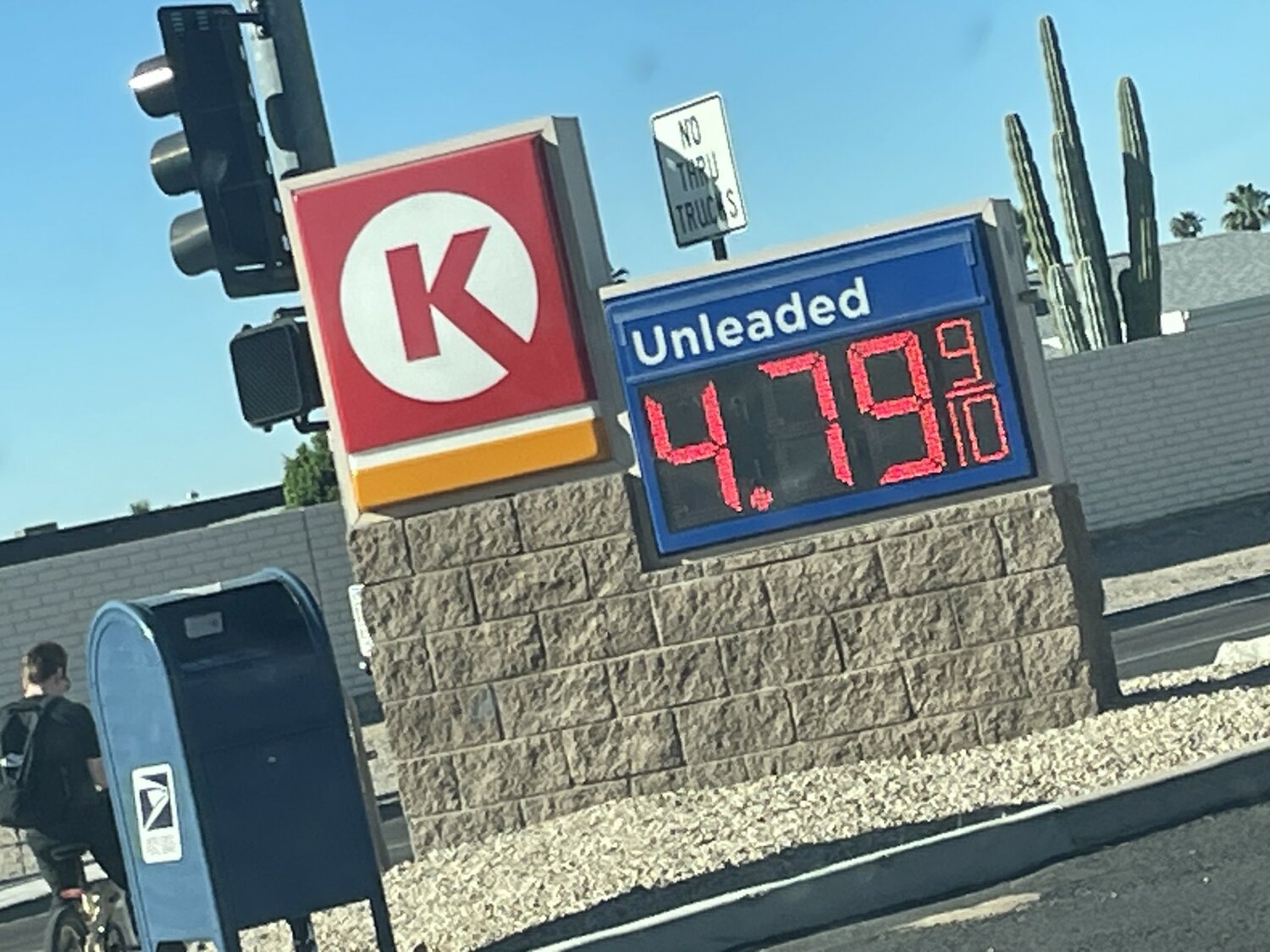
With critical highways and bridges aging across the United States, political leaders are revisiting the notion of raising the gasoline tax. As the nation’s infrastructure shows signs of serious wear, supporters argue a higher fuel tax might be crucial for road and bridge repairs.
Subscribe
Analysis and Opinions
Policy Analysis
COMMENTARY: Raising gasoline tax back on table

Key Takeaways:
- The U.S. highway system faces mounting maintenance challenges.
- Many bridges nationwide are in poor condition and urgently need repairs.
- Proposals to raise the gasoline tax are returning to the policy agenda.
- The American Society has flagged the severity of these infrastructure shortfalls.
- Fuel tax discussions affect both the economy and energy usage.
America’s Infrastructure at Risk
The United States faces a well-documented infrastructure problem, with deteriorating roads and countless bridges in disrepair. According to the commentary, routine highway maintenance has failed to keep pace with the nation’s needs, leaving many critical routes vulnerable.
Why the Gas Tax Is Back
A proposed hike in the gasoline tax has re-emerged as one potential solution to these challenges. Part of the discussion hinges on the need for a dedicated revenue source to finance repairs and improvements to roads, highways, and bridges—a task that has been underfunded for far too long.
Expert Warnings
Professional organizations, such as the American Society, have consistently warned of the consequences of ignoring infrastructure issues. They note that delayed maintenance can pose risks to public safety and hamper economic development across regions reliant on heavy transportation networks.
Economic and Energy Implications
Raising the fuel tax inevitably sparks debates about its broader impact. Some experts argue that strengthening the road system helps businesses and commuters alike by reducing long-term costs. Others caution that a higher gasoline tax might affect consumer spending on energy, car usage, and household budgets.
Looking Ahead
While no single solution can solve America’s infrastructure woes overnight, supporters of a higher fuel tax believe it could significantly narrow the funding gap. As policymakers revisit the idea of increasing the gasoline levy, discussions on trade-offs, economic impact, and public sentiment will shape whether this approach finally makes its way from the policy table into reality.