Federal immigration officers have become a less visible presence in Mankato since last winter. As a result, the local City Council allowed its ICE accountability ordinance to expire, believing the oversight measure is no longer necessary.
Subscribe
Analysis and Opinions
Policy Analysis
Council lets ICE ordinance lapse

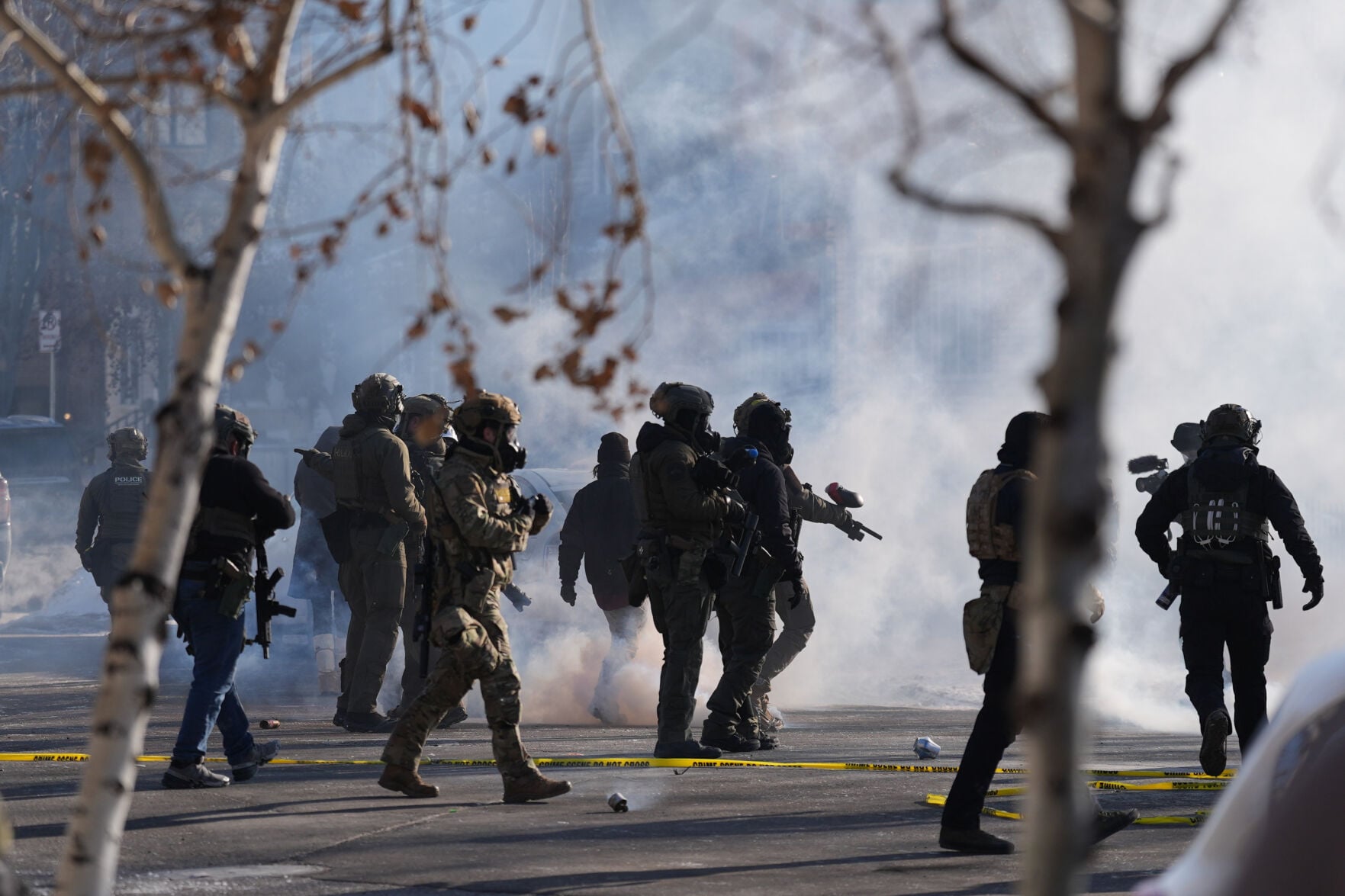
Photo by Mankato Free Press
Key Takeaways:
- The City Council chose not to renew the ICE accountability ordinance.
- Federal immigration officials are reportedly less active in Mankato now than last winter.
- The ordinance emerged as a response to a higher ICE profile in the past.
- Reduced visibility of federal agents influenced the Council’s decision.
- The development underscores how cities can adapt to fluctuating immigration enforcement trends.
Main Article Body
Background of the Ordinance
Mankato’s ICE accountability ordinance was originally put in place when federal immigration officers maintained a more visible presence in the city. According to local discussions, the measure was intended to track and monitor the activities of Immigration and Customs Enforcement, particularly when operations felt more pronounced last winter.
A Diminished ICE Presence
In recent months, many residents and officials have noted that ICE agents are no longer conducting as many public enforcement operations—or at least are not drawing the attention they once did. The drop in perceived activity proved to be a deciding factor for the Mankato City Council, which believed the ordinance no longer served an immediate purpose.
Council Decision
As officials weighed the need to continue oversight efforts, they concluded the time had come to let the policy lapse. With federal immigration officers “largely absent,” council members saw little reason to keep the ordinance in effect. Though no formal data on ICE operations was presented, the sense among city leaders was that active oversight was less critical under current conditions.
Implications for Mankato
The lapse of the ordinance demonstrates how local governance can respond quickly to shifts in law enforcement practices. It also highlights Mankato’s pragmatic approach: putting in place regulations when needed and allowing them to sunset when circumstances change. While the city has not ruled out future ordinances if federal immigration enforcement increases again, for the time being, it has opted for less direct oversight.
Looking Ahead
Whether ICE will reemerge in Mankato at a higher profile remains uncertain. For now, the City Council’s decision is a reflection of its observational stance—one that adapts to on-the-ground realities and focuses on local needs. Should federal enforcement ramp up in the future, city leaders may revisit the question of accountability measures.