Missoula’s City Council is expected to make a pivotal decision on an 80-foot radio tower proposed for the South Hills. City officials caution that if the tower is denied, federal religious laws may come into play, potentially leading to a lawsuit.
Subscribe
Analysis and Opinions
Policy Analysis
Council to decide on 80-foot radio tower in Missoula’s South Hills

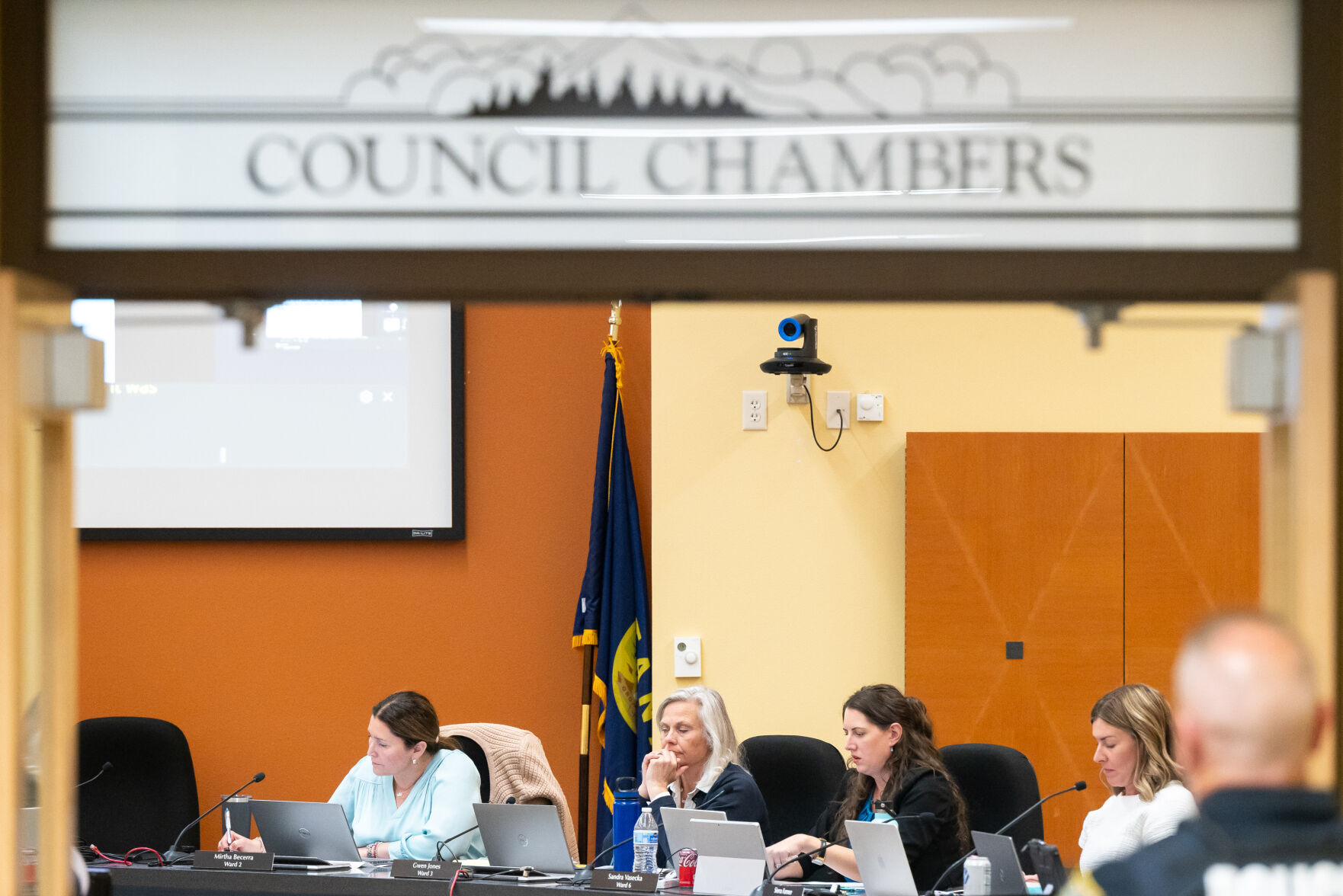
Photo by Missoulian
Key Takeaways:
- An 80-foot radio tower is under review by Missoula’s City Council.
- Officials warn that the Religious Freedom Restoration Act could govern the decision.
- Denying the tower could trigger a lawsuit.
- The debate highlights the city’s balancing act between local governance and federal stipulations.
A High-Stakes Local Decision
Missoula’s City Council faces a critical choice this month: whether to approve an 80-foot radio tower in the city’s South Hills. Many residents and local leaders are watching closely, aware that this decision carries potential consequences far beyond ordinary zoning concerns.
The Radio Tower Proposal
The proposed tower, measured at 80 feet in height, would become a prominent feature in Missoula’s South Hills. While specific details about the tower’s function have not been widely discussed, its stature alone makes it a noteworthy development in the area.
Legal Considerations and RFRA
City officials have stated that the federal Religious Freedom Restoration Act (RFRA) may apply to this permit. If the council decides to reject the tower, the applicant could have grounds for a lawsuit based on religious freedom principles. This possibility underscores the high stakes involved, as the city must consider both local preferences and federal protections.
Potential Outcomes
Were the council to deny the permit, the most immediate repercussion could be legal action from the entity seeking to build the tower. Apart from possible financial costs, such litigation might set a precedent for how local regulations interact with federally protected religious freedoms. With the final decision in the hands of the council, Missoula’s leadership must weigh community sentiment against legal risks, charting a course that recognizes both local governance and broader civil liberties.