DACA delays are creating a precarious situation for recipients like Chicago’s Victor Jardon-Reyes, who once relied on steady work providing airplane repair parts at major airports. With the threat of deportation looming under Donald Trump’s administration, he and others live in uncertainty about their futures.
Subscribe
Analysis and Opinions
Policy Analysis
DACA delays lead to lost jobs, less stability and anxiety over potential deportation under Donald Trump

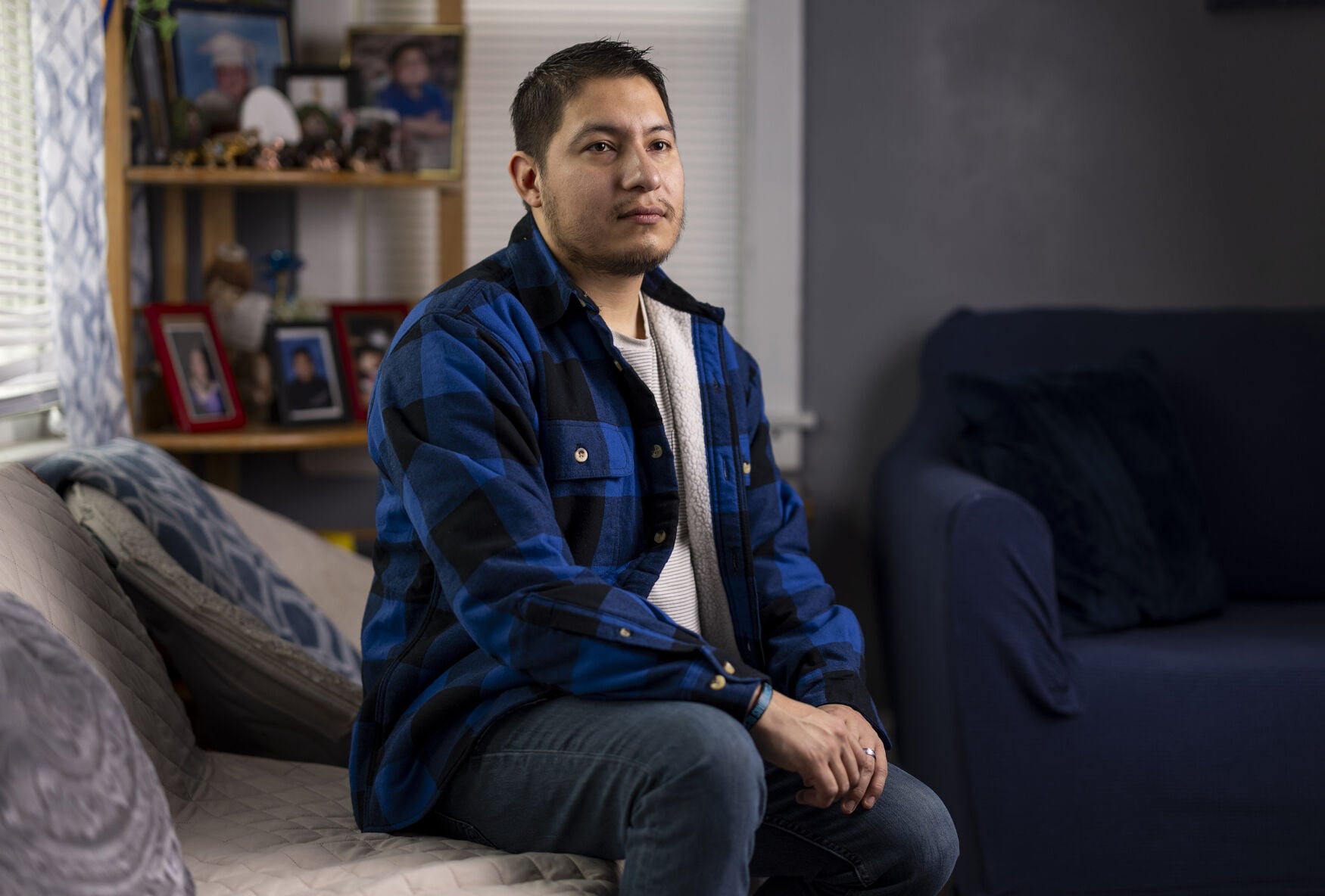
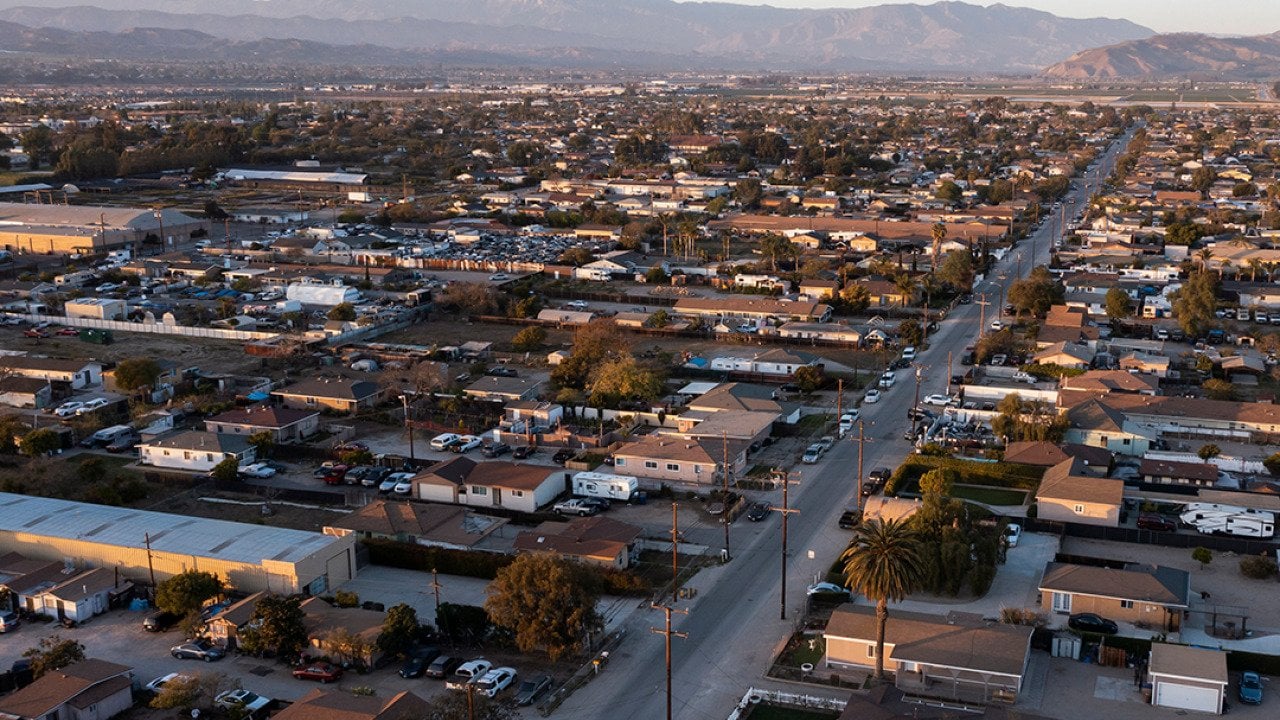
Photo by Hanford Sentinel
Key Takeaways:
- DACA processing delays cause serious job instability for recipients.
- Many face rising anxiety over potential deportation under Donald Trump.
- The personal story of a Chicago resident underscores the human cost.
- Economic repercussions spread beyond recipients to the companies that employ them.
- These delays foreground the precariousness of DACA in a shifting political landscape.
Background on DACA Delays
Deferred Action for Childhood Arrivals (DACA) was designed to provide work authorization and temporary relief from deportation for certain young immigrants. Yet, as this story—originally published by the Hanford Sentinel—points out, delays in processing these applications have disrupted the lives of many, including Chicago-based worker Victor Jardon-Reyes.
Living with Uncertainty
Jardon-Reyes established a routine of commuting from his neighborhood in Belmont Cragin to Chicago’s O’Hare and Midway airports. He consulted mechanics and supplied them with the necessary parts to keep aircraft safely in operation. With pending DACA renewals, however, his once-steady job was jeopardized, leading to immediate financial strain.
The Emotional and Financial Burden
The prospect of deportation is more than a distant worry—it creates daily anxiety, affecting decisions about personal finances, health care, and long-term career choices. DACA recipients often find themselves caught between contributing to their communities and worrying that any change in policy might uproot their entire lives.
Outlook Under Trump
The anxiety is compounded by an unpredictable political environment. Under Donald Trump’s administration, concerns around heightened immigration enforcement contributed to a sense of instability. Recipients are left wondering when—and if—a resolution will come, even as they navigate the high stakes of job losses and potential deportation.
Moving Forward
While the long-term future of DACA remains unclear, what is certain is the immediate impact delayed renewals have on individuals like Jardon-Reyes. Their stories of perseverance and aspiration for a stable life highlight the human toll of policies in flux, reminding us that behind every delay lies a personal struggle.