Filmmaker Carl Rinsch has been convicted of defrauding Netflix out of more than $11 million for a sci-fi series that never made it to air. Once named White Horse and later known as Conquest, the project fizzled before completion, sparking federal charges of wire fraud and money laundering.
Subscribe
Breaking News
Industry News
Director Took Netflix’s Millions, Never Made Show

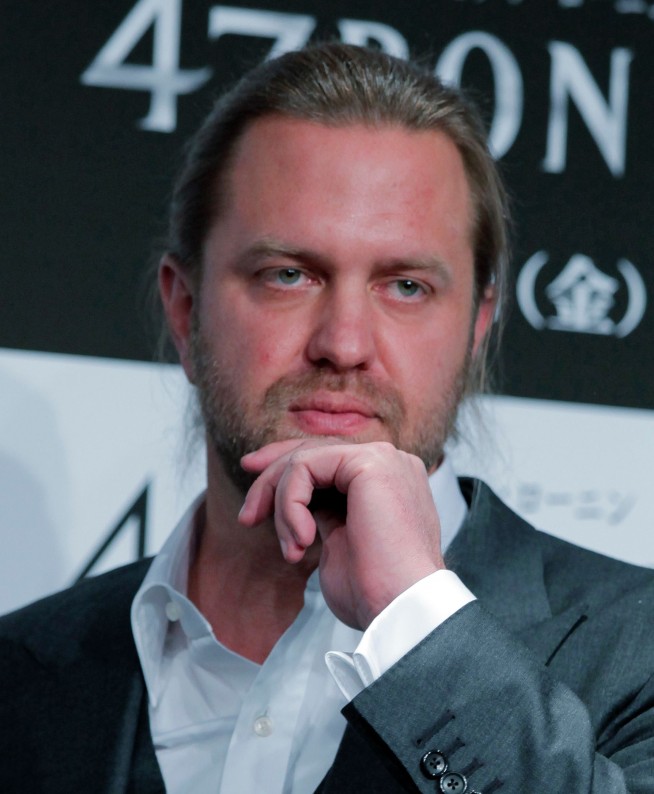
Photo by Newser
Key Takeaways:
- Carl Rinsch was convicted of defrauding Netflix.
- The project received over $11 million in funding.
- The sci-fi series, first called White Horse, was later retitled Conquest.
- Federal charges included wire fraud and money laundering.
- The show never reached completion or aired.
The Unseen Sci-Fi Vision
A federal jury in Manhattan recently convicted filmmaker Carl Rinsch of defrauding Netflix out of more than $11 million. The incredible sum was intended for the creation of a sci-fi epic initially titled White Horse, which was later retitled Conquest. Despite the ambitious scope of the project, no episodes ever made it to air.
How Netflix Got Involved
Netflix committed millions to Rinsch’s vision, hoping to offer subscribers a high-concept sci-fi saga. According to prosecutors, these funds vanished into a production that stalled, never gaining enough traction to produce a final product.
Federal Court Verdict
On Thursday, the court found Rinsch guilty of wire fraud and money laundering in connection with the unfinished series. These charges underscore the severity of the case, marking a high-profile example of alleged financial misconduct within the entertainment industry.
A Troubled Production
Rinsch, known for directing the Keanu Reeves film 47 Ronin, had pitched White Horse—renamed Conquest—as his next major venture. Budgeted at more than $11 million, the series never reached a final production phase. Instead, it concluded with legal battles and a federal jury conviction.
Industry Implications
As streaming giants continue to invest heavily in original content, massive, high-budget projects carry significant risk. Cases like this raise concerns about accountability and transparency, signaling that both creators and platforms will likely exercise more caution when greenlighting ambitious new storytelling endeavors.