A new request from the Department of Justice calls on Idaho to release its voter roll. Records reveal that the DOJ has previously sued states that declined similar demands, suggesting potential legal implications if Idaho does not comply.
Subscribe
Policy Analysis
Voting Trends
DOJ wants Idaho’s identifiable voter roll, records show

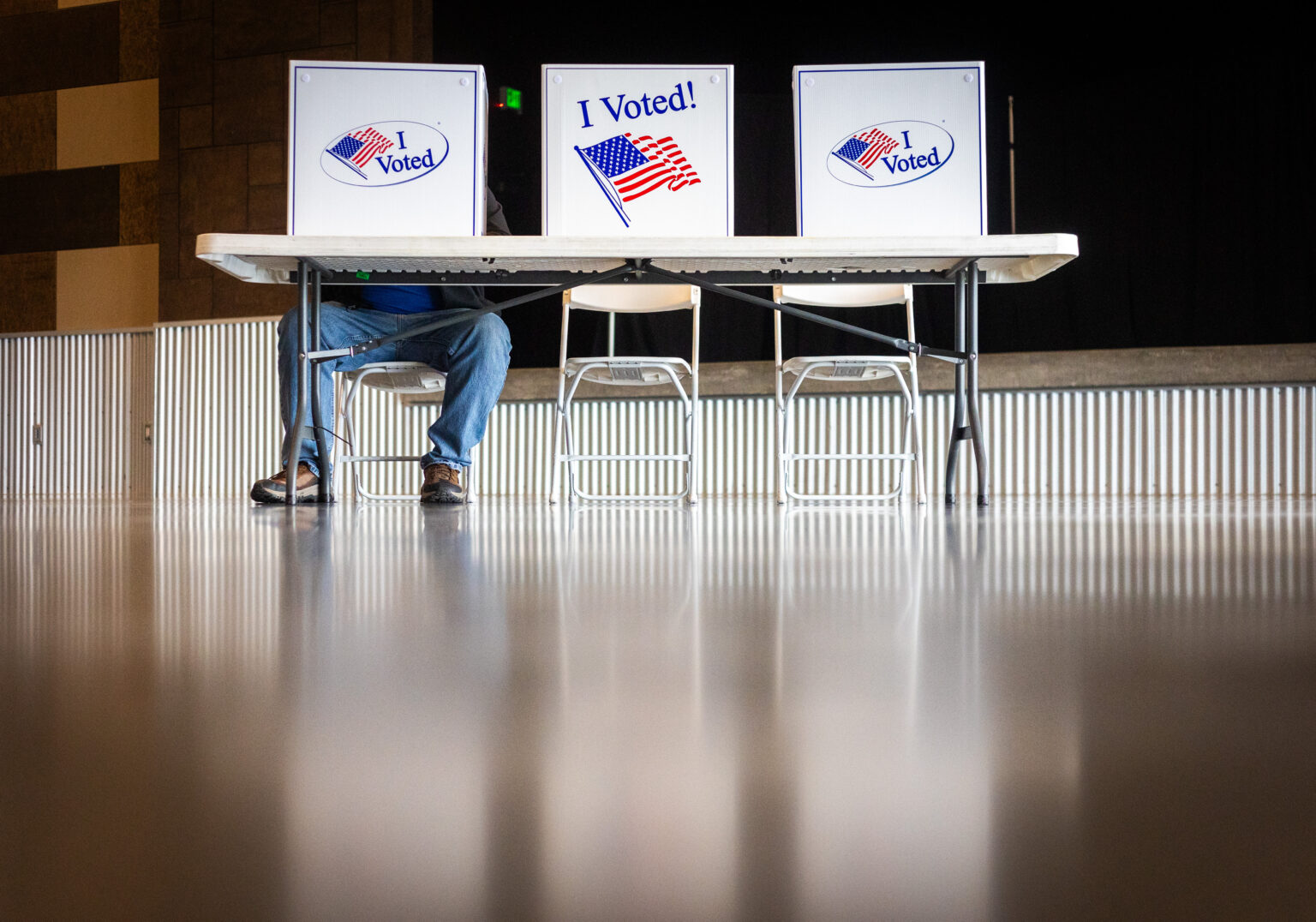
Photo by The Lewiston Tribune Online
Key Takeaways:
- The DOJ is seeking Idaho’s identifiable voter data.
- Idaho’s request parallels similar federal demands made to other states.
- The DOJ has taken legal action against noncompliant states.
- The Lewiston Tribune Online published this story on January 10, 2026.
- This development underscores ongoing debates about voter data transparency.
The DOJ’s Request
The Department of Justice is requesting Idaho’s identifiable voter registration records, according to information from The Lewiston Tribune Online. The agency’s focus on Idaho aligns with a broader move by federal authorities to collect election-related data from various states.
Legal Precedents
In previous instances, the DOJ has taken legal action against states that did not turn over their voter records. According to the article’s description, “DOJ has sued states that didn’t comply with its request for voter registration records.” This history raises questions about how Idaho will respond, given the legal outcomes other jurisdictions have faced.
Idaho’s Position
The details surrounding Idaho’s response remain limited, as the newly disclosed information only confirms that the DOJ wants the state’s voter roll. However, Idaho’s decision—whether to comply or resist—could carry significant implications, especially if the Justice Department initiates further legal steps.
National Context
This request is part of a larger debate on the balance between voter privacy and election transparency. While the DOJ contends it needs the data for federal interests, states often grapple with concerns over keeping voter information confidential. The Idaho situation underscores these broader tensions, placing the state in the spotlight of a national conversation.
Potential Next Steps
Given the agency’s history of legal challenges, Idaho’s decision could provoke further action. Observers note that states have either complied or faced lawsuits. With Idaho next on the list, the question remains whether the state will voluntarily release its records or risk following the path of other defendants in court.