Shoveling snow frequently during a storm isn’t just about staying comfortable—it’s also a key step in avoiding ice buildup and heavy lifting later. Experts emphasize that timing and technique can make winter cleanup safer and easier.
Subscribe
Safe Practices
Don’t Wait! This is How Often You Should Shovel Snow During a Storm, Experts Reveal

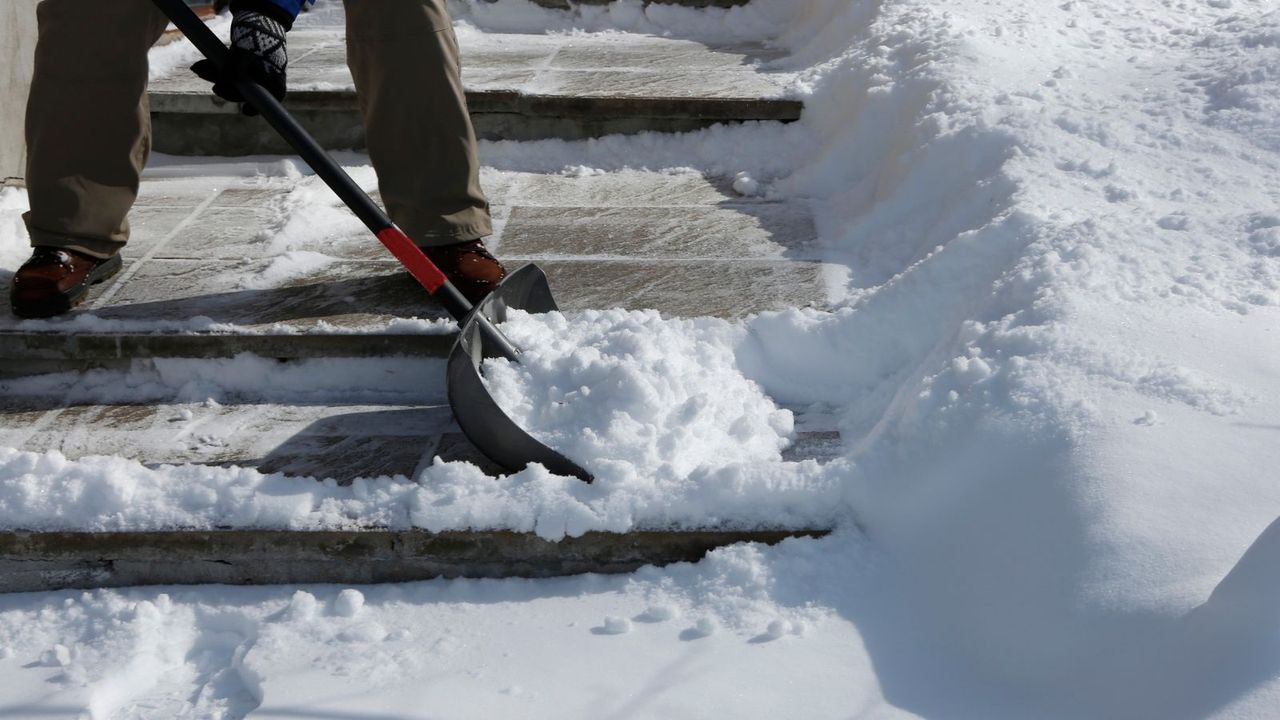
Photo by Homes And Gardens
Key Takeaways:
- Frequent shoveling prevents snow from turning into ice.
- Small, regular efforts reduce strain compared to one massive session.
- Technique is as crucial as frequency in preventing injury.
- Waiting until the storm ends can lead to backbreaking work.
- Keeping walkways clear is vital for safety and accessibility.
Why Frequency Matters
Regularly removing snow stops it from compacting and transforming into slippery ice. Experts emphasize, “The frequency is just as important as the method to avoid snow compacting into ice, and creating backbreaking work later.” By breaking the job into multiple smaller tasks, you reduce both the physical strain and the risk of hazardous conditions.
Preventing Ice Build-Up
Allowing snow to accumulate sets the stage for thick, stubborn ice. Once packed down, snow requires extra force and can quickly become treacherous to walk on. Frequent shoveling sessions during a storm keep surfaces safer and faster to clear in the long run.
Pay Attention to Technique
Method matters as much as timing when it comes to snow removal. Proper posture, regular breaks, and choosing the right shovel—or tool—can minimize injury risks. Clearing snow incrementally also helps you stay ahead of the storm without exhausting yourself.
The Benefits of Not Waiting
Choosing not to wait until the storm’s end often means smoother cleanup and less physical stress. By tackling lightweight layers of fresh snow, homeowners avoid the “backbreaking work” of lifting dense, compacted drifts. Ultimately, frequent clearing ensures walkways and driveways remain accessible, even in the midst of winter’s worst.