Researchers at NASA’s Langley Research Center in Hampton, Virginia, are testing drones as a potentially more efficient way to deliver donated kidneys. Their June 5 trials demonstrated how drone flights could streamline the transportation of these vital organs.
Subscribe
Breaking News
Drones transporting organs? It could be more efficient, NASA Langley study shows

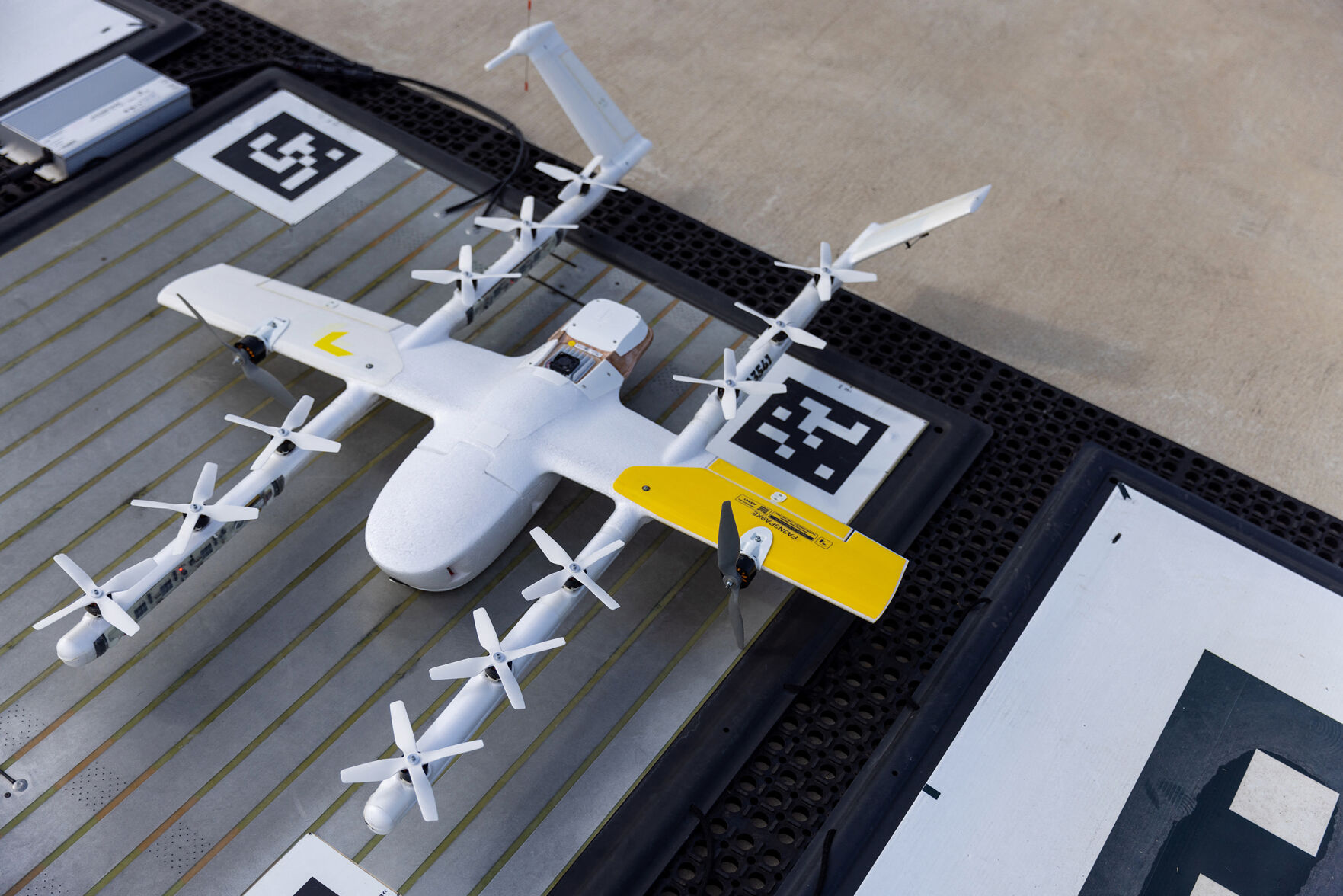
Photo by Yoursun.com
Key Takeaways:
- NASA is exploring drone-based transportation of donated organs.
- Tests conducted on June 5 focused specifically on human kidneys.
- Researchers say drones “could be a viable way” to improve efficiency.
- The study took place at NASA’s Langley Research Center in Hampton, Virginia.
- Faster delivery could have significant public health benefits for transplant patients.
The NASA Langley Study
NASA’s Langley Research Center in Hampton, Virginia, recently initiated a study to explore the feasibility of drone-based organ transport. According to their findings, drones could serve as a more efficient method for delivering donated organs, potentially speeding up a process that often determines whether a patient lives or dies.
The Recent Tests
On June 5, researchers carried out drone flights transporting human kidneys to examine the viability of unmanned aerial vehicles in critical medical logistics. While conventional methods of organ delivery rely heavily on ground or air ambulances, these test runs indicated how drones might provide a faster alternative.
Why Drones Could Improve Organ Delivery
Scientists believe drone flights could save valuable time, especially given the short window organs have to remain viable. By cutting down on transportation constraints—such as traffic or limited aircraft availability—this new method might increase the odds of a successful transplant for patients waiting on donor lists.
Potential Advances for Medical Logistics
While further research is necessary, NASA’s findings highlight the possibility of integrating drones into existing healthcare infrastructure. If proven reliable, drones could offer an additional avenue for swift and secure organ transport. Ultimately, this technological innovation could bolster the broader mission of saving and improving lives through timely medical care.