Unsustainable federal borrowing is already placing the economy on shaky ground. Now, a new plan to hand taxpayers $2,000 from tariff revenue has raised doubts about whether it might worsen the country’s fiscal future.
Subscribe
Analysis and Opinions
Policy Analysis
Editorial: A $2,000 tariff dividend for everyone? Bad idea

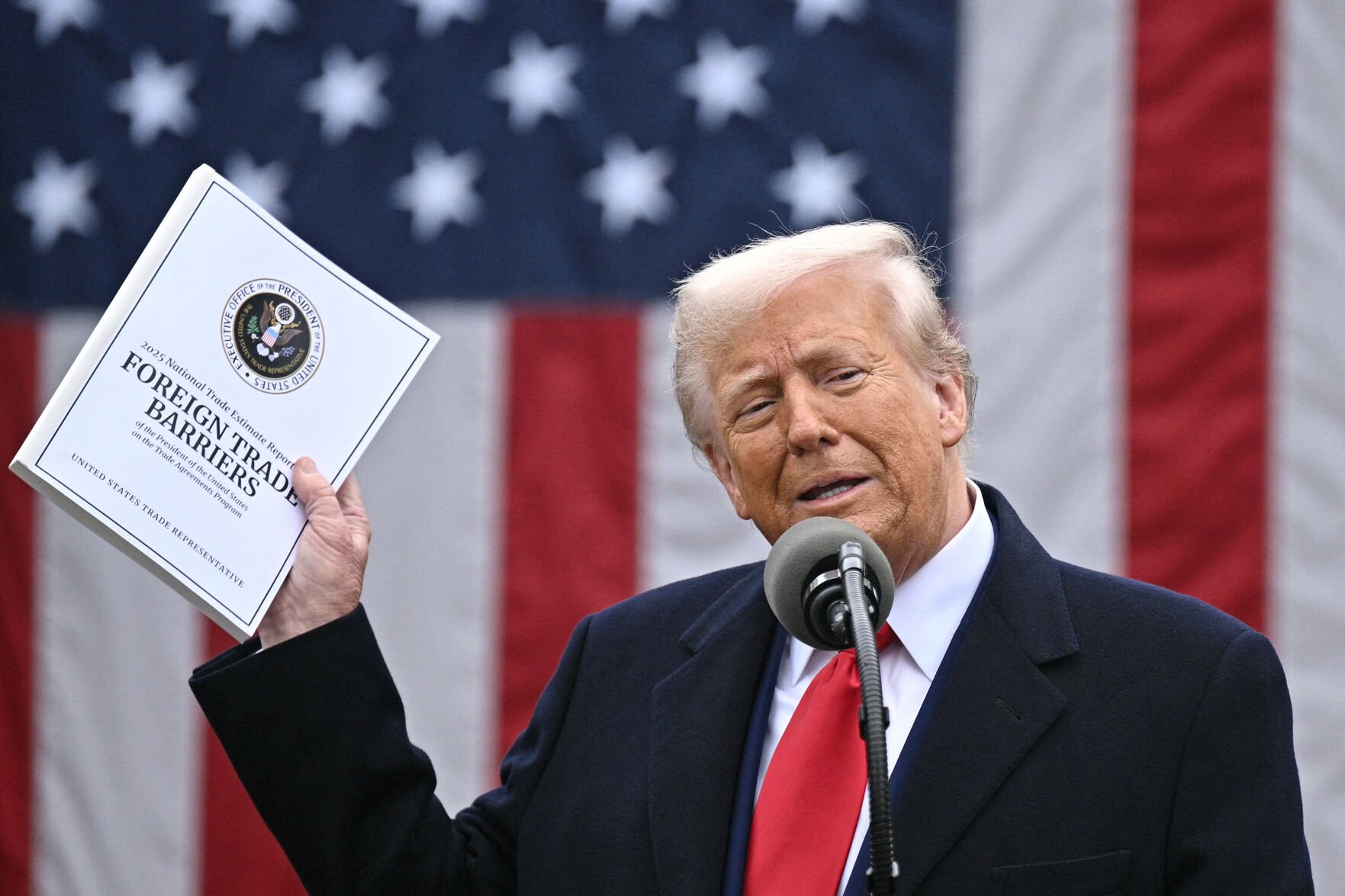
Photo by Dailygazette.com
Key Takeaways:
- The White House has proposed giving taxpayers a $2,000 dividend from tariff revenue.
- Critics argue that government borrowing is already unsustainable.
- The editorial emphasizes the risk of deepening fiscal difficulties.
- Tariffs alone may not cover ballooning deficits.
- Policymakers could be underestimating how this plan affects the broader economy.
Fiscal Strains and a New Proposal
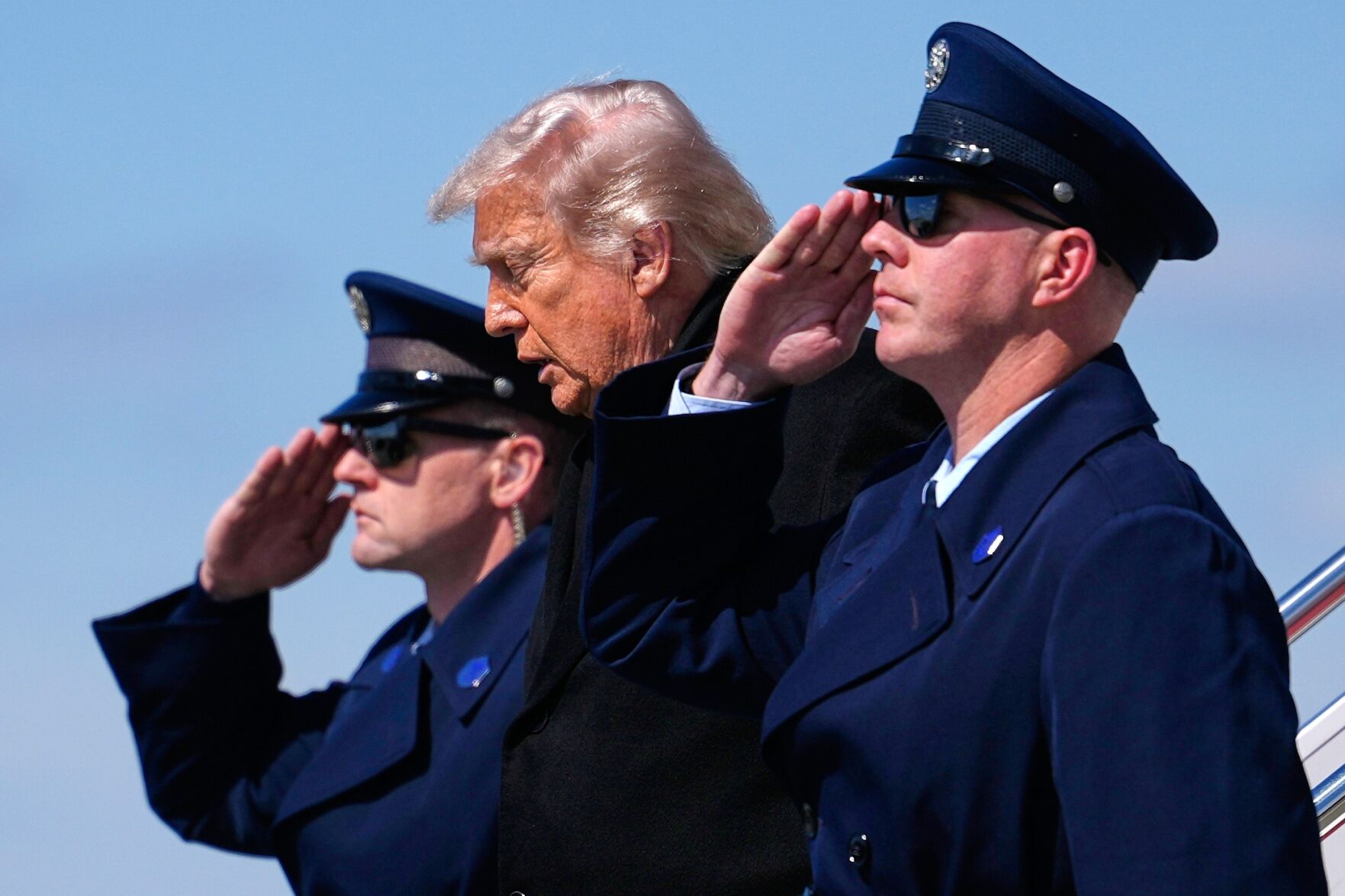
Unsustainable government borrowing has already put the economy on course for a “fiscal breakdown.” Yet Washington may be adding to those worries. According to the editorial, the latest idea from the White House involves using revenue from tariffs to fund a one-time “dividend” payment to taxpayers.
Why the $2,000 Dividend?
This proposal, dubbed a “$2,000 tariff dividend for everyone,” is meant to offer immediate relief and perhaps stimulate economic growth. However, the editorial suggests that this approach might not align with the reality of surging debt. While an extra $2,000 could help individuals in the short term, the broader impact on public finances is unclear.
Potential Pitfalls of Tariff Revenue
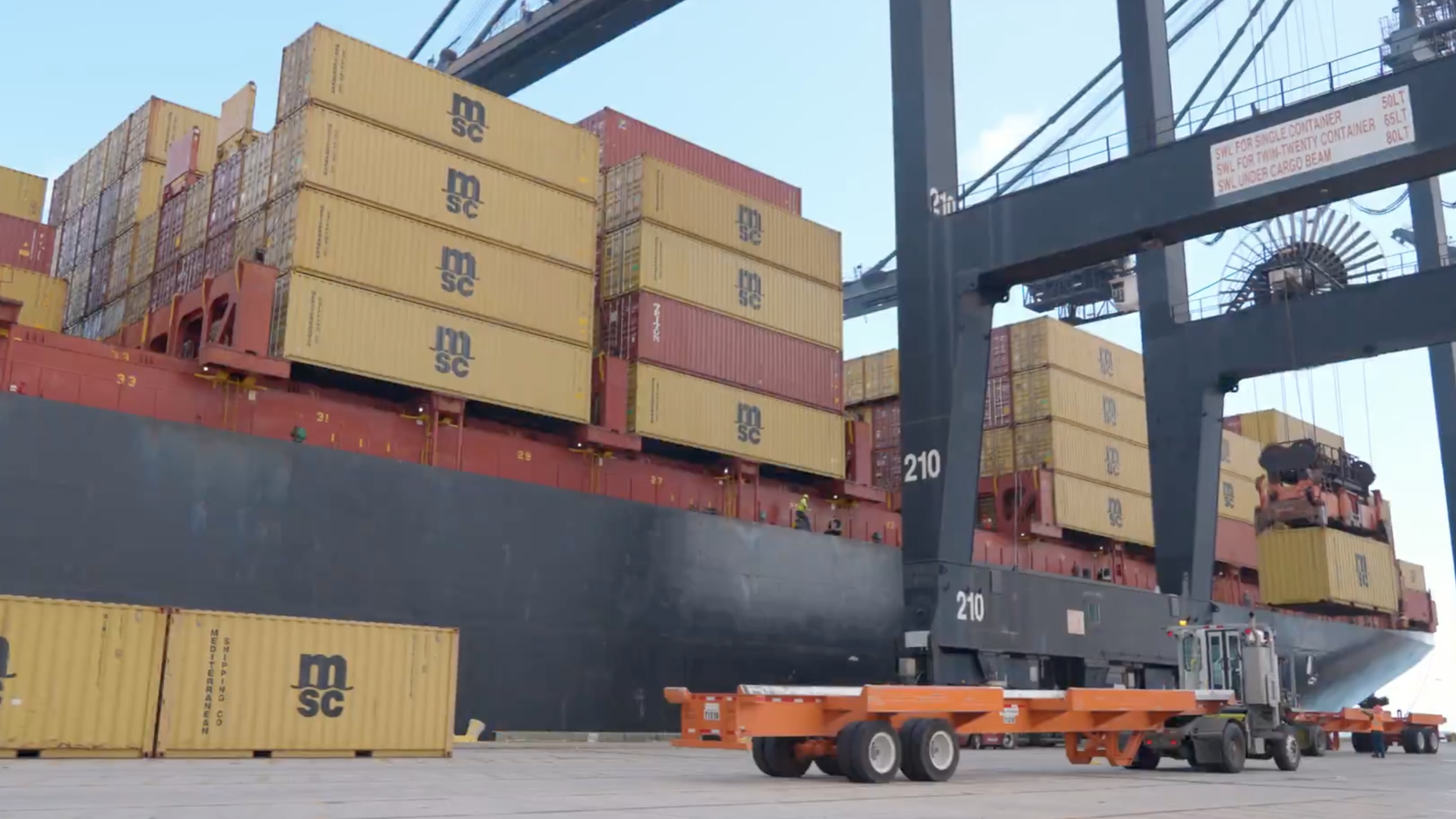
The fundamental question is whether tariffs can realistically fund such a large payout. Tariffs can sometimes impose hidden costs by raising prices on consumers and businesses, and the editorial warns that their revenue may not be enough to offset rising national debt. “Don’t discount Washington’s ability to make things worse,” it cautions, underscoring the risk that this policy could backfire.
A Cautionary Outlook
From the editorial’s vantage point, coupling ongoing borrowing with a taxpayer dividend risks compounding debt levels further. The article stresses that existing deficits have already stretched the nation’s finances. This new move, though popular in concept, could edge the economy even closer to significant trouble.
Looking Ahead
As the editorial concludes, reliance on a tariff-funded payout may sound appealing to some, but the underlying warning is clear: quick fixes rarely solve deep-seated economic problems. With growing deficits looming, the White House’s plan may only highlight how pressing it is for policymakers to address the root causes of fiscal instability—before ideas like a $2,000 dividend become another symbol of mounting debt.