For decades, a quiet accord has shaped the debate over drilling in the Gulf, with most parties tiptoeing around expanding operations. Now, calls to protect marine life by halting new drilling have grown louder, urging caution against “playing God.”
Subscribe
Analysis and Opinions
Policy Analysis
Wildlife Protection
Editorial: Don’t play God with Gulf sealife

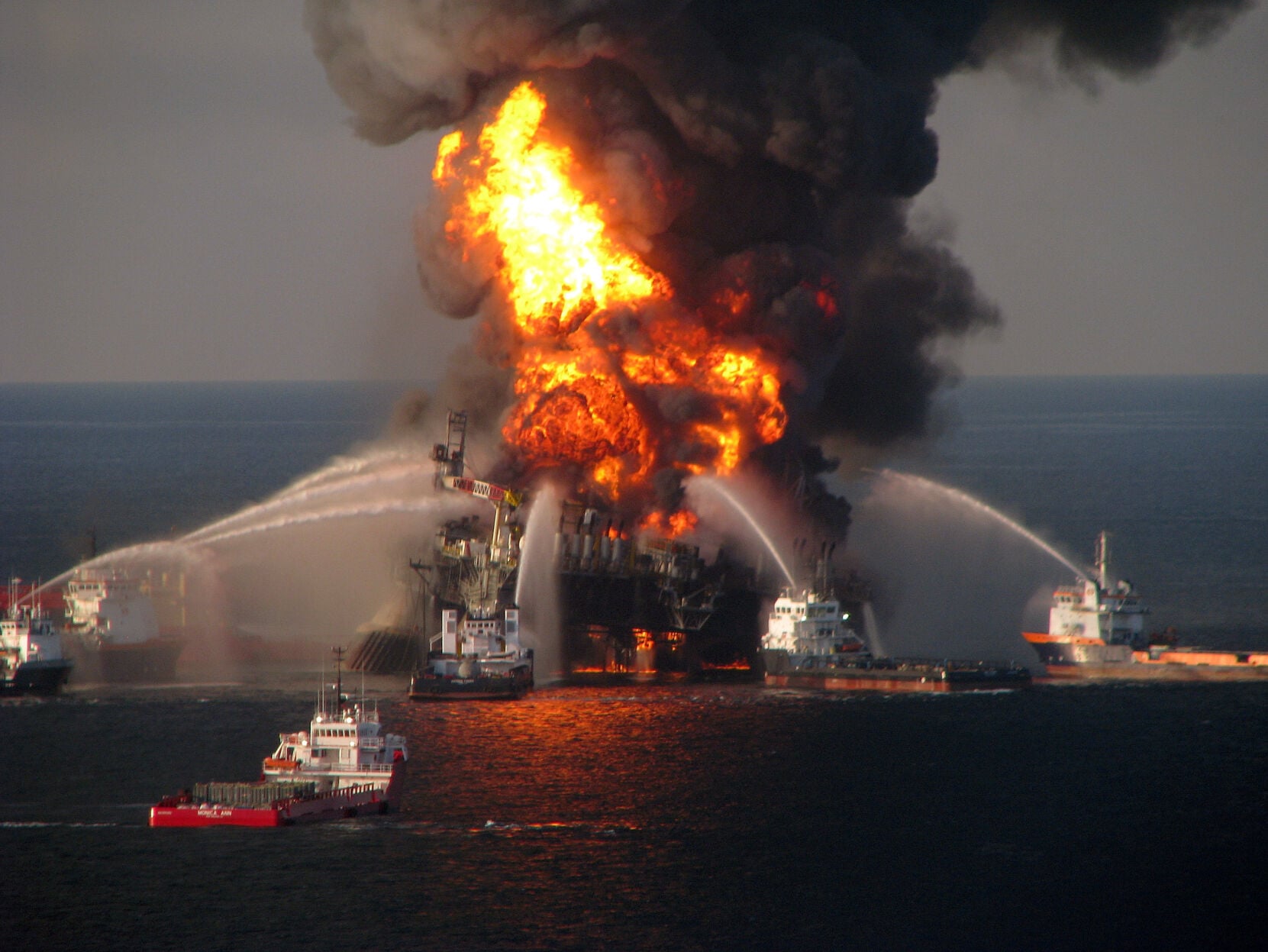
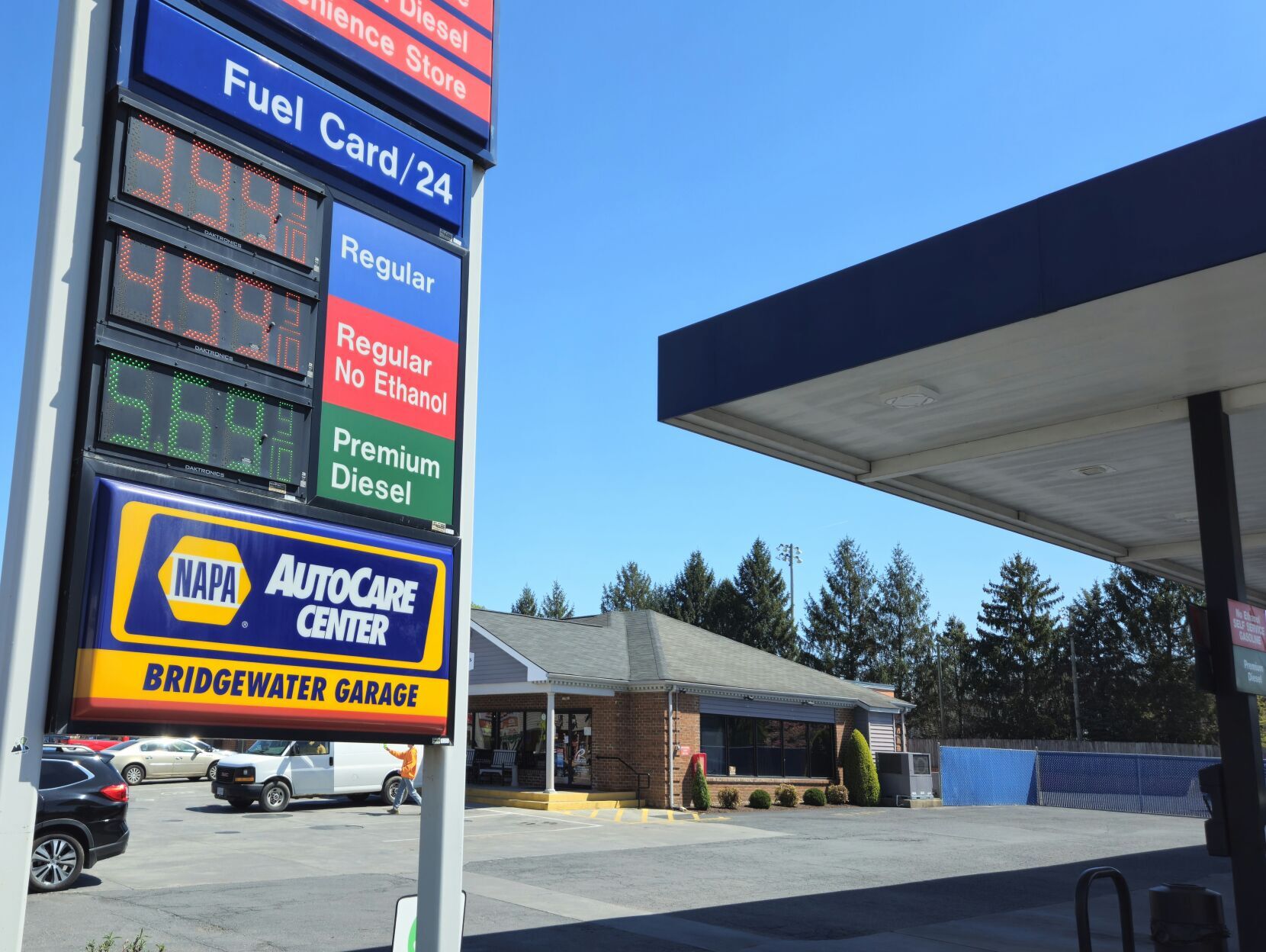
Photo by Dailygazette.com
Key Takeaways:
- The debate on Gulf oil drilling has spanned decades.
- Oil companies remain keen on exploring for new resources.
- Environmentalists are concerned that increased drilling threatens marine ecosystems.
- The editorial takes a critical stance on unchecked drilling.
- Moral considerations underscore the risks of “playing God” with sea life.
A Long-Simmering Agreement
For decades, there has been what the original editorial calls a “quasi-clandestine accord” regarding expanding oil drilling in the Gulf. Despite the longstanding nature of this issue, many have seemed hesitant to confront the environmental implications head-on.
The Oil Industry’s Drive
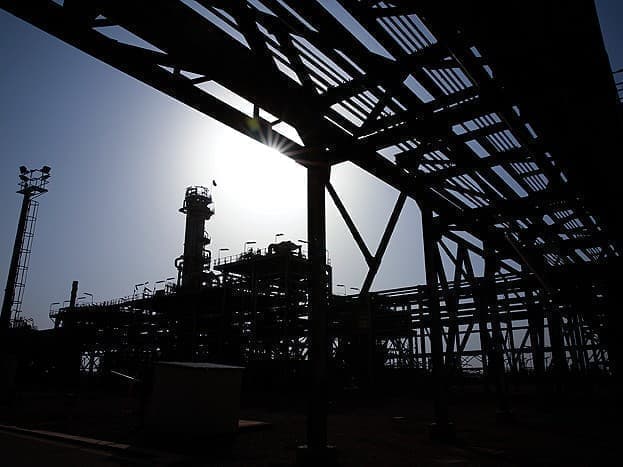
While the general public and policymakers have largely avoided the Gulf’s delicate ecosystem, oil and gas companies have shown a different attitude. They are described as “aching to root around for black gold,” eager to expand exploration into these waters.
Ecological Consequences
The editorial warns about the potential harm that expanded drilling could inflict on Gulf sealife. The worry is that more invasive activities could upset the marine balance, risking irreversible damage to habitats and species that rely on these waters.
A Call for Restraint
In urging readers not to “play God with Gulf sealife,” the editorial highlights the ethical dangers of exceeding our ecological limits. The question at the center of this caution is whether the pursuit of oil is worth the possible long-term impact on marine ecosystems—and whether humanity should exercise greater restraint when the stakes for wildlife and for future generations run so high.