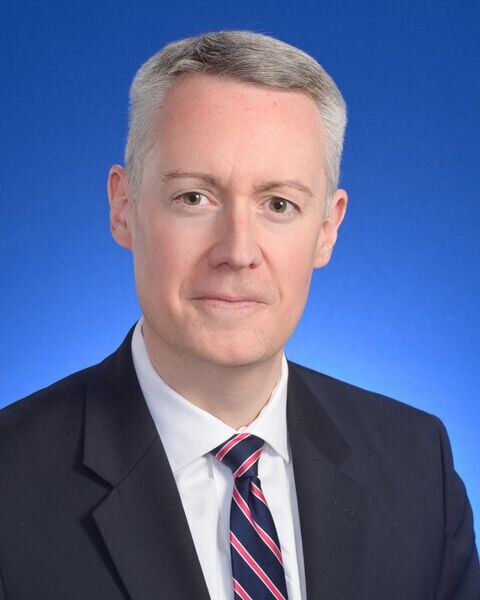
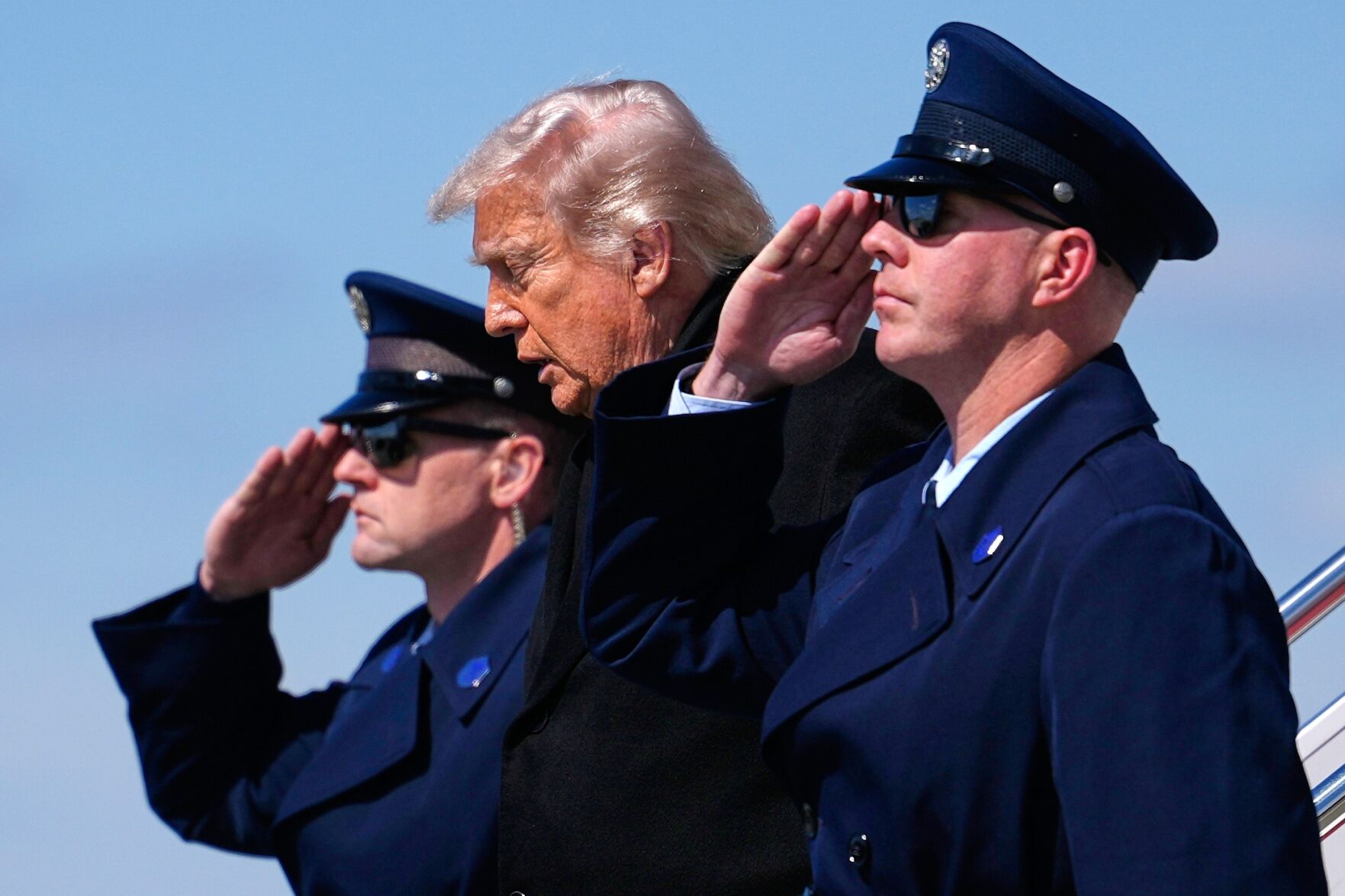
Ohio Senator Bernie Moreno critiques Lucas County Commissioner Pete Gerken for comparing ICE agents to terrorists. The dispute escalates further when the county rejects a $68,000 federal grant for the Sheriff’s Department tied to immigration enforcement.
Subscribe
Analysis and Opinions
Policy Analysis
Editorial: Moreno right, but wrong

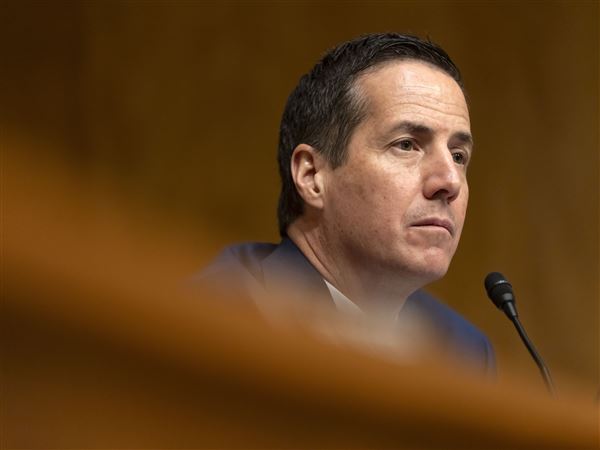
Photo by The Blade | Toledo's
Key Takeaways:
- Commissioner Pete Gerken likened ICE agents to terrorists
- Senator Bernie Moreno denounced Gerken’s comments as intemperate
- Lucas County rejected a $68,000 federal grant connected to ICE
- The editorial questions the decision to forgo this funding
- The controversy reflects broader debates over local-versus-federal approaches to immigration
Background
Ohio U.S. Senator Bernie Moreno has publicly criticized a statement made by Lucas County Commissioner Pete Gerken, who recently likened Immigration and Customs Enforcement (ICE) agents to terrorists. This comparison sparked vocal condemnation, with Moreno calling it an “intemperate remark.” The editorial at the center of this dispute highlights growing tensions over immigration enforcement at the local level.
The Critique
In addressing Gerken’s stance, Senator Moreno insists that comparing federal agents to terrorists is both inflammatory and misguided. While acknowledging that immigration enforcement challenges are complex, Moreno argues that respectful and constructive dialogue should guide any debate on policy. He rejects language that may unnecessarily stoke divisions or undermine the seriousness of national security issues.
The Funding Dispute
An additional layer to the conflict involves a $68,000 federal grant offered to the Lucas County Sheriff’s Department. This funding was tied to efforts assisting ICE with immigration-related responsibilities. The county chose to turn down the grant, a move the editorial describes as unwise and potentially harmful to local law enforcement capabilities. Critics stress that this decision forfeits resources that could have aided public safety.
Broader Implications
Beyond the immediate dispute, the rejected grant underscores the broader tension between federal immigration policy and local governance. Communities across the nation grapple with questions about how to balance security, community relations, and budgetary priorities when interacting with federal immigration agencies. Moreno’s criticisms speak to the need for open dialogue aimed at achieving pragmatic solutions without resorting to polarizing language.
Closing Thoughts
The editorial concludes that while Senator Moreno is justified in calling out the harsh comparison of ICE agents to terrorists, the issue remains deeply complex. Local leaders must weigh the benefits of federal support against community concerns. Ultimately, this controversy highlights the ongoing conversation on immigration policy—one where tone, funding decisions, and collaboration all play pivotal roles in shaping public discourse.