Media figures across television, newspapers, and entertainment have shared grim views on the nation’s 250th anniversary. Their harsh critiques of racial inequality, Trump-era policies, and the meaning of patriotism highlight deep fissures over how to mark this major milestone.
Subscribe
Analysis and Opinions
Political Movements
Elitist Media Reveal Their True Feelings About America’s 250th Birthday: What’s There to Celebrate?

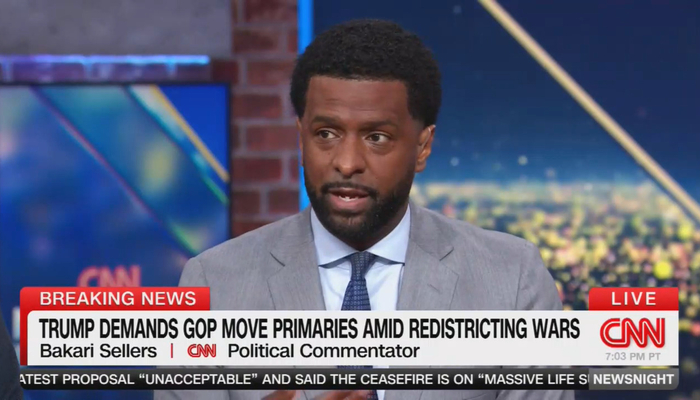
Photo by Newsbusters
Key Takeaways:
- Many commentators question whether there is real cause to celebrate America’s 250th birthday.
- Calls for “de-MAGAfication” evoke memories of post-World War II de-Nazification.
- High-profile media hosts express unease, citing unresolved issues of race and democracy.
- Criticism extends to White House celebrations, with some comparing UFC fights to past injustices.
- Divisions reflect broader debates around patriotism, national identity, and progress.
A Nation Divided Over Its 250th
Amid fireworks and fanfare in the run-up to America’s quarter-millennium, a growing chorus of voices refuses to hail this moment as an unequivocal triumph. CNN commentator Bakari Sellers offered a stark comparison, saying, “If somebody fell asleep in 1896 and woke up today in 2026, they would simply say the only difference is now negroes have a TV show, and we wear nice suits.”
Historical Comparisons & Racial Struggles
Sellers’s remarks represent one of the most jarring critiques, suggesting that the country’s racial progress is far less substantive than its national narrative implies. This sentiment resonates with Princeton Professor Eddie Glaude, who argues that certain groups “don’t view us as full citizens…there are folks who believe…this country must be and must remain a white republic.”
Calls for ‘De-MAGAfication’
New York Times columnist Paul Krugman likened the need to curb Trump’s influence to World War II’s de-Nazification efforts. “We need a de-fang Trump…We need a de-MAGAfication.” His admonition underscores a broader dissatisfaction among critics who see the current political landscape as a threat to American ideals.
Deep Unease About Celebration
On MS NOW, host Ali Velshi expressed his own ambivalence about marking the nation’s founding. “I feel a deep unease about these celebrations…because this 250th anniversary is taking place during yet another period of deep and fundamental and existential unrest in this country.” Velshi’s concerns echo those of The New Yorker, which recently posed the question: “How Problematic Is Patriotism?”
White House Events Under Scrutiny
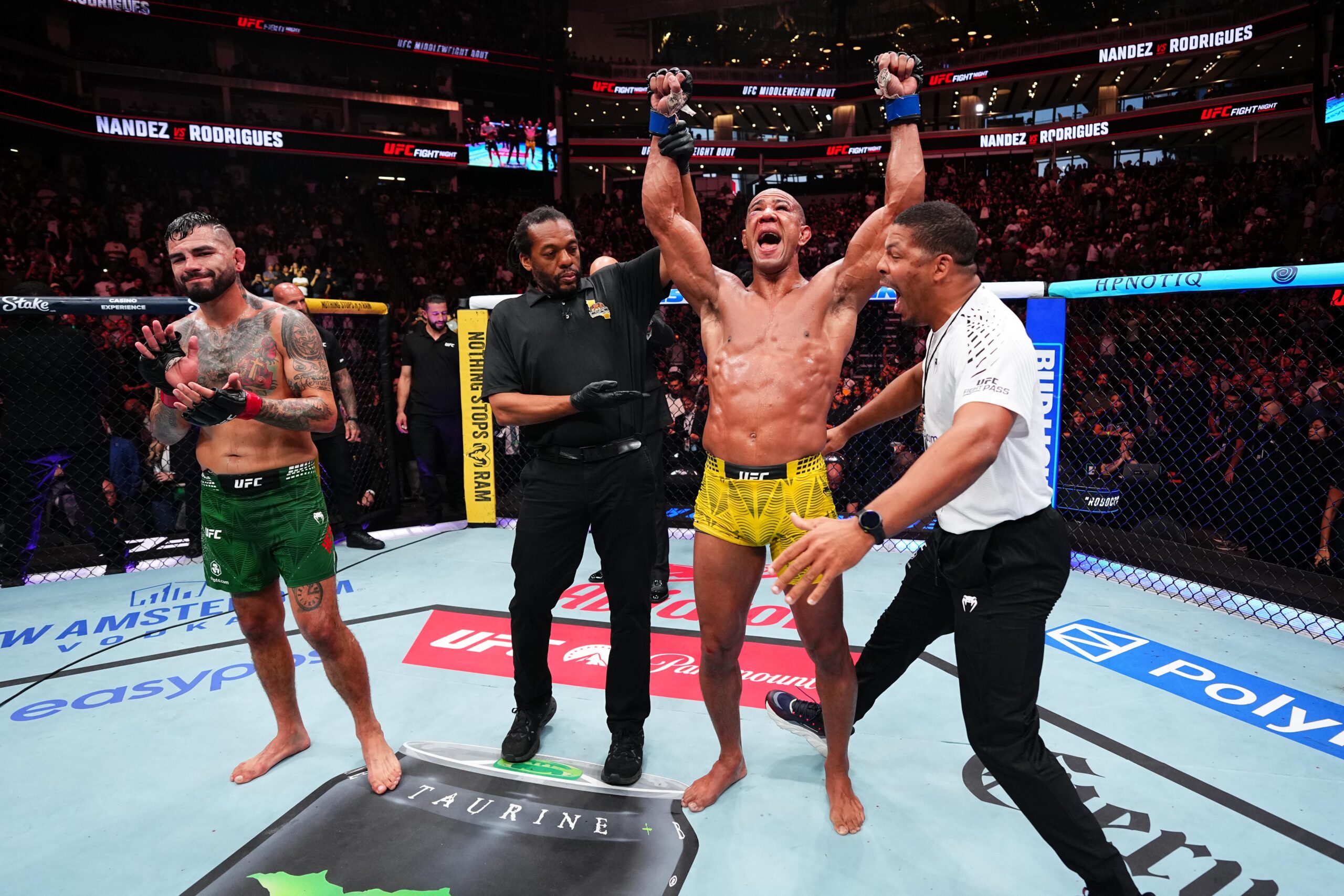
Others direct their criticism specifically at President Trump’s celebratory plans, including hosting UFC fights at the White House. Reverend Al Sharpton likened this to “fights for the slave masters,” while MSNBC’s Lawrence O’Donnell condemned the spectacle as a “temple of violence” in the formerly tranquil Rose Garden.
Immigration, Enforcement, and ‘Internment Camps’
Controversial tactics surrounding immigration enforcement added fuel to the fiery discourse. Joe Scarborough accused the Trump administration of deploying ICE officers who “abused that power” by detaining children. He even referred to their holding facilities as “internment camps,” asserting that detainees were treated “much worse than the Japanese” in WWII internment camps.
Media Skepticism and Public Outcry
Talk show hosts and columnists, from ABC’s The View to Comedy Central’s The Daily Show alumni, took part in criticizing either the administration’s policies or the broader concept of unwavering national pride. Joy Behar deemed Trump’s proposed expansions of American family programs as a scheme to create “toddler white nationalists,” while her co-host Sunny Hostin suggested forming “a rebellion” to resist the current political climate.
Questioning the Meaning of Patriotism
Finally, many in the media question whether patriotism is worth championing at all. The New Yorker’s article, “How Problematic Is Patriotism?” reflects the uncertainty that echoes in each of these viewpoints—whether the spirit of 1776 can or should be celebrated amid divisive politics and claims of racial injustice.
In this 250th year, critics from across the political spectrum and multiple media outlets have demonstrated that national celebrations are far from universally honored. As the United States commemorates two and a half centuries, it does so under the shadow of intense debate around civil liberties, identity, and the boundaries of patriotic expression.