Exiled Crown Prince Reza Pahlavi has proposed a new vision for a democratic Iran, including an end to nuclear ambitions, a crackdown on drug trafficking, and official recognition of Israel. Experts say the English-language proposals are likely aimed at garnering U.S. attention, underscoring the prince’s quest to reshape Iran’s global image.
Subscribe
International Politics
Middle East
Political Movements
Exiled crown prince’s plan for Iran is mostly aimed at Trump, experts say

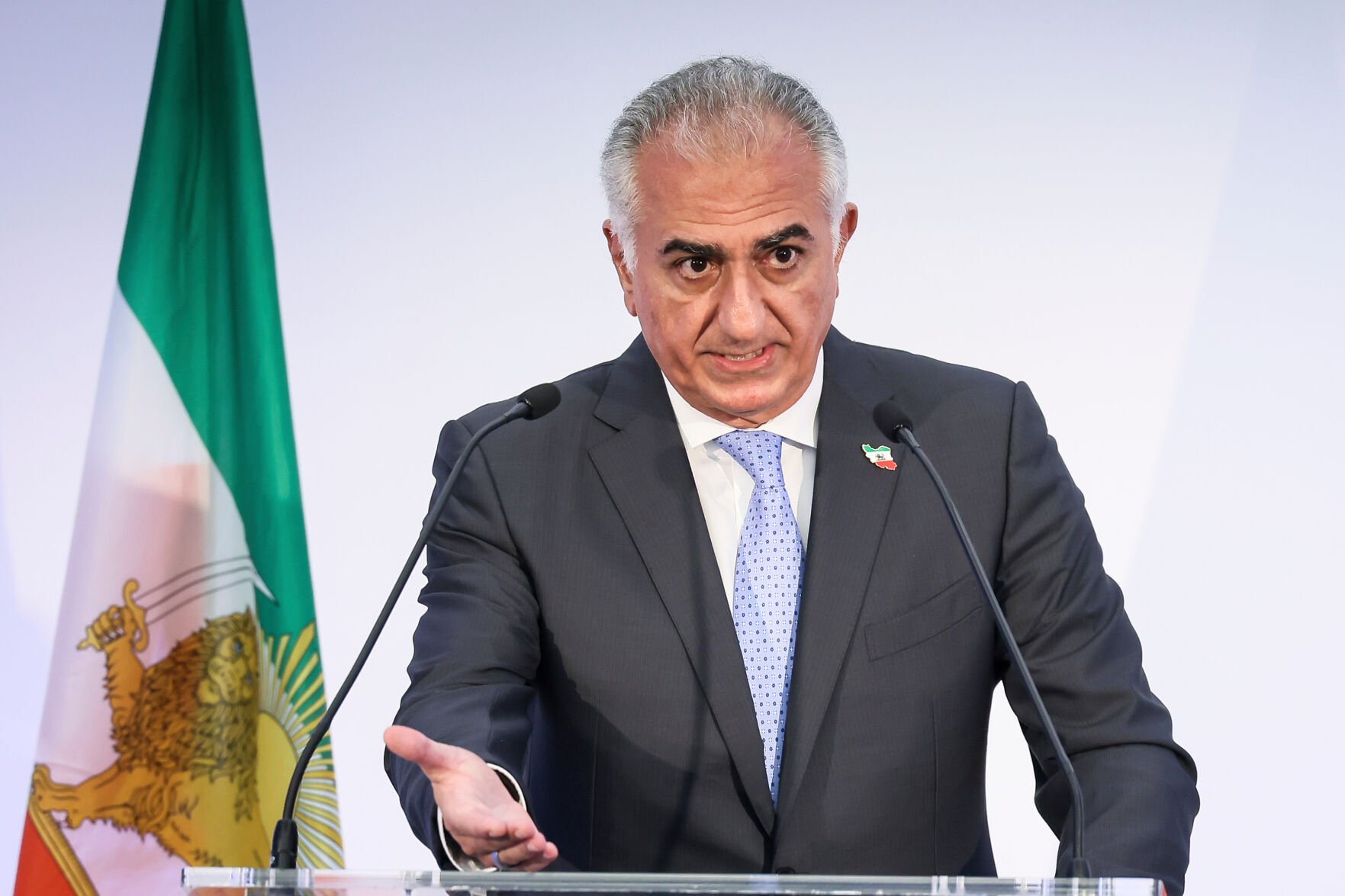
Photo by Yoursun.com
Key Takeaways:
- Exiled Crown Prince Reza Pahlavi has unveiled a plan for a democratic Iran.
- The proposal includes ceasing Iran’s pursuit of nuclear weapons.
- Confronting drug trafficking is a key priority in his vision.
- Recognizing Israel marks a significant departure from current Iranian policy.
- Experts believe these proposals aim to engage the attention of former President Trump’s administration.
Crown Prince’s Vision
Exiled Crown Prince Reza Pahlavi has outlined his plan for a democratic Iran on social media. His proposal aims to overhaul key aspects of the Islamic Republic’s current policies, which he hopes will lead to greater international acceptance and domestic reforms. By emphasizing a democratic future, Pahlavi positions himself as an alternative voice for Iranians seeking different leadership.
Key Reform Initiatives
Central to Pahlavi’s vision is abandoning Iran’s pursuit of nuclear weapons, a policy he suggests would ease tensions with global powers. Another critical plank calls for confronting drug trafficking, a problem he believes has had detrimental social and economic repercussions for Iranians. Perhaps most striking is his commitment to recognize Israel, a radical shift from the official stance of Iran’s existing regime.
A Message Aimed at Washington
Experts have been quick to highlight that the crown prince’s proposals were made in English. Many interpret that choice as an attempt to catch the attention of the United States, especially under the foreign policy approach of former President Donald Trump. While some observers question whether these ideas will gain traction among Iranians back home, others note that Pahlavi’s emphasis on mutual respect and demilitarization could spark fresh conversations about Iran’s place on the world stage.
Prospects and Reactions
Though it remains unclear how much influence Pahlavi’s plan will have within Iran, global observers are closely following this development. Any credible movement toward halting nuclear aspirations, confronting illegal narcotics networks, and recognizing Israel carries potential implications for regional security. For now, the exiled prince’s roadmap is seen by supporters as a bid to reshape Iran’s future and by skeptics as a calculated gesture intended for Western policymakers—one that nonetheless underscores a growing call for change in Iranian politics.