Brookfield’s plan to sell several Kennebec River dams to The Nature Conservancy has spurred objections from Sappi and local leaders. They argue these early steps could have major repercussions for business and community interests along Maine’s iconic river.
Subscribe
Breaking News
Environmental Laws
Green Energy Solutions
First steps in sale of Kennebec River dams draw pushback

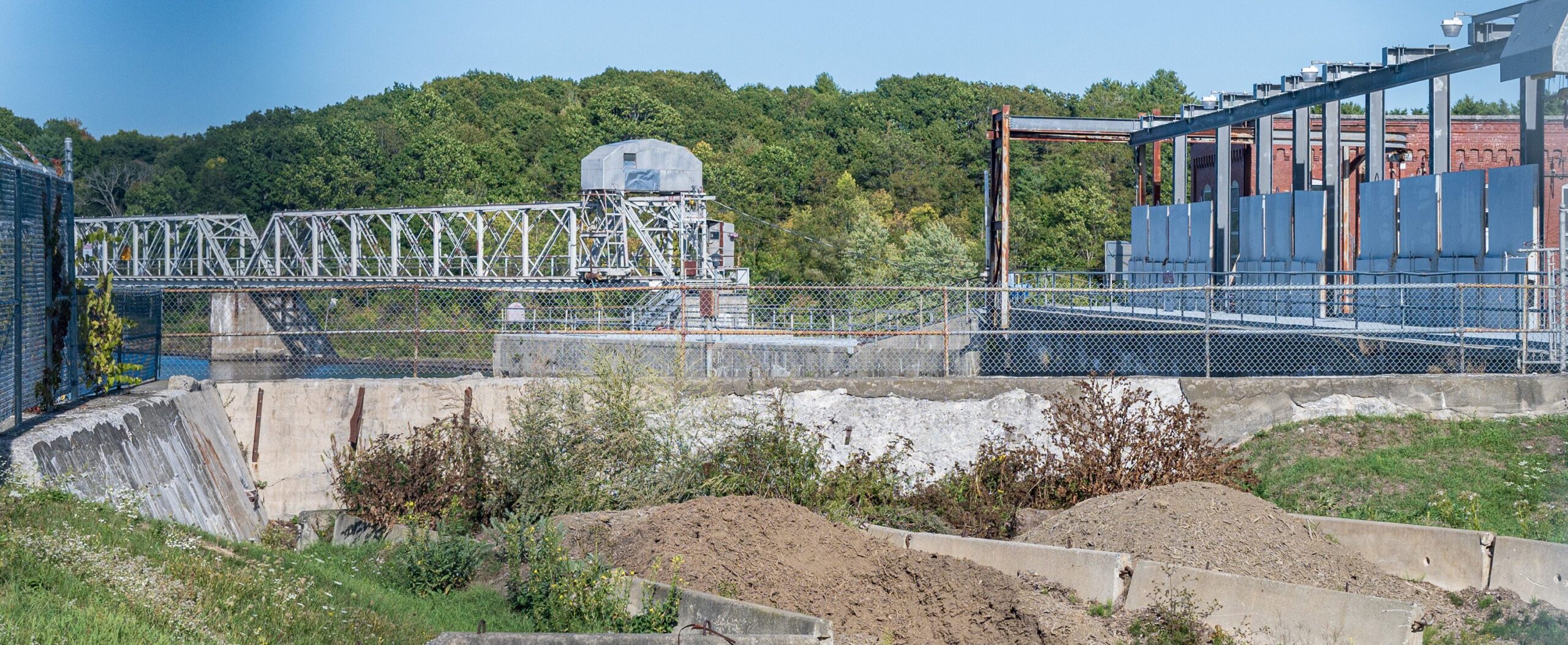
Photo by Central Maine News
Key Takeaways:
- Brookfield has initiated regulatory steps to sell Kennebec River dams.
- Sappi opposes the deal, citing concerns over impact.
- Elected officials and local business groups also object.
- The Nature Conservancy is slated as the buyer.
- The dispute raises questions about economic and environmental priorities.
Brookfield Moves to Sell Kennebec River Dams
Brookfield’s plan to divest several dams along Maine’s Kennebec River has entered its initial regulatory stage. According to details made public, the prospective buyer is The Nature Conservancy, a leading global conservation organization.
Stakeholder Opposition
Sappi, a notable industrial player in the region, has voiced strong objections. Company representatives have joined with local business coalitions and several elected officials in criticizing Brookfield’s move. They contend that the sale’s impact on businesses and the local economy could be substantial, raising questions about future operations along the river.
Concerns from Local Officials and Communities
Though formal details remain limited, local leaders worry that the process may overlook critical community input. They argue that the Kennebec River is integral to both local livelihoods and broader environmental considerations. As such, these leaders emphasize the importance of balancing economic stability with ecological responsibility in determining the dams’ future.
Potential Transfer to The Nature Conservancy
The Nature Conservancy, known for preserving ecological habitats, is the intended recipient of the dams. The organization’s track record in conservation has sparked debate among Maine residents and companies alike, who wonder how the transfer might alter existing energy use and regional development. While some welcome a conservation-focused approach, critics are wary of changes that might affect local industry.
Looking Ahead
As the initial regulatory preparations unfold, pushback is expected to continue. Sappi and other dissenting voices will likely engage in a broader conversation about the dams’ role in Maine’s economy, environment, and local welfare. With the deal still in its early phases, the fate of the Kennebec River dams remains uncertain.