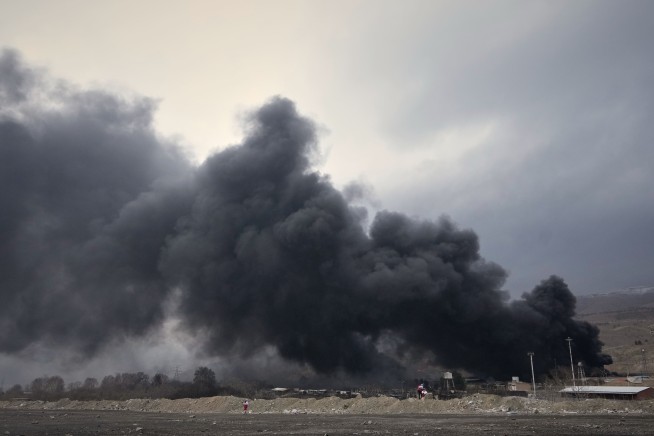
FirstEnergy is asking regulators for longer turnaround times on power outages, citing severe weather linked to climate change. While its argument may hold some weight, critics demand strict monitoring and public reporting to prevent complacency and protect customers.
Subscribe
Analysis and Opinions
Global Warming Effects
Policy Analysis
FirstEnergy’s sorry infrastructure record notwithstanding, it has a point about more severe weather: editorial

Key Takeaways:
- FirstEnergy’s track record raises skepticism about its request
- Climate change intensifies storms, potentially justifying longer restoration times
- The Public Utilities Commission of Ohio once favored FirstEnergy but now faces scrutiny
- Editorial calls for strict monitoring and public reporting if more time is granted
- Accountability remains crucial to ensure customers’ needs are met
Background and Context
FirstEnergy, an Akron-based power company, has come under renewed scrutiny after asking the Public Utilities Commission of Ohio (PUCO) for more flexibility in restoring power following outages. Its request arises from increasingly severe storms—a phenomenon many attribute to climate change—and the company contends these harsher conditions justify expanded repair timelines.
The Climate Factor
Citing more intense weather patterns, FirstEnergy believes it may need additional hours or days to fully address outage events. According to the editorial board of The Plain Dealer and cleveland.com, climate-change factors suggest the company “may – may – be able to make a strong case” for this extension. Yet, the context of FirstEnergy’s past troubles complicates the request, with skeptics pointing to its “sorry infrastructure record.”
Regulatory Oversight
Crucial to the debate is the PUCO, the state body that previously “once bent over backwards to placate” FirstEnergy. In light of that history, some observers worry that the commission could grant the extended timelines without fully weighing customer impacts. The editorial strongly recommends “strict monitoring – and periodic public reporting – of the frequency of the companies’ outages, and their specific (not average) lengths” if any extra time is allowed.
The Public’s Stake
Why does detailed reporting matter? FirstEnergy customers stand to endure longer electricity gaps if the utility’s request is approved. Critics argue that publicly disclosing not just average but specific outage times can help communities track the company’s response and regain confidence in FirstEnergy’s ability to prioritize reliable service.
Conclusion and Prospects
At the heart of FirstEnergy’s request lies a broader question: how to balance the realities of increasingly destructive storms with the need to hold utilities accountable. As Ohio regulators weigh the merits of this appeal, the editorial from The Plain Dealer and cleveland.com emphasizes the importance of transparency. Regardless of the outcome, any green light should be accompanied by measured reporting, careful oversight, and a commitment to ensuring customers receive timely, reliable power—even in the face of more frequent severe weather.